14 key takeaways from John Lee’s policy address, Hong Kong’s first 5-year plan
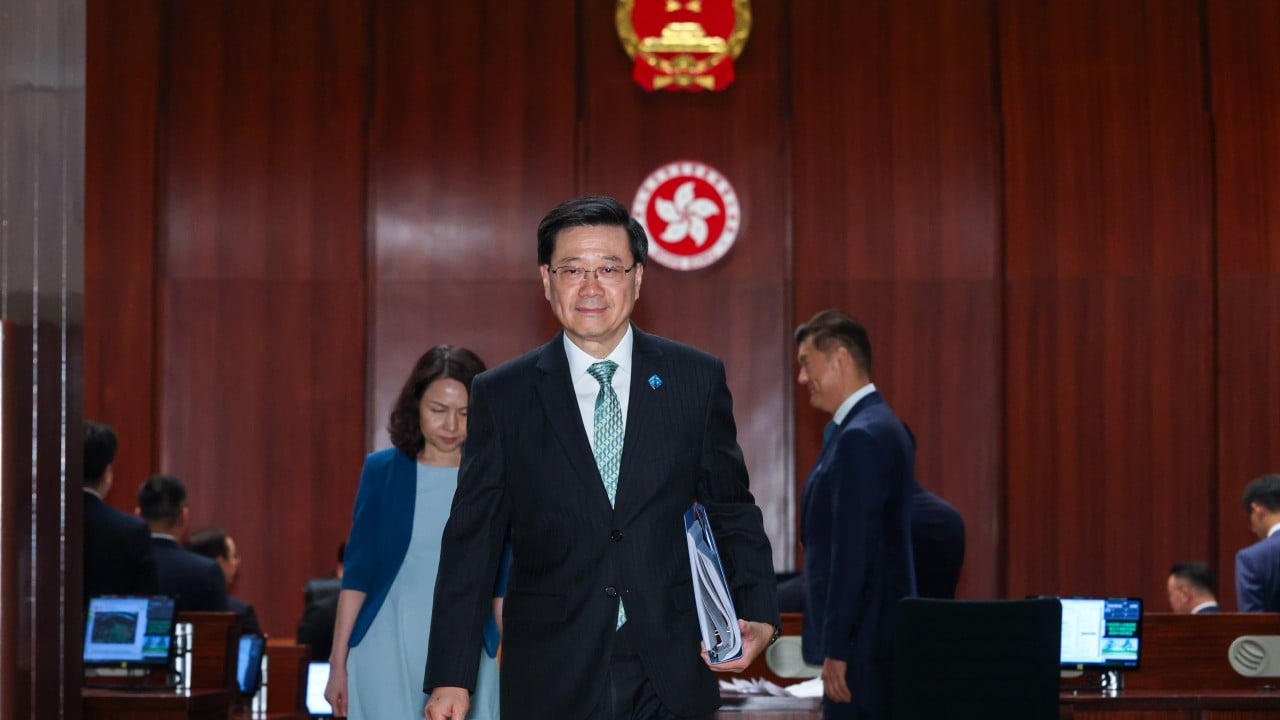
Hong Kong Chief Executive John Lee Ka-chiu has placed deepening integration with mainland China and developing new economic engines centre stage as he unveiled the city’s first-ever five-year plan alongside the last policy address of his term.
During his landmark speech on Wednesday, which ran just one minute shy of three hours, Lee laid out how the city’s first five-year plan would align the city more closely with the national development blueprint, while the policy address would serve as the “action agenda”.
The South China Morning Post looks at some takeaways from the policy blueprint, including how authorities will build the Northern Metropolis megaproject while also tackling some of the city’s most pressing issues, including low birth rate and artificial intelligence.
1. Twenty-two major indicators
The five-year plan has set 22 major indicators, with 17 being anticipatory goals and five being binding targets.
Four of the five binding targets focus on environmental protection, such as reducing carbon emissions per unit of GDP, as well as raising the number of “spade-ready sites” in the Northern Metropolis by 2030.
KioskNews shows a cleaned-up reading view extracted from the publisher’s page — the original always lives on their site, not ours.