Indian Pilot Had Another Career In Mind, Then He Emerged A Cockpit Hero
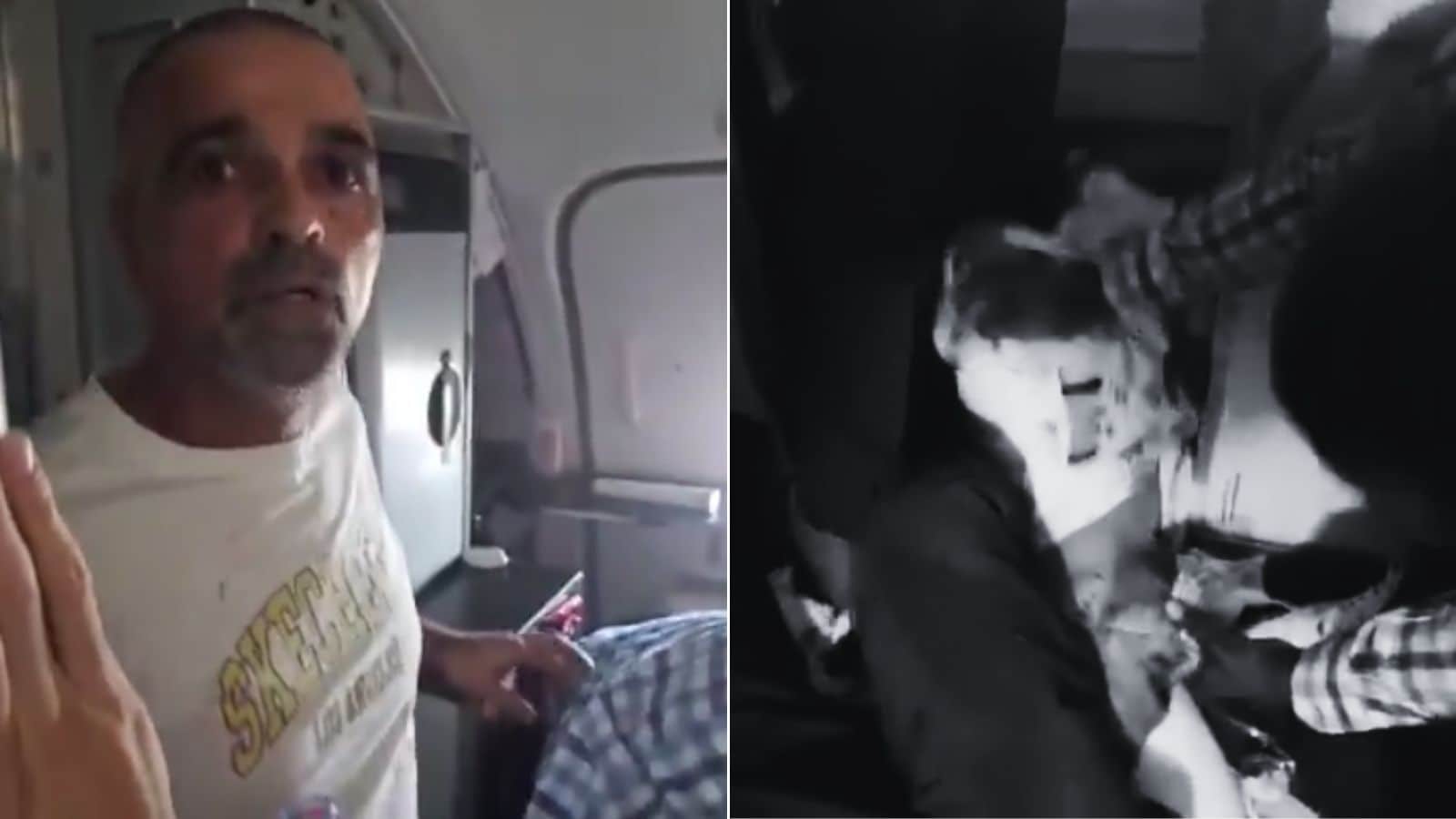
"You saved the plane, you did well." That is what passengers told a bloodied pilot on a flydubai flight from Dubai to Tel Aviv on Wednesday, as he struggled to speak, according to visuals from the aircraft.
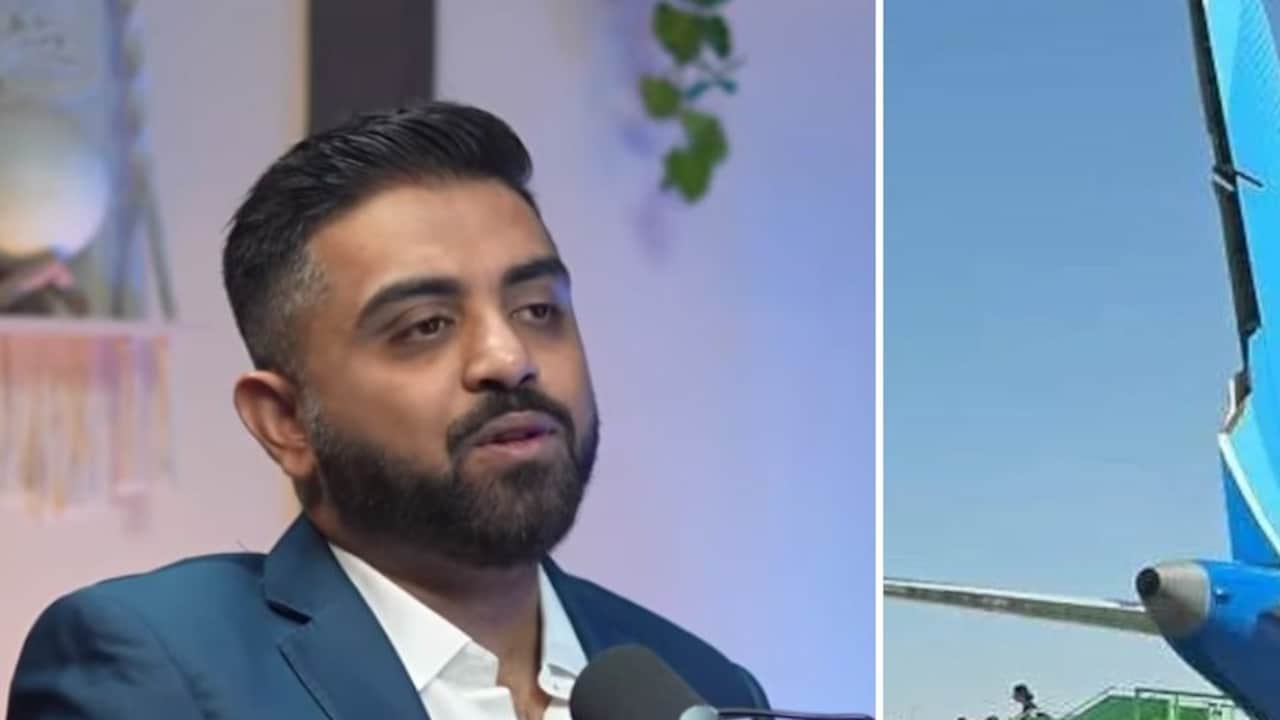
According to sources, he is Captain Smit Machchhar, an Indian pilot who fought off a co-pilot who allegedly tried to sabotage the plane's systems. They say his actions may have saved as many as 180 passengers on the Dubai to Tel Aviv flight. He was stabbed during the clash.
The Pilot Who Never Planned To Fly
Captain Machchhar spoke about his path on the podcast Bonafide Banter with Zalak Mata. "First of all, unlike a lot of other aviators right now, aviation was not like a childhood dream," he said.
After school, he joined a textile engineering course linked to his family's business. He then chose a management course, and it was at an aviation seminar during that course that he found what he wanted to do. He was 19.
His mother was scared, he said, while his father took it calmly. "Just figure out how and where you can do it," his father told him. He trained in New Zealand and said his fees were close to Rs 16 lakh to Rs 17 lakh, compared with upwards of Rs 80 lakh now.
Read: Dentist, Off-Roster Pilots, Bravery: What Saved 180 Aboard flydubai Plane
According to his LinkedIn profile, he went on to build more than 13 years of commercial flying experience on the Boeing 737 fleet, with over 9,750 flying hours. He joined SpiceJet in 2011 and held several roles there, including line training captain and senior commander. In June 2022, he left to join flydubai as a direct entry captain. He has been with the Emirati government-owned low-cost carrier for four years.
Captain Machchhar said his airline was the first to bring the Boeing 737 MAX to India, and he was trained on it in the first batch. He also spoke about how he and his family felt after the two MAX crashes. In his words, the Indian aviation regulator DGCA and the airline were "extremely quick to ground the aircrafts".
Speaking of flight delays, Macchar said, "The first time it happened to me, I was a first officer with about 1,000 hours of flying experience. I was flying with a young captain who had great authority. The passengers were getting uncontrollable, and four female crew members were being overpowered by people constantly demanding to know when we were going. The captain asked me, "Smith, option: keep the cockpit door shut and keep sipping coffee until we have something to tell them, or we open the door, walk to the centre of the cabin, and speak to them."
Read: flydubai Flight Dropped 14,300 Feet In 37 Seconds, Nearly Went Supersonic, Data Shows
"When I became a captain, my style was to keep talking to passengers over the PA system to keep them engaged. Even if it's another half-hour delay, hearing it directly from the cockpit makes a difference," he added.
Calm Under Pressure
Captain Machchhar had spoken about life in the cockpit in a video podcast almost a year before the incident, describing how pilots stay calm and focused.
He said a pilot's main job is to monitor. He said he avoids deep discussions in the cockpit because they can distract, and that pilots have a "switch-on" mode for critical moments. "When we don't talk, that doesn't mean we are scared," he said, recalling a flight through severe turbulence in a thunderstorm.
"We try not to get into like deep discussions, because what happens is when you're getting into a deep discussion you can get distracted," he said.
Baby Born On One Of His Flights
When asked if he has ever been in a situation where he had to make an emergency landing, Captain Machchhar said, "Touchwood, no emergency landings. But I've had medical emergencies."
He recalled a flight on which a pregnant passenger went into premature labour. The crew called the cockpit, and he treated it as a diversion, checking the nearest airfields, weather and weight limits. A baby was born on board.
He said he felt he had "zero margin for error", but he would not rush the approach, because a missed approach could take 15 to 20 minutes more. "It was methodical. It was quick. It was as quick as it should have been," he said.
"We coordinated with paramedics on the ground and got the nearest parking stand to avoid delay. Both survived, which was a huge relief. God forbid if something happens to the kid again. It's not on me. No, but you know that guilt stays with you forever," he added.
Read: 'Pilot Stabbed': What Happened Inside flydubai Flight Before 'Hijack' Signal
On long flights, he explained, pilots can take controlled rest under company rules. "Let's not call it sleep, but it's controlled rest," he said.
Speaking about aviation news in general, Captain Machchhar said he believes coverage is often exaggerated. "Not saying that things are not happening, but more often than not, it's blown out of proportion," he said. The podcast was recorded almost a year before the flydubai incident.
Inside The Cockpit Fight On FZ1073
Flight FZ1073 was heading from Dubai International Airport to Ben Gurion International Airport when a fight broke out on the flight deck, according to flydubai. Israeli Prime Minister Benjamin Netanyahu said in a video statement that a pilot tried to sabotage the plane's system.
"During the flight, as the aircraft was approaching Israel, one of the pilots stabbed the other pilot and attempted to crash the plane with everyone on board," he said. He added that a crew member and a passenger broke into the cockpit and "subdued" the suspect.
The aircraft dropped more than 17,400 feet in two minutes during the struggle, but Netanyahu said a crew member entered the cockpit and stabilised it. "I salute these heroes, who demonstrated extraordinary resourcefulness and courage. They saved many lives and prevented a major disaster," he said.
All passengers are safe, and the suspect has been arrested and is being questioned by the Saudi authorities.
KioskNews shows a cleaned-up reading view extracted from the publisher’s page — the original always lives on their site, not ours.