UK households issued ‘do not eat’ warning after Salmonella found in imported eggs
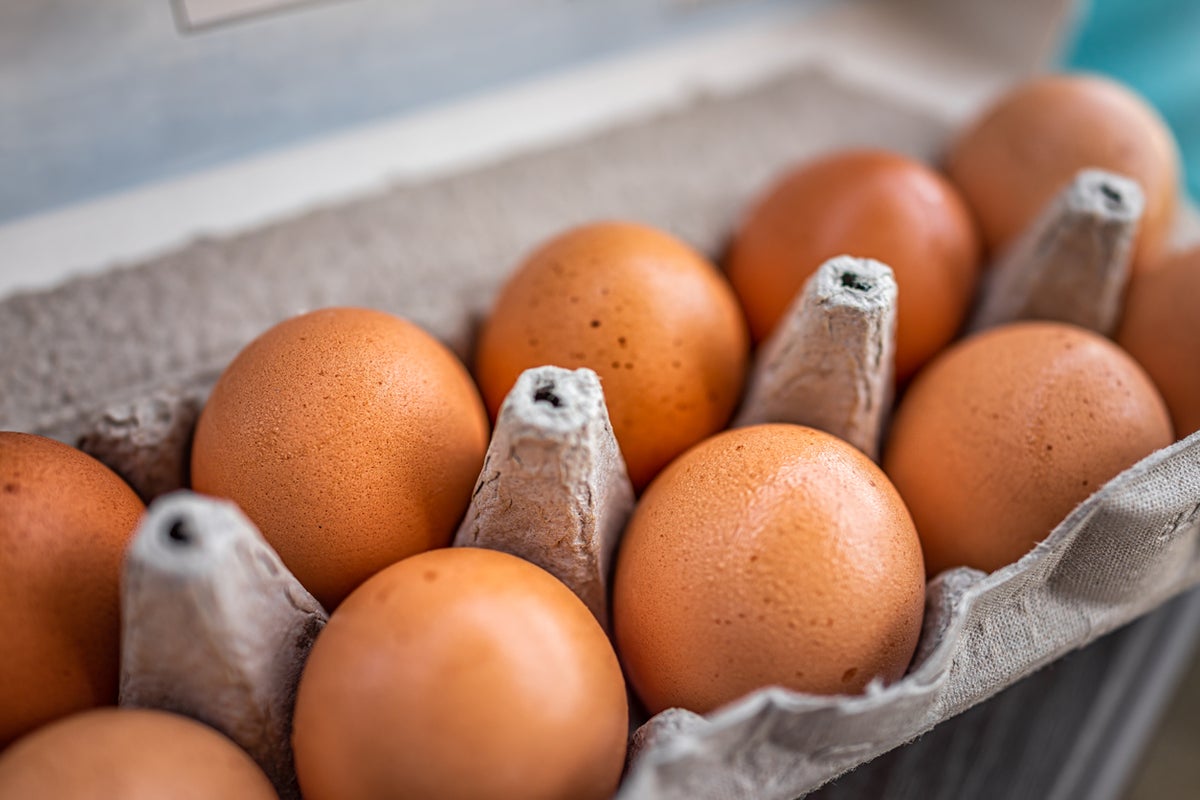
A "do not eat" warning has been issued to consumers and businesses after Salmonella was identified in certain eggs imported from Ukraine.
Food Standards Scotland (FSS) and the Food Standards Agency (FSA) said the eggs originate from Yasensvit Ltd, Kyiv, Ukraine, and are stamped with the code 3UA1012066, which is printed directly onto the shell.
The eggs may have been supplied to catering businesses or sold through smaller retail outlets.
The eggs may have been repacked by UK businesses and sold under different business names or packing centre details on the outer packaging, making the egg stamp code the most reliable way to identify affected products, FSS said.
“The FSA’s advice is that if people have bought any of the affected products, do not eat them and instead, dispose of them at home, as they may be unsafe,” it said.
What are the symptoms of salmonella?
NHS
Symptoms of food poisoning include:
- feeling sick or being sick
- diarrhoea
- tummy pain
- a high temperature
- feeling generally unwell
The symptoms usually start within a few hours or a few days of eating food that caused the infection.
The UK Health Security Agency (UKHSA) detected Salmonella Enteritidis in samples of eggs and carried out whole-genome sequencing, which showed that the strain did not match the outbreak strains currently under investigation.
Salmonella infection can cause symptoms including fever, diarrhoea and abdominal cramps, which usually resolve without treatment after a few days. However, the infection can occasionally cause more serious illness, including sepsis.
Anyone experiencing symptoms should avoid attending work, school or nursery until they have been symptom-free for at least 48 hours to help prevent the spread of infection.
Food businesses that have received eggs stamped 3UA1012066 should immediately stop selling or using them, withdraw affected stock from sale and, where products have been sold directly to consumers, undertake a recall, FSS said.
FSS added that while most affected eggs are believed to have been supplied through the catering sector, some may also have been available through smaller independent retailers and convenience stores. They are not sold through major supermarket chains.
Eggs that are thoroughly cooked and handled hygienically should not present a food safety risk. Infants, young children, pregnant people and older adults should continue to only eat raw or lightly cooked eggs if they are produced in the UK and are part of a recognised assurance scheme, FSS said.
KioskNews shows a cleaned-up reading view extracted from the publisher’s page — the original always lives on their site, not ours.