Trump’s Venezuela oil deal: why China can wait and watch
Wenran Jiang, the founding director of the China Institute and Mactaggart Research Chair Emeritus at the University of Alberta, is an adviser at the Institute for Peace and Diplomacy.
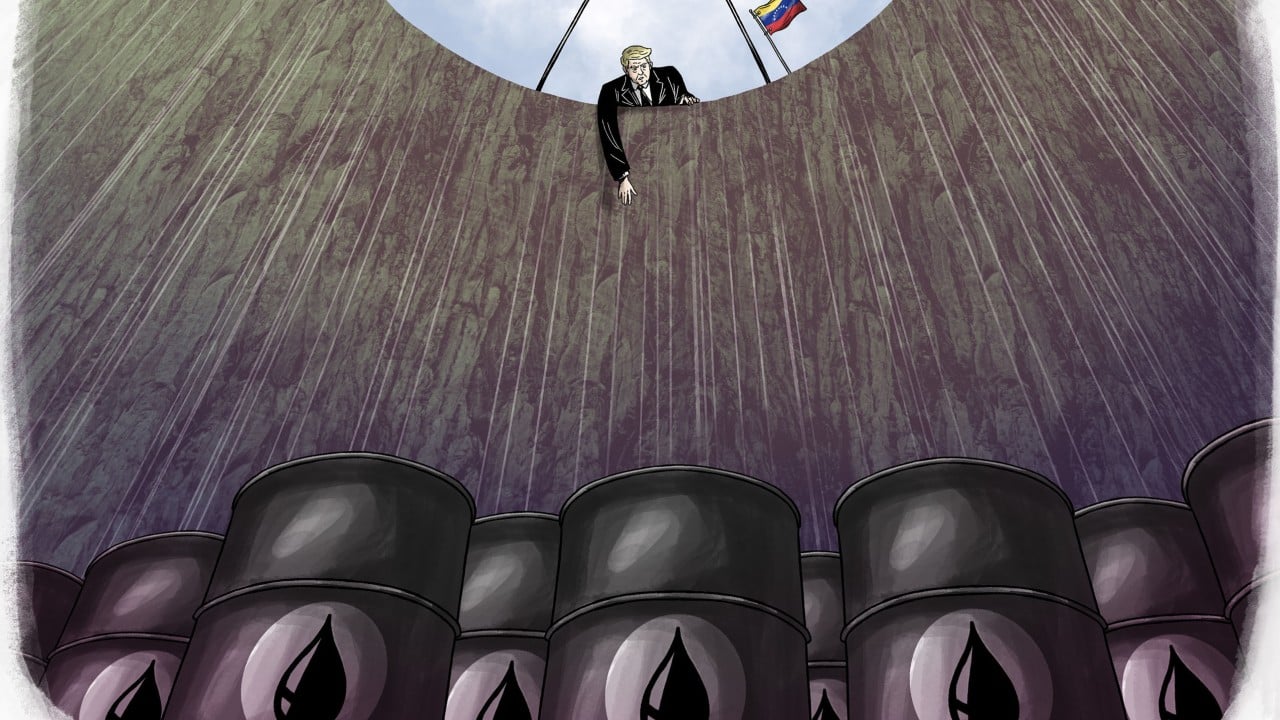
When US President Donald Trump announced on August 28 that the United States had secured majority control over some 65 billion barrels of Venezuelan oil through a private company, the North American Blue Energy Partners (NABEP), he called it “the biggest oil deal in history”.
The White House fact sheet provided the details: NABEP’s 100-year concessions on 17 oilfields with 65 billion barrels of proven reserves, a 35 per cent Pentagon stake, a 20 per cent State Department offtake at cost with right of first refusal, and a Washington veto over the appointment of board members, the majority of whom must be US citizens.
Reuters quoted an unnamed US official as saying, “We are opening up the United States as the market for this oil, which was previously being sent to China.” Rather than sanctions, this is the forced displacement of a strategic competitor’s energy operators in a third country through a US government-controlled proxy.
Call it the Venezuela template. This first full implementation of a new doctrine of indirect expropriation should be understood alongside the administration’s “economic D-Day” against Iran.
Trump’s claim of 65 billion barrels is real, but it is not what it sounds like. Venezuela holds an estimated 303 billion barrels in the ground – about 17 per cent of the world’s supply – yet the country currently produces just over 1 million barrels per day, or about 1 per cent of global output. Rystad Energy estimates that restoring production to 3 million barrels per day would require US$183 billion in capital across 15 years, an amount far beyond NABEP’s pledge of up to US$100 billion.
Venezuela’s interim president Delcy Rodriguez projects US$209 billion in royalties and taxes over 25 years; the White House puts the figure at around US$200 billion.
KioskNews shows a cleaned-up reading view extracted from the publisher’s page — the original always lives on their site, not ours.