Digital nomads are flocking to Asia. South Korea wants in
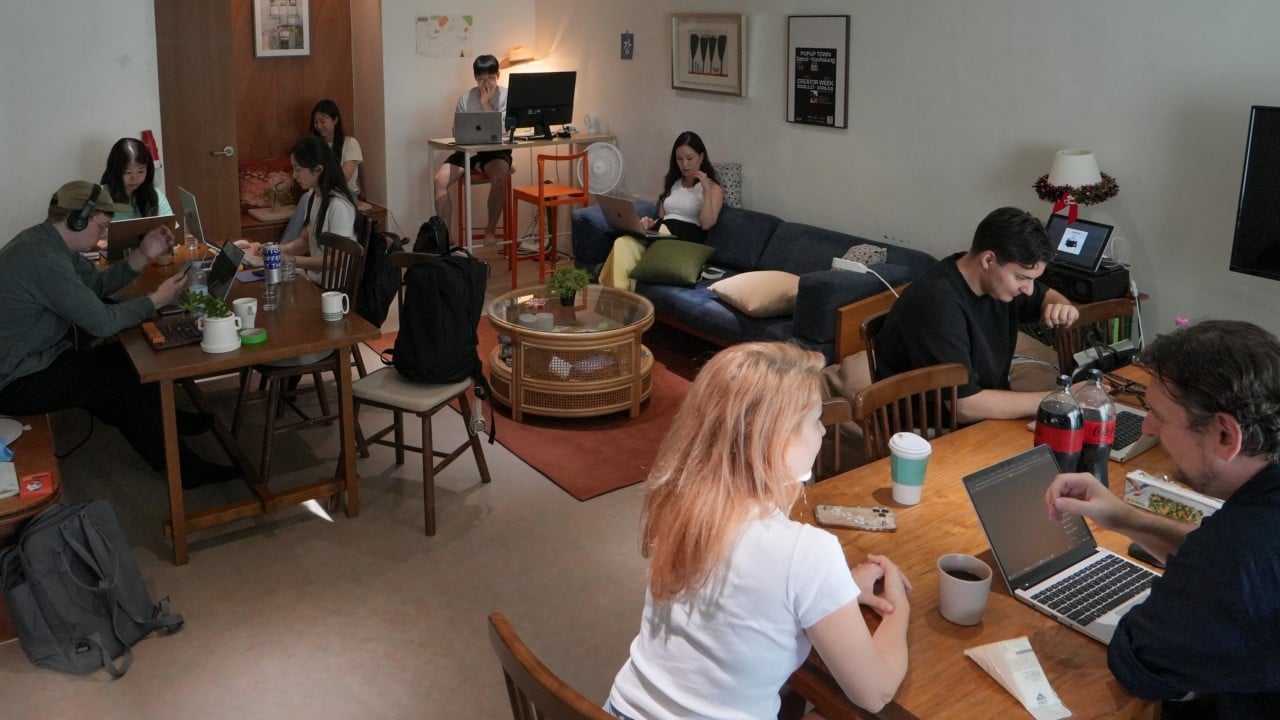
Alina Radulescu, 38, has stayed in Italy, the United States and Thailand for months at a time. Now, the IT consultant from Romania shares a co-living space in Seoul with 11 other digital nomads – and says she’s never been happier.
“There’s a certain vibe in Korea,” she said. “These days, I’m just so happy when I realise that I’m living here.”
Her affinity for South Korea grew gradually through friends in Romania and dance classes where her teacher played K-pop. She first discovered Korean cosmetics on a trip to Thailand in 2017.
Life in Seoul was “just more exciting”, she said. “Whether it’s binge-watching K-dramas with my housemates, going out to pocha (streetside) bars or seeing the autumn foliage in the park.”
“Aside from the things that people usually idealise about South Korea, I’ve also come to discover a different kind of beauty,” she added. “Feeling safe is a big part of it, something that I didn’t feel when I was living in the US. Everywhere is clean … it’s financially more viable and there are more professional opportunities for me.”
Radulescu is part of a growing global community of digital nomads who take their work with them wherever they go. Estimates vary, but Nomads.com, an online community for remote workers, puts the global total at close to 80 million. In the US alone, 18.5 million people – around 12 per cent of the workforce – identify as digital nomads.
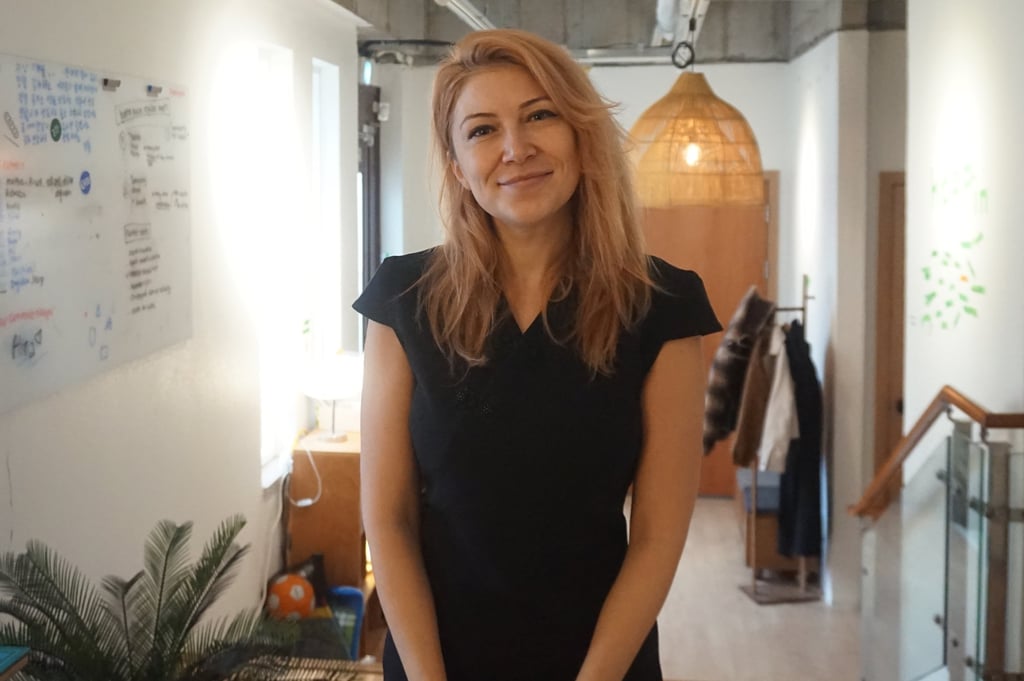
Remote working has boomed since the Covid-19 pandemic and Asia has emerged as a leading destination for those seeking affordable, safe and convenient places to live and work.
Of the 11 cities with the most consistent growth in digital nomad numbers over the past five years, 10 are in Asia, according to Nomads.com – the only outlier being Asuncion in Paraguay.
Governments across the region have responded with digital nomad visas, allowing foreigners to live in a country while working for employers or clients elsewhere.
Co-living housing and nomad communities help newcomers to settle in. The harder task, as numbers rise, is integrating foreign workers into society and ensuring their spending benefits locals.
‘Hoppin’ together
South Korea’s digital nomad, or “workation” visa, formally took effect at the end of June. Radulescu received hers in April under a pilot programme.
She works for a US technology company and is also a community manager at Hoppin. The Seoul-based digital nomad company runs Hoppin House, a co-living space near Hongdae district, and organises “workations” for people wanting to combine remote work with travel.
Founder and chief executive Jeong Cho launched Hoppin in 2023 after noticing a lack of places in South Korea where foreign remote workers could find housing, workspaces and opportunities to connect with locals.
Its Digital Nomads Korea community has since helped more than 10,000 remote workers, entrepreneurs and local residents connect through its online platforms and meet at its cultural events, pop-ups and networking nights.
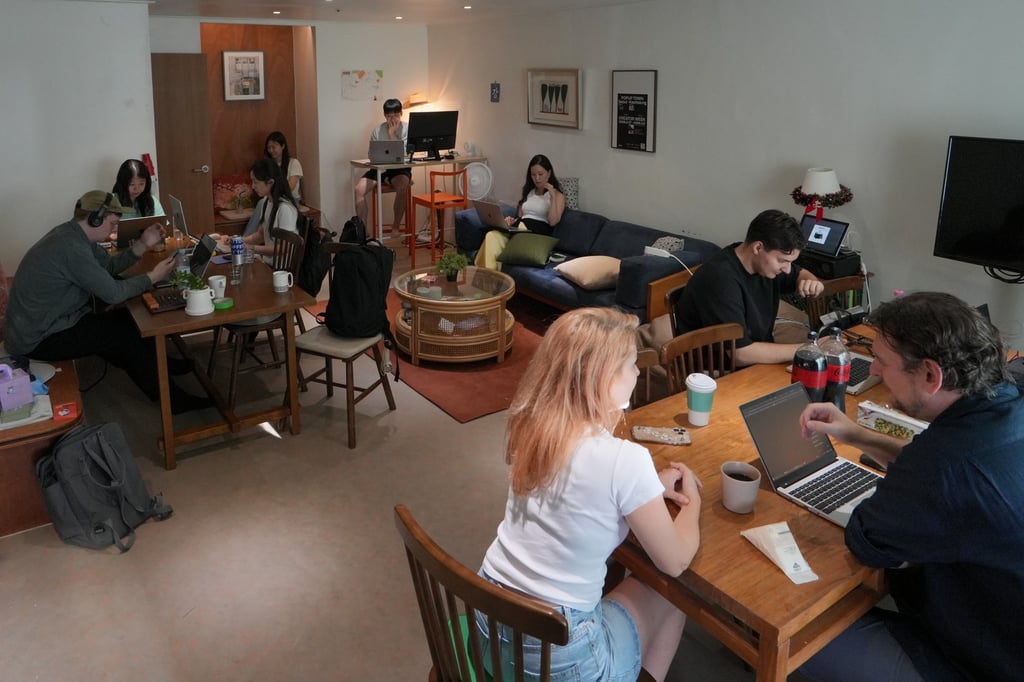
“From the beginning, our goal was never just to provide a place to stay,” Cho said. “We wanted to create an environment where people could build a life, find a community and feel connected to a new city.”
As many as 1,000 international guests have stayed at Hoppin House or taken part in its workcation programmes in South Korea and Japan.
Cho now plans to expand these programmes in East Asian nations, building on her existing partnerships with local governments and private groups to connect remote workers from overseas with more destinations across the region.
“I believe the next big opportunity for Asia lies in connecting its cities and communities, rather than having each destination compete for visitors independently,” she said.
“Having great infrastructure and culture may inspire people to visit a country for the first time. But it’s ultimately the friendships, relationships and sense of community that make them want to return and stay longer.”
The Asian dream
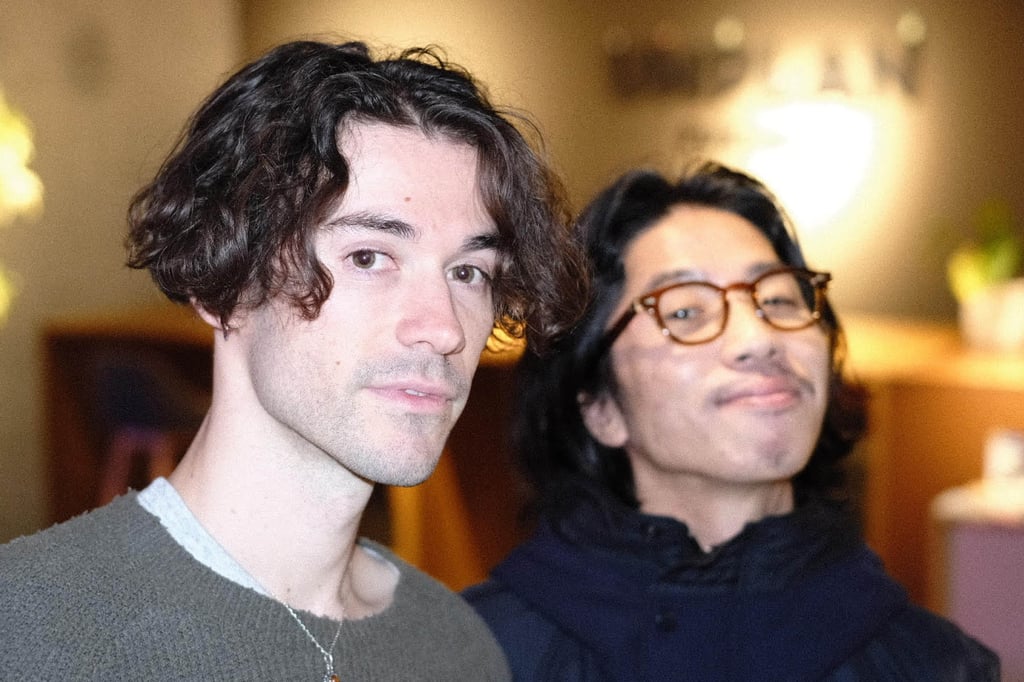
Enzo Bacqueyrisses, a 32-year-old from Bordeaux, France, said Asia had emerged as the ultimate digital-nomad destination of choice.
He grew up hearing his parents and grandparents talking about travelling to the US, which he credited to Hollywood and American culture “having such a big presence in France”.
“They were always talking about travelling to America,” Bacqueyrisses said. “If you listen to old French, German or Spanish music, a lot of the songs are about America.”
Social media and streaming music platforms had changed that dynamic, he said, introducing a new generation to a part of the world they previously knew little about.
Since 2024, he has worked remotely from Japan, South Korea, Taiwan and Hong Kong, sometimes choosing his next destination based on where his fellow digital nomads were heading.
It’s a great feeling. You feel like you are on an adventure
“It’s a great feeling,” Bacqueyrisses said. “You feel like you are on an adventure in a new place. But there are many cultural similarities and many people speak English, so it’s also comfortable at the same time.”
The novelty of living somewhere new is only part of the attraction, however.
“There is this huge sign of respect shown between people, while you also have this sense of trusting even strangers in public,” he said of living in Asia. “It’s a privileged feeling to want to trust the person next to you and not worry about your well-being at all times.”
Kim Eje, a geography professor at Gyeongin National University of Education, said South Korea was fast catching up with other popular destinations such as Thailand, which received more than 35,000 applications for its digital nomad visa in 2024-25 – though it has since tightened application rules.

South Korea’s profile had grown in recent years thanks to the global prevalence of K-pop and Netflix hits like KPop Demon Hunters, Kim said, while also urging the country to learn from tensions between digital nomads and locals elsewhere “to protect residential spaces for local communities”.
In Portugal, which introduced its digital nomad visa in 2022, a surge in short-term rentals catering to higher-paid remote workers has fuelled resentment among residents, some of whom reportedly spend up to 90 per cent of their salaries on rent.
In July, a running club made up of digital nomads in Bali, Indonesia, made headlines after drawing widespread backlash for excluding locals from its events. Indonesian immigration authorities subsequently blacklisted its two Dutch founders.
01:54
Bali running club accused of excluding locals amid island’s crackdown on foreign visas
South Korea’s digital nomad visa, like those offered by several other countries, sets a relatively high annual income threshold of 104 million won (US$78,000), yet according to Nomads.com, nearly half of all digital nomads earn US$100,000 or more a year.
“We should ensure that spending by foreign visitors and residents circulates back into local businesses and employment,” Kim said.
In addition to better management of short-term rentals and making sure foreign money circulated locally, Kim suggested creating programmes that brought digital nomads into closer contact with local history and culture instead of leaving them “isolated in their own bubbles”.
“The lesson for South Korea and its neighbouring countries is that they need to prepare from the very beginning, while they are still in the welcoming stage of new foreign visitors,” she said.
“Ultimately, geographical understanding helps broaden each other’s mental maps. It is the best way to reduce potential conflicts and find a way of cohabitation.”
KioskNews shows a cleaned-up reading view extracted from the publisher’s page — the original always lives on their site, not ours.