Southeast Asia’s green push brings solar power, but who pays to keep it on?
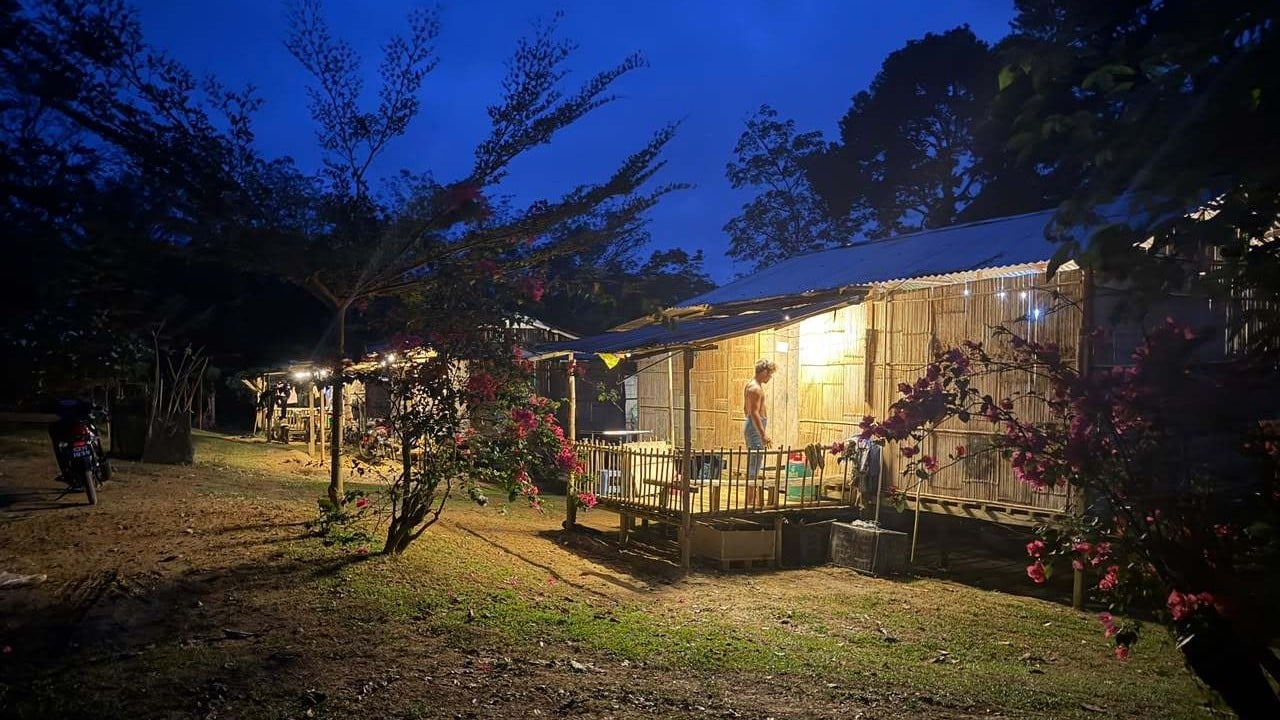
For most of his life, Osman Uki lived in a world dictated by the sun, relying on kerosene and leftover cooking oil to light his home in a remote indigenous village in Malaysia.
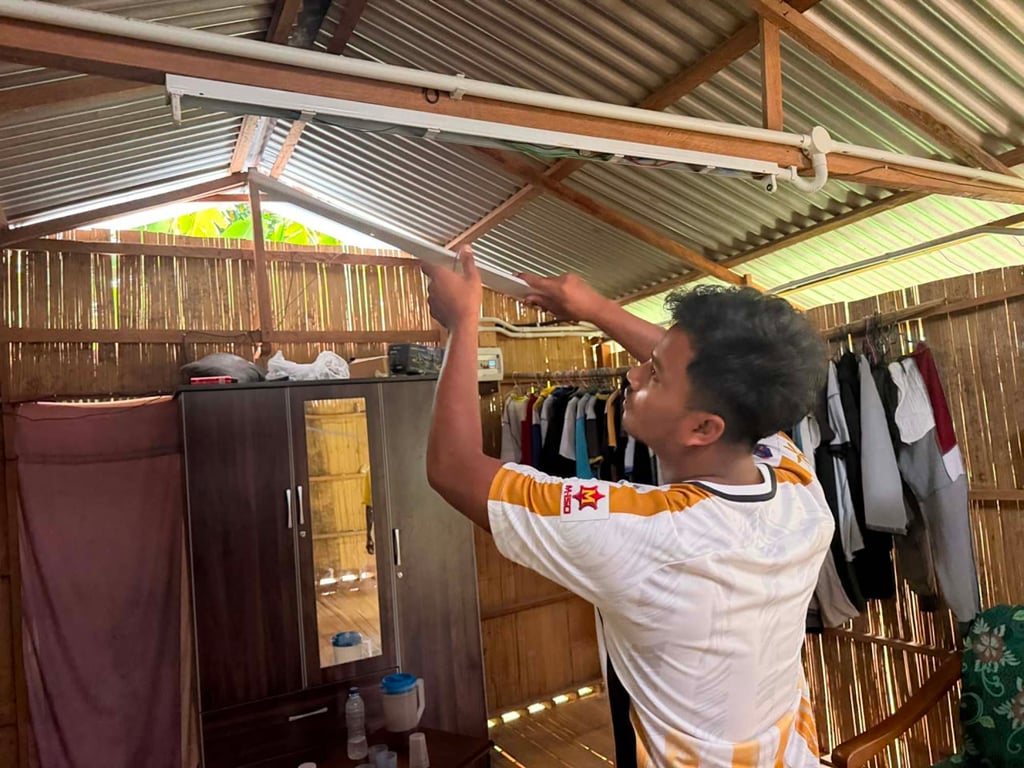
That changed in April when solar power finally reached Kampung Bertang in the state of Pahang, allowing families to power electric lights, refrigerators and rice cookers.
For Osman, one of the biggest changes is what happens after sunset.
“We are happy with the light we have at night. The kids can read at night now. We only use one light and that is enough for them,” he said.
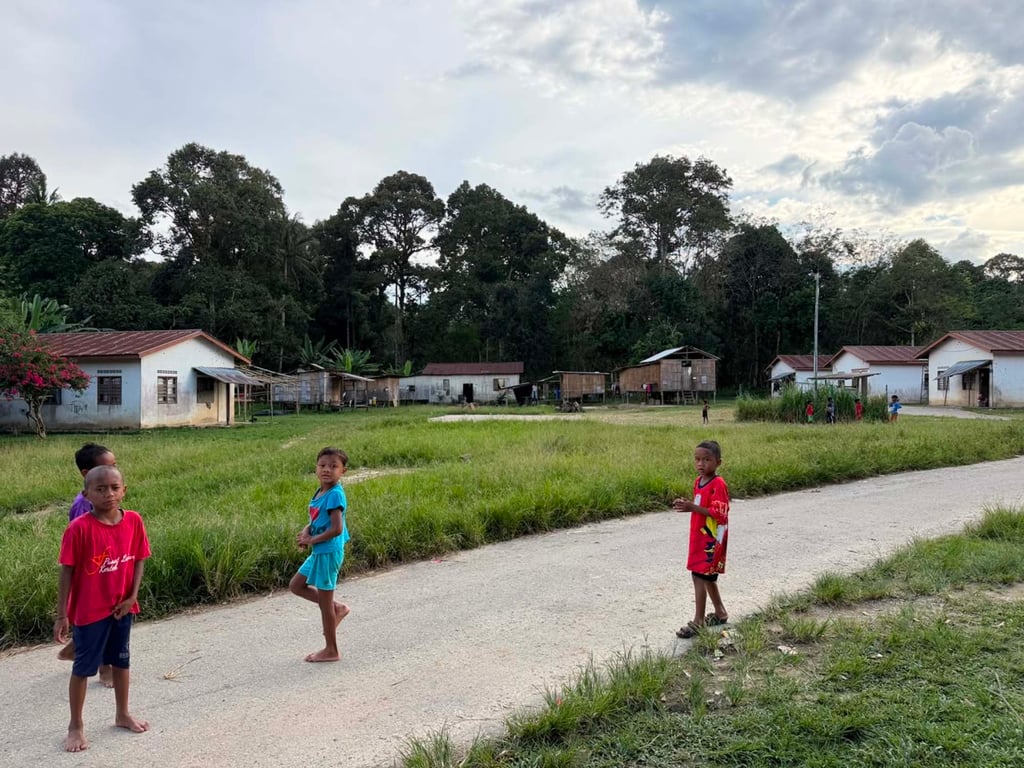
But bringing electricity to the village, located roughly 170km (106 miles) from Kuala Lumpur, proved to be only half the battle. Keeping the power on carries recurring costs that residents must bear themselves, even after outside donors funded the installation.
The village’s experience highlights a dilemma confronting Southeast Asia as governments seek billions to shift towards cleaner power: how to ensure impoverished communities benefit from the green transition without shouldering an unfair share of the bill.
With the Cop31 UN climate summit opening in Antalya, Turkey, on Monday, the question of who pays and who benefits has become increasingly urgent.
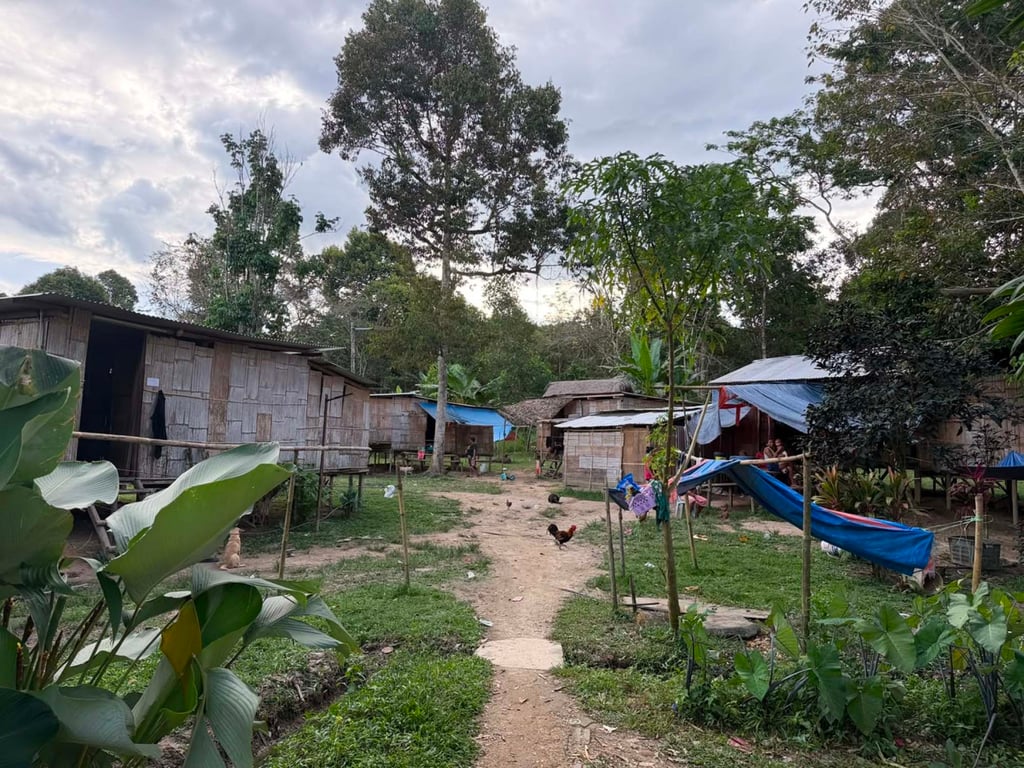
For communities such as Kampung Bertang, home to more than 500 members of Malaysia’s Orang Asli population, the stakes are high. Many have yet to secure reliable electricity at all, even as the wider region grapples with making clean power affordable.
Costly transformation
At Cop29 in 2024, developed nations agreed to lead efforts to mobilise US$300 billion annually in climate finance for developing countries by 2035.
Southeast Asia, however, faces a widening investment shortfall. Clean-energy investments in the region reached just US$47 billion in 2025 – far short of the US$100 billion needed annually between 2026 and 2030 to meet regional climate commitments, according to the International Energy Agency’s World Energy Investment 2025 report.
In Kampung Bertang, deploying off-grid solar power cost about US$4,930 per household, according to Yeap Mei Yi, co-founder and chief operating officer at Bright Spots Energy. The social enterprise carried out the project alongside SHER Engineering, with financial backing from Yayasan Hasanah.
Yeap, who has worked on rural electrification since 2020, estimates that nearly 200 Orang Asli villages across Peninsular Malaysia still lack grid access.
Having seen previous off-grid installations fail in other remote settlements, she said the project was designed to ensure villagers could operate and maintain the system independently.
“It’s very, very common to see a solar project that is built, installed and then within a year or two, it’s not working and abandoned because nobody knows how to do maintenance and operations,” Yeap said.
To avoid that fate, each household contributes US$7 a month to a community fund that covers repairs, maintenance and modest payments to the village energy committee.
Battery replacements alone are estimated to cost more than US$980 per system, an expense shared across households. Bright Spots expects the committee’s pooled savings will be sufficient to cover the replacement when units come due within five years.
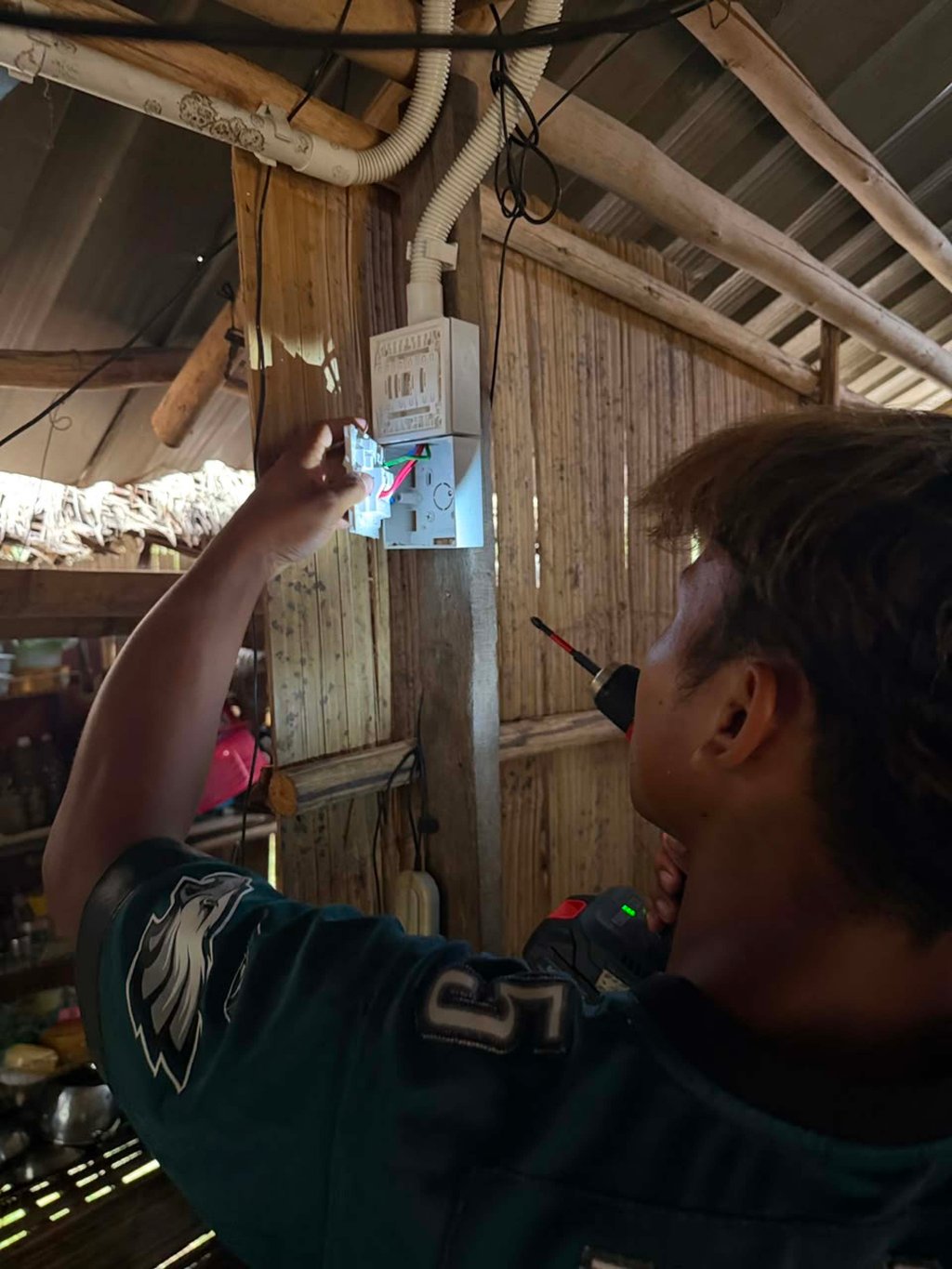
Hasil Gentiah, 51, a member of the village committee, said residents pooled their earnings from tapping rubber and harvesting fruits and other produce to meet the monthly contributions.
“Electricity from the main grid still hasn’t reached our village, so for now, we rely on solar power,” Hasil said, noting that daily life had nonetheless improved dramatically.
The financial burden of securing reliable, clean electricity extends across Southeast Asia, where continued dependence on fossil fuels leaves households vulnerable to price shocks.
In the Philippines, coal and natural gas accounted for 74 per cent of electricity generation in 2025, according to the Centre for Energy, Ecology and Development (CEED), a Manila-based think tank.
“For ordinary Filipino families, the burden of expensive energy goes beyond electricity bills. It translates into higher transportation fares, food prices and living expenses, hitting low-income households the hardest,” said Gerry Arances, executive director of CEED.
According to CEED, low-income Filipino households consume about 60 kilowatt-hours of electricity a month, compared with 210kWh among middle-income families, leaving poorer households with little margin to absorb rising energy costs.
Yet switching to domestic renewables presents its own challenge: CEED estimates a basic 500-watt rooftop solar system costs about US$437, yielding modest savings of up to US$5 a month.
Experts warn that without adequate financial support, the clean energy transition could widen domestic inequality.
“There is a real risk that the transition creates a two-tier energy system: those who can afford to decarbonise and those who continue paying the price of not being able to,” said Renard Siew, a sustainability and climate change specialist at Malaysian infrastructure conglomerate Yinson.
Beyond the high upfront cost of renewable technologies, Siew said households might face higher electricity tariffs as grid operators seek to recover the cost of upgrading transmission lines and energy storage infrastructure.
Fluctuating fuel subsidies could also increase transport, food and logistics costs.
“It is not enough to announce how much capital will be mobilised,” Siew said. “We need to ask who benefits, who pays and who carries the risk.”
Policy vs public buy-in
Governments across the region are trying to reconcile the push for low-carbon economies with the need to protect vulnerable households.
Malaysia launched its National Energy Transition Roadmap in 2023, aiming for net-zero emissions by 2050 by scaling up renewables and encouraging private green investment.
In September, the government expanded electricity bill protections by raising the domestic exemption threshold from 600kWh to 800kWh through the end of 2026. Under the relief measure, eligible households are exempt from automatic fuel adjustments, retail charges and service tax. Prime Minister Anwar Ibrahim framed the enhanced relief as an immediate measure to ease cost-of-living pressures.
Anjali Viswamohanan, director of policy at the Asia Investor Group on Climate Change, warned that the large investments needed to decarbonise regional power systems could erode public support if passed directly onto consumers.
“Unmanaged costs can deepen inequality and erode public support for the transition,” Anjali said, pointing out that rural and indigenous communities often bear the brunt of early disruptions.
Investors could address inequalities by assessing whether communities can benefit from projects, including access to affordable clean electricity.
“In due diligence, they can go beyond ‘do no significant harm’ and assess whether an investment makes a positive contribution,” she said.
Back in Kampung Bertang, Yeap said that grand regional targets must not lose sight of off-grid communities still waiting to secure reliable electricity.
“I hope that there will be funds committed towards ensuring that communities that have no access to electricity finally receive access to it,” she said.
For Osman, the arrival of electricity has transformed what he hopes the village’s children can achieve.
“I hope the new generations can be ambitious at school,” he said. “Because they can now have classes at night too.”
KioskNews shows a cleaned-up reading view extracted from the publisher’s page — the original always lives on their site, not ours.