AI-generated cats showcasing rural life, Chinese cuisine land major brand sponsorships
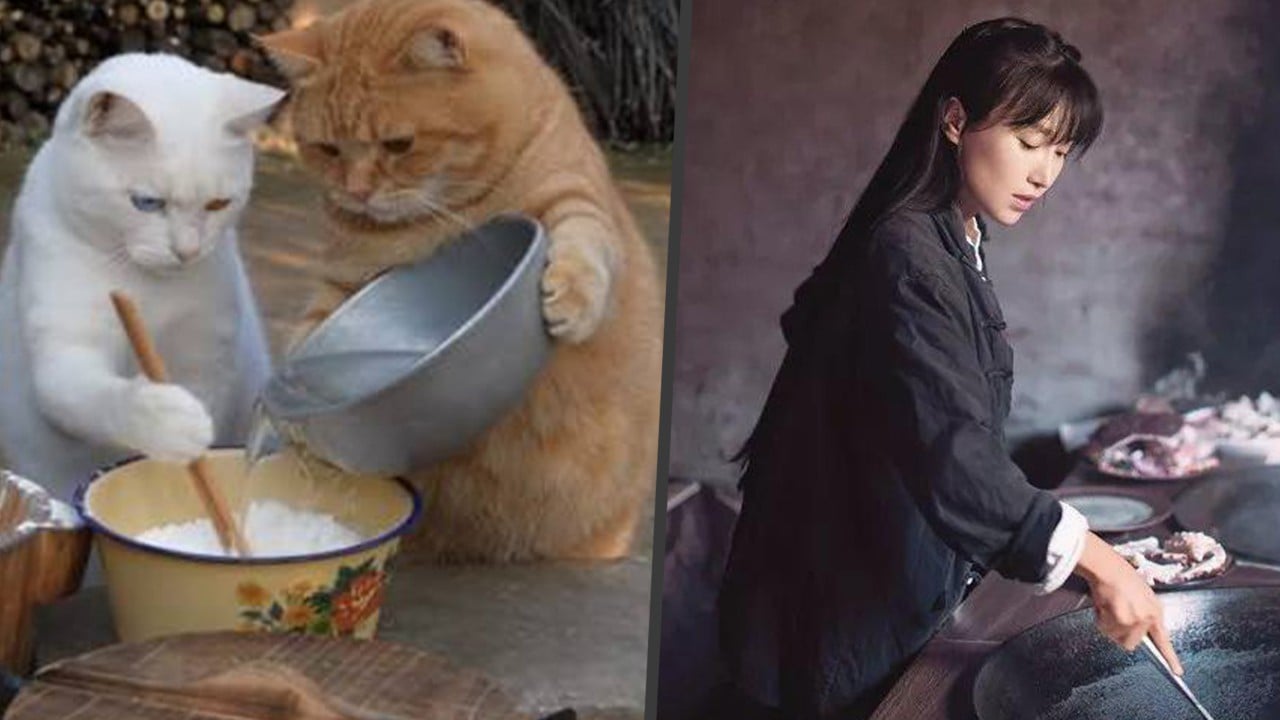
China’s pet scene has found its digital answer to cottagecore icon Li Ziqi – “Meow Ziqi,” a social media account featuring three AI-generated cats that cook traditional Chinese dishes and practise heritage crafts.
Since bursting onto the scene in April, the account has amassed over 1.76 million followers and more than 500 million views.
The parallels with Sichuan-born cultural influencer Li Ziqi are unmistakable.
Li captivated over 56 million fans worldwide with her cinematic depictions of rustic life and Chinese intangible cultural heritage crafts, before a legal feud with her former agency prompted a three-year hiatus beginning in 2021.
Li made a comeback in 2024 with a lacquer art series and later appeared in a Unesco promotional video in January. Meanwhile, Meow Ziqi has smoothly stepped into the pastoral void.
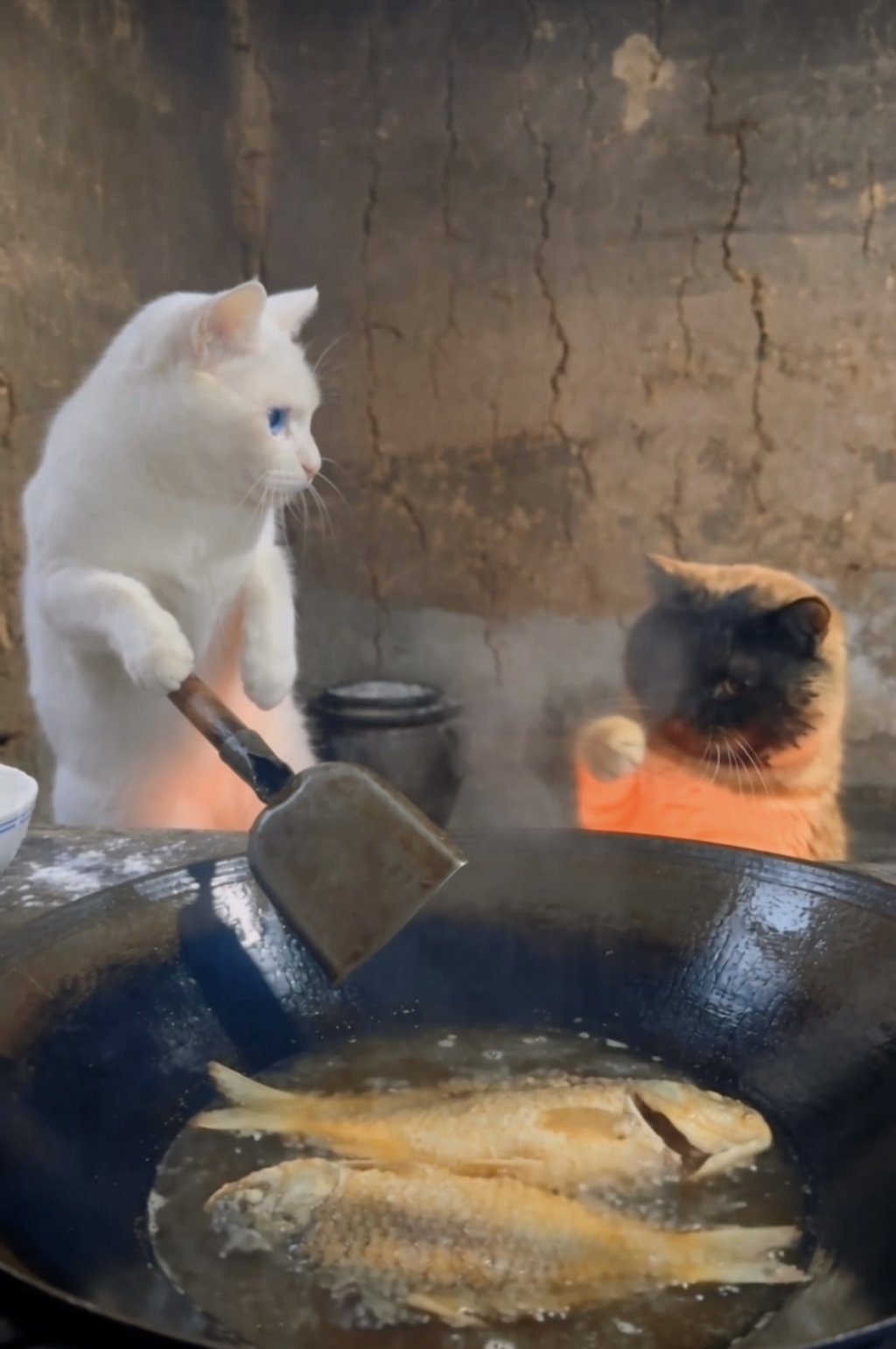
Set against an idyllic countryside backdrop, the account follows three kittens, each with a distinct personality.
White Ziqi is the skilled, composed leader who handles the crafting, while Orange Ziqi is a naughty glutton whose clumsy enthusiasm routinely derails their chores.
Rounding out the trio is Hat Ziqi, their friend who lives in the city and receives their handmade gifts.
In one viral clip, Orange and White make osmanthus fermented-rice coffee from scratch, harvesting the blossoms and cultivating the yeast starter.
Other episodes show the trio fluffing cotton, making ginkgo-leaf bookmarks and frying up twice-cooked pork.
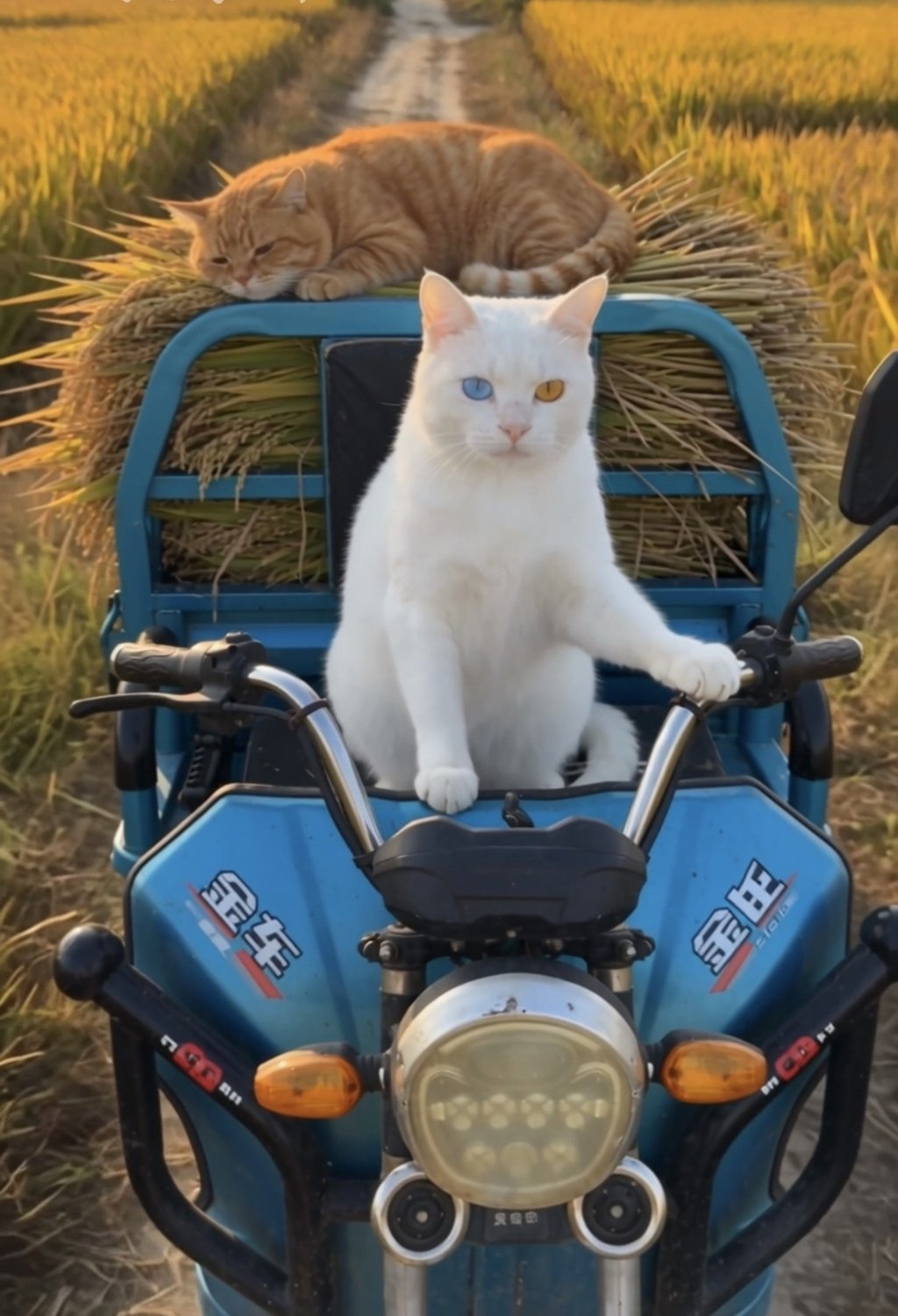
Fans say what sets Meow Ziqi apart is that, despite taking on human chores, the cats never lose their feline quirks in their expressions and subtle movements.
As one viewer remarked: “Other virtual AI pets feel cold and synthetic, but Meow Ziqi’s feel alive.”
“It is so heartwarming to see these kittens taking such good care of themselves and working hard to live their best lives,” wrote another.
Behind the account is a 29-year-old self-taught content creator who left his job as a real estate copywriter to make AI-generated content, drawing inspiration from his two pet cats.
Computing power costs him roughly 10,000 yuan (US$1,500) a month, but brand deals with companies including Prada, Volkswagen and Estée Lauder more than cover the expense, he told the media.
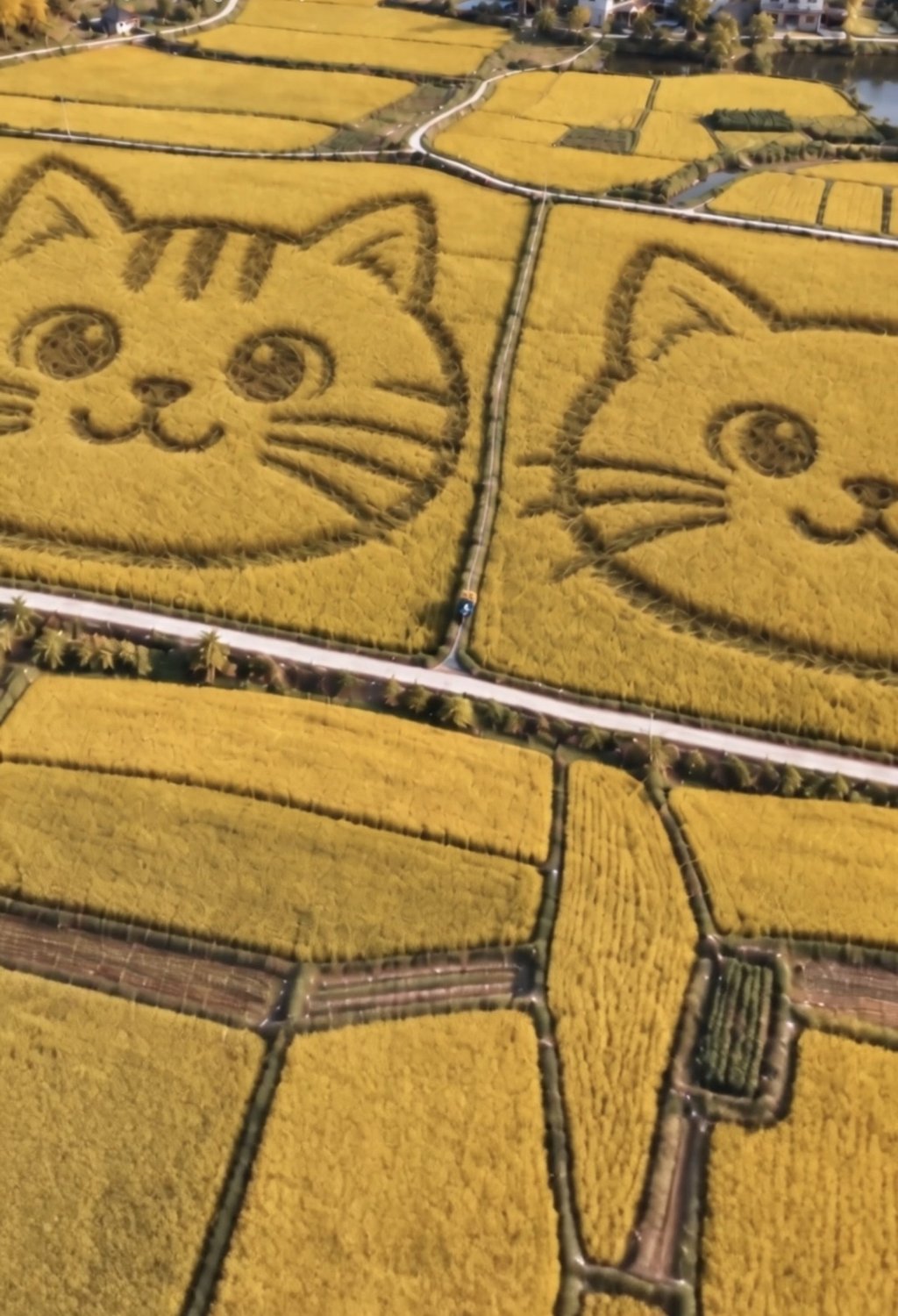
The trio’s breakout success highlights a lucrative new frontier in China, where top AI pet creators reportedly earn over 80,000 yuan for a single sponsored clip.
A few top-tier creators can bring in upwards of one million yuan (US$150,000) a month by combining sponsorships with online courses and branded merchandise, the creator behind the viral AI dog account “A Huang and This Village” told China Youth Daily.
Still, the boom carries risks. Industry insiders warn that the nascent sector faces increasing scrutiny over intellectual property rights and the murky ethics of simulated emotional bonds.
KioskNews shows a cleaned-up reading view extracted from the publisher’s page — the original always lives on their site, not ours.