Incoming Apple CEO Ternus to take helm amid AI and China challenges
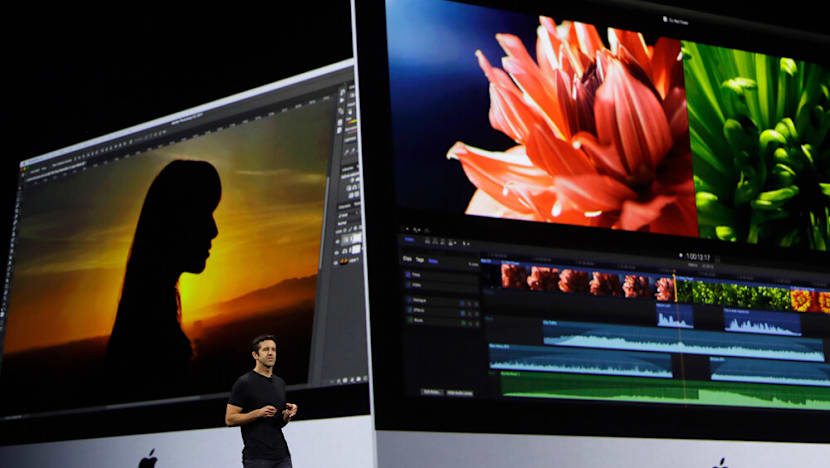
SAN FRANCISCO: Apple will enter a new era of leadership on Tuesday (Sep 1), with hardware engineering chief John Ternus taking over from Tim Cook as CEO as the tech giant navigates the rise of artificial intelligence.
Cook, who has led Apple since 2011, will become its executive chairman.
The leadership change marks the end of an era at one of the world's most iconic companies.
Ternus, a mechanical engineer by training, has been with Apple for 25 years and reportedly enjoys strong backing across its ranks.
TACKLING THE AI CHALLENGE
The 50-year-old faces the challenge of keeping one of the world’s most valuable firms at the forefront of an industry being rapidly reshaped by AI.
“Now you’ve got to sort of live in the world of AI,” said Wamsi Mohan, senior equity research analyst at Bank of America Securities.
“So how do you take these devices (and) make them relevant to the world of AI?”
A first glimpse of his approach could come on Sep 9, when Ternus is expected to unveil Apple’s latest iPhone series in his first major event as CEO.
The smartphone maker has faced criticism for moving too slowly on AI, including delays in rolling out improved versions of its Siri voice assistant.
But many analysts still see Apple’s hardware expertise as a major advantage in providing the processing power needed for AI applications.
“What is winning consumers over is still the thing that you can touch, and then the usability and taking away friction and delivering real value with AI is what is going to keep them engaged,” said Carolina Milanesi, president and principal analyst at market researcher Creative Strategies.
That advantage could become more important as new rivals such as OpenAI move into hardware, according to experts.
AI is also forcing Apple to rethink how it deploys its massive cash reserves.
The company has indicated it may keep more cash available for investment instead of share buybacks, potentially giving Ternus greater freedom to spend on acquisitions, partnerships and AI infrastructure.
“I think what Apple is signaling is that they are just going to open up this aperture for Ternus to be able to go and do whatever he needs to do,” said Bank of America Securities’ Mohan.
His challenge will be making the changes needed to keep Apple at the forefront of the AI era without straying from the formula that has made it one of the world's most successful firms.
CHINA EXPOSURE
China presents another challenge as Apple looks to shape its next chapter.
United States President Donald Trump’s tariffs have further exposed the vulnerability of Apple’s sprawling supply chain.
Despite the company shifting more assembly to countries such as India and Vietnam, many critical parts of its production remain tied to China.
Nabila Popal, senior research director at market intelligence and advisory firm International Data Corporation (IDC), said: “The concentration of the skillset, as well as all the different components that are required in the supply chain that go into making a phone, all of that is very well in place in China, and that’s hard to replicate in other markets.”
Apple relies on China not only to make its products, but also to sell them. The country is the company’s third-largest revenue market, routinely pulling in about US$70 billion annually.
Although iPhone shipments there have continued to grow over the past year, increasingly capable domestic competitors such as Huawei, as well as tensions between Washington and Beijing, could pose a threat.
KioskNews shows a cleaned-up reading view extracted from the publisher’s page — the original always lives on their site, not ours.