Why China’s new air force base in Laos could rattle Vietnam
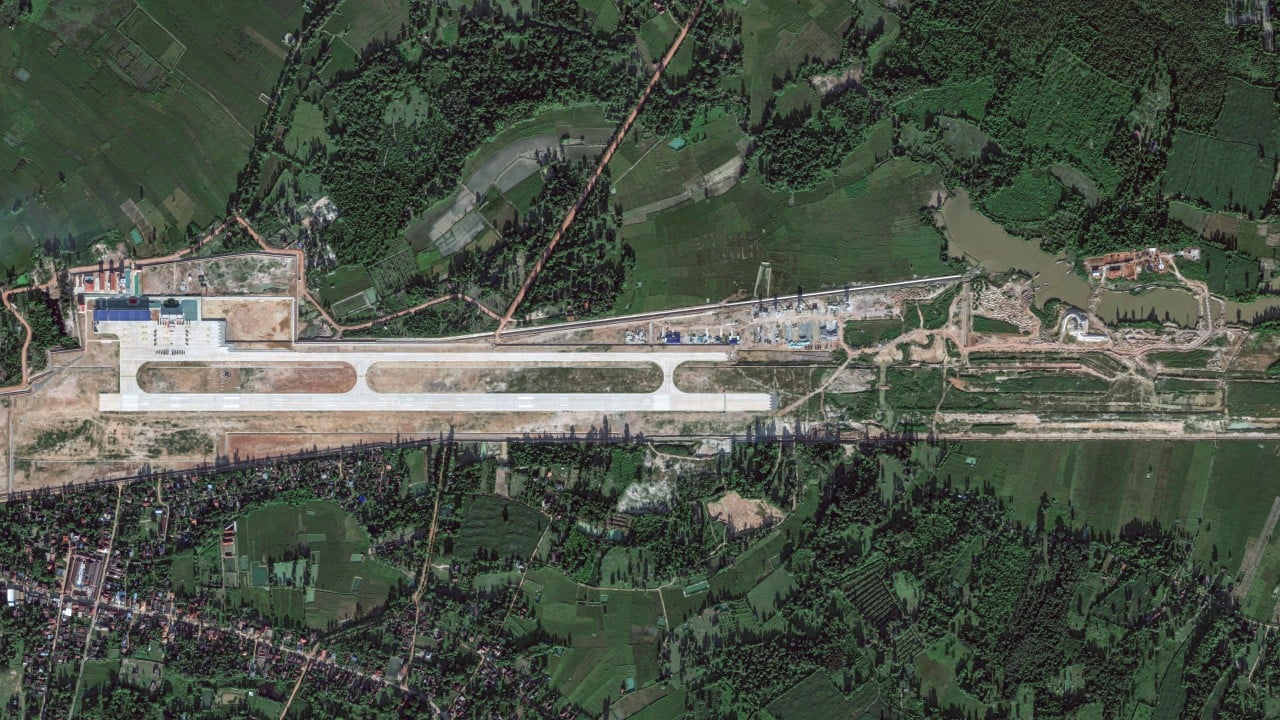
A newly opened China-backed air force training centre in Laos could unsettle Vietnam, even as it aims to modernise Vientiane’s military and balance defence ties among Beijing, Moscow and Hanoi, observers say.
China’s National Defence Ministry said last Tuesday that the joint support and training facility at Ban Keun Airport in the Laotian capital would strengthen the expertise of local air force pilots and was “not directed against any third party”.
“The establishment and operation of the two institutions reflect mutual respect and equal consultation between China and Laos, aligning with domestic laws of both countries, as well as international law and common practices,” the ministry said in a statement.
It added that the installation, widely described as China’s third overseas defence base, “contributes to enhancing practical military cooperation, as well as promoting regional peace and stability”.
China’s other two military facilities are in East Africa’s Djibouti and Ream Naval Base in Cambodia.
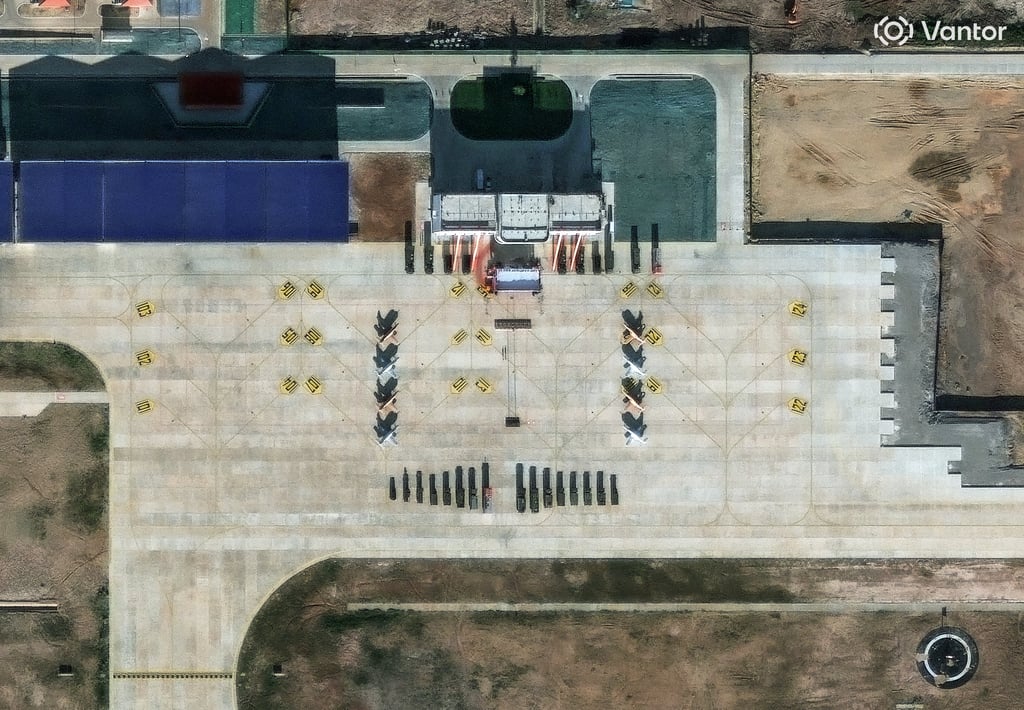
Operational activities have already begun at Ban Keun, with satellite images taken on September 30 by Vantor showing what security analysts believe are eight K-8 light attack jets and more than two dozen support vehicles on a runway that is still being built.
Abdul Rahman Yaacob, a research fellow at the Rabdan Security and Defence Institute in the United Arab Emirates, said the facility indicated that Laos was looking to juggle defence relations between China, Russia and Vietnam.
“As Vietnam continues to maintain close defence partnerships with Russia, Laos could look to China as a counter balance,” Rahman said.
Modernising its air force and roping in China as a potential supplier and partner were also high on Vientiane’s agenda, but the move has another dimension: “a competition between Vietnam and China for influence in Laos”, he said.
Given Vietnam’s long history of exercising political, military and strategic sway in Laos, Rahman said Hanoi may see the latest development as “China encroaching into its area of influence”.
He added that Beijing could also monitor military activities in southern Vietnam by developing Cambodian naval and air defence facilities.
“Vietnam could be surrounded by China from the north and China-friendly regimes in Laos from the west and Cambodia from the south,” Rahman said.
‘Chosen partner’
Beyond keeping an eye on Vietnam, the Laos facility signalled China’s deepening competition with the United States for influence in mainland Southeast Asia, he said.
Hanoi and Beijing maintain a quietly tense relationship driven by a complex strategy of balancing intense economic interdependence against maritime territorial disputes in the South China Sea.
02:48
‘Nothing to hide’: Cambodia hails reopening of naval base renovated by China
Rahman noted that China has the ability to monitor air activities deep into Myanmar, Thailand and Vietnam if it decides to install the 700km (434 miles) YLC-8B long-range radar system.
Security analyst Olli Pekka Suorsa said from Vientiane’s perspective, Beijing appeared as an ideal partner to help develop the country’s small, capacity-constrained air force, which has sent its pilots to China for training.
“The [facility] is of great importance to the [Laos air force] and its future development road map,” Suorsa said.
The assistant professor of security at the Rabdan Academy in Abu Dhabi said “China has become the chosen partner” for the modernisation of Laos’ air force, whose SAIC LE500 and Hongdu K-8 jets are also Chinese-made.
He added that Chinese flight instructors would be sent to the new facility in the future, allowing local pilots to complete their military flight training syllabus entirely in Laos.
Vientiane could also seek to acquire budget-friendly Chinese combat jets, including the JF-17 and FTC-2000, Suorsa said.
Simon Creak, an associate history professor at Nanyang Technological University in Singapore and modern Southeast Asia historian, said the training, equipment and infrastructure benefits for Laos were clear.
“A joint facility like this delivers something Laos cannot develop by itself,” Creak said.
Though Laos has similar arrangements with China in other areas of development and infrastructure, it was the first time the country used this model to strengthen its military capacity, he said.
“It is unprecedented in this sense.”
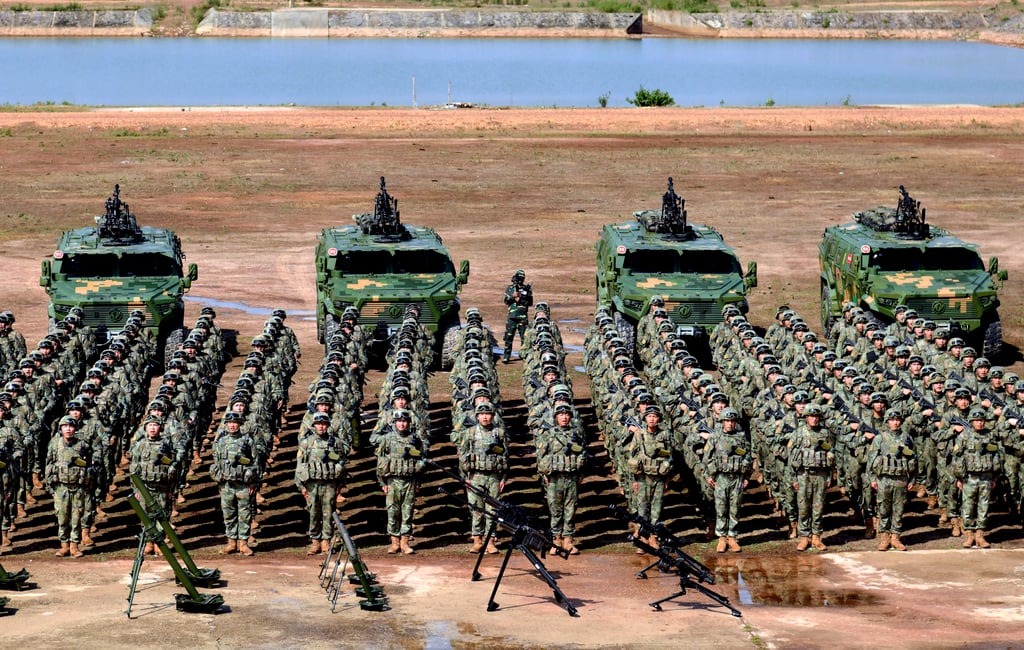
Laos and China have long-standing defence ties that include holding the “Friendship Shield” drills and providing modern military equipment, maintenance support and training to Vientiane.
Keith Barney, an associate professor at the Australian National University and country expert on Laos, said there was a broader connection between the Ban Keun air facility and the US$6 billion Laos-China Railway, both built with Chinese support.
During the 2024 exercise near Vientiane, the rail link was used to move personnel and military equipment. Vehicles were unloaded at a station some 25km from Ban Keun.
Ban Keun’s under-construction runway is expected to be extended from 2,000 to 3,000 metres (9,842 feet), enabling longer-range aircraft to operate from there, Barney said.
“Infrastructure can have both civilian and military uses and infrastructure can become strategic,” he said, adding that the facility could potentially acquire wider logistical or operational functions over time.
Barney said Laos’ need for Chinese financial support might constrain its room for manoeuvre in negotiations with Beijing, including over military cooperation and access to infrastructure.
“I would not assume that this means China has imposed particular terms on Laos in the case of Ban Keun, but the wider debt relationship is relevant to understanding the context in which such agreements are made.”
Laos faces a severe debt crisis with public and external debt exceeding up to 118 per cent of its gross domestic product, struggling to meet its financing and repayment obligations.
Massive financial losses in the state-run energy sector and heavy infrastructure overborrowing from Chinese banks have largely contributed to the situation.
KioskNews shows a cleaned-up reading view extracted from the publisher’s page — the original always lives on their site, not ours.