‘Does a PSA level of 28.9 indicate prostate cancer?’

You get a blood test, and one number immediately catches your attention: PSA 28.9 ng/mL. If you know that PSA is linked to prostate cancer, it is natural to wonder if such a high reading means you have cancer.
One such concerned internet user took to Quora seeking answers. The query reads: “Does a 28.9 level of PSA mean certainty of prostate cancer?”
To understand what a PSA this high actually means, we spoke with Dr Kapil Jain, Sr Consultant, Urology, RG Hospitals, Rajouri Garden, Delhi, and Dr Vishnu Hari, Associate Director & Head, Medical Oncology, Haematology & BMT, Sarvodaya Hospital, Sector 8, Faridabad.
DISCLAIMER: This article is based on information from the public domain and/or the experts we spoke to. Always consult your health practitioner before starting any routine.
Does a PSA of 28.9 make cancer more likely?
Before we get to the details, the first thing to understand here is that a PSA or prostate-specific antigen of 28.9 is very high, but it does not by itself confirm prostate cancer.
“PSA is a marker of prostate abnormality rather than a cancer-specific test,” Dr Jain explains.
Prostate cells make it, and it is normally found in the blood. PSA levels can also increase with age, and several conditions can raise them.
Story continues below this ad
A very high PSA does make prostate cancer more concerning, but the number alone cannot tell doctors whether a person has cancer.
“The likelihood of prostate cancer generally increases as PSA levels rise,” Dr Hari acknowledges. A PSA above 10 ng/mL is associated with a “substantially higher likelihood” of prostate cancer.
Dr Hari adds that a PSA above 20 ng/mL is considered a high-risk feature if prostate cancer is subsequently diagnosed.
 Screenshot of the query posted on Quora
That last part is important. A PSA of 28.9 does not mean a person has high-risk prostate cancer. It means the result needs proper investigation.
Story continues below this ad
“The possibility of prostate cancer does increase when PSA levels are very high,” Dr Jain says. But doctors also look at the person’s “age, symptoms, prostate examination, previous PSA values and other investigations.”
What else can make PSA rise?
A number of prostate and urinary problems can push PSA up. These include prostate inflammation or prostatitis, urinary infection, an enlarged prostate, urinary retention and recent procedures involving the prostate or urinary tract.
“In some cases, an infection or inflammation can produce a substantial and temporary increase,” Dr Jain points out.
Dr Hari echoes this and adds that doctors need to look for “other potential causes of the elevated PSA, including infection, inflammation and benign prostate enlargement.”
Story continues below this ad
This is why doctors do not diagnose prostate cancer from one PSA report alone.
What tests are needed next?
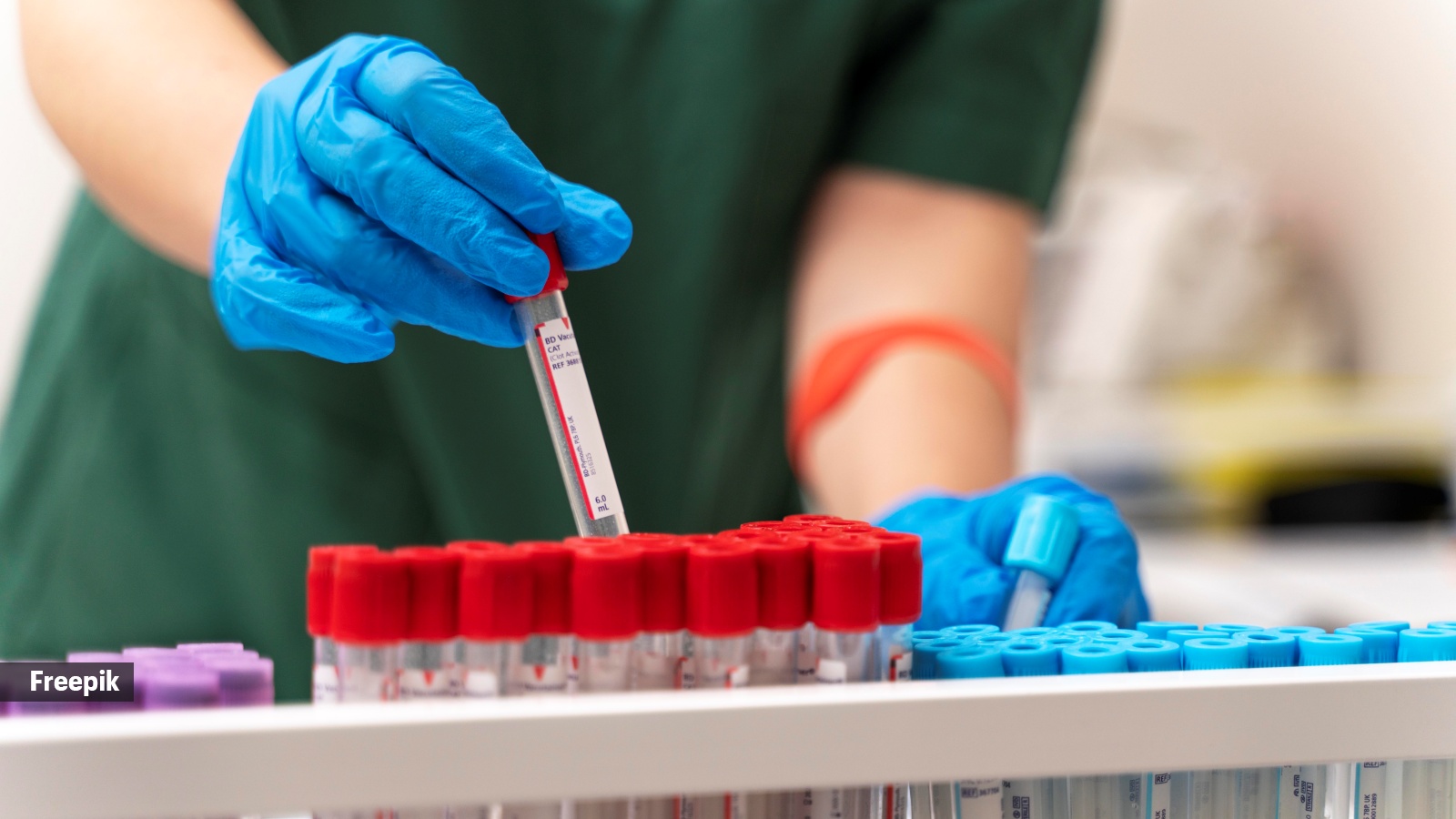 If the overall findings remain suspicious, the urologist may recommend a prostate biopsy (Image: Freepik)
With a PSA of 28.9, the next step is to see a urologist promptly. The doctor will usually ask about symptoms and medical history and may examine the prostate. A urine test may also be advised if an infection is suspected.
If the doctor finds a possible cause for the high PSA, they may treat it first. The PSA may then be repeated to see whether the level comes down.
If cancer is still a concern, the doctor may recommend a “multiparametric MRI” of the prostate. This can show suspicious areas and help the urologist decide whether a biopsy is needed.
Story continues below this ad
“A prostate biopsy is the definitive test for diagnosing prostate cancer because it involves examining prostate tissue under a microscope,” Dr Hari tells indianexpress.com.
If the MRI shows a suspicious area, the urologist may take samples specifically from that area. This is called a targeted biopsy. The doctor may also take samples from other parts of the prostate.
How urgently should you see a doctor?
A PSA of 28.9 is not something to ignore or put off for months, even though it is not a cancer diagnosis.
Story continues below this ad
“A patient receiving a PSA result of 28.9 should not panic, but should also not delay consultation with a urologist,” Dr Jain notes. Medical evaluation is especially important if there are urinary symptoms such as “difficulty passing urine, increased frequency, burning, blood in the urine or semen, or fever.”
If the doctor asks you to repeat the PSA, tell them about any recent urinary infection, fever, difficulty passing urine, catheterisation or prostate-related procedure.
Some activities can also temporarily affect the PSA reading. “Patients should inform their doctor about any recent urinary infection, fever, urinary retention, catheterisation or prostate-related procedure. ”
“Ejaculation and activities involving significant pressure or trauma to the prostate, such as prolonged or vigorous cycling, may also temporarily affect PSA levels,” the cardiologist further adds. Patients should follow their doctor’s instructions about what to avoid before repeating the test.
Story continues below this ad
So yes, PSA 28.9 is a red flag that deserves investigation, but it is not a cancer verdict. The important thing is to find out why the PSA is high and, if needed, move on to an MRI and biopsy rather than assuming that one blood test has provided the diagnosis.
DISCLAIMER: This article is based on information from the public domain and/or the experts we spoke to. Always consult your health practitioner before starting any routine.
KioskNews shows a cleaned-up reading view extracted from the publisher’s page — the original always lives on their site, not ours.