Philippines thought Pogos were gone. Corruption and AI still power them
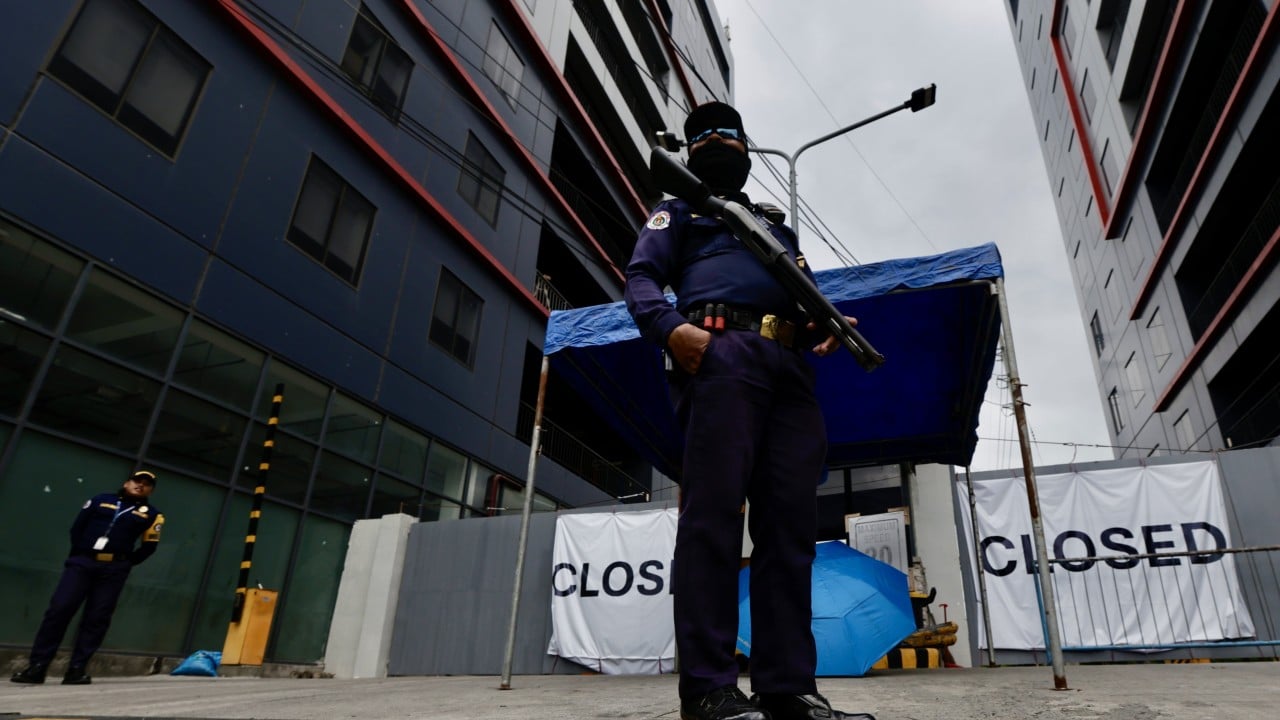
Two years after the Philippines banned its notorious offshore gaming hubs, or Pogos, a recent crackdown on hundreds of foreigners has highlighted a worrying trend of embedded corruption that still enables the sector to thrive.
In September, the National Bureau of Investigation raided a call centre-style facility in Makati City, arresting more than 120 Chinese nationals linked to an alleged illegal trading and a “lust scam” that tricked local and foreign victims into sharing explicit videos, which were later used to blackmail them.
The enforcement blitz continued this month as police swooped down on twin scam hubs in the southern province of Zamboanga Sibugay.
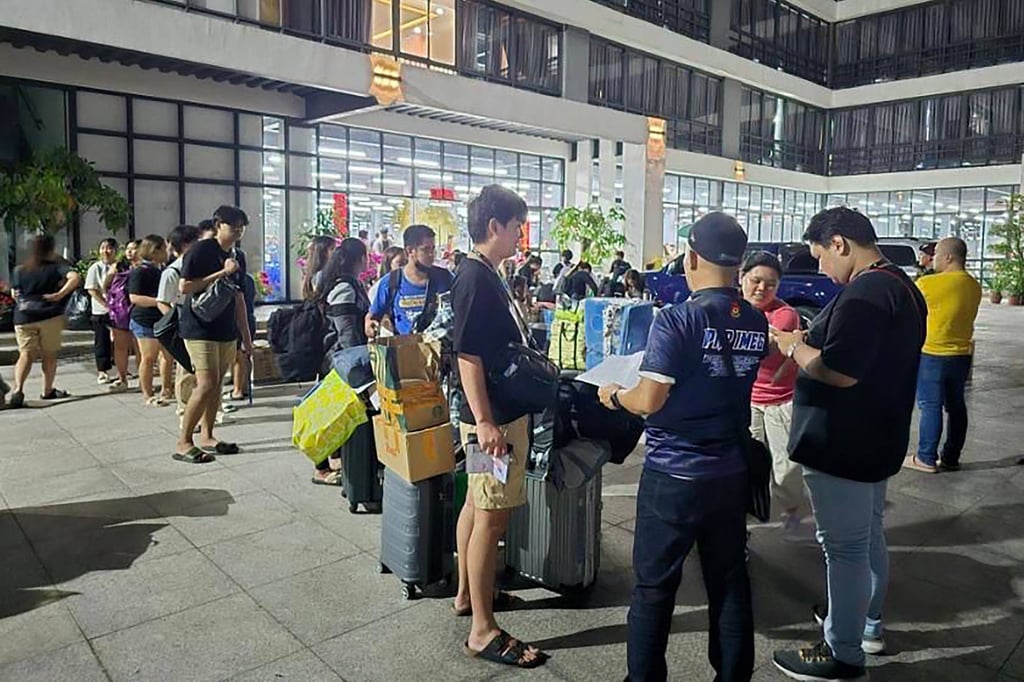
About 244 foreigners, mostly Chinese citizens along with two Cambodians, were arrested in the operation dubbed the “largest Pogo bust”. The Bureau of Immigration (BI) said the suspects were housed at one of the raided properties while undergoing identity verification before deportation.
The foreigners are also accused of working without valid visas, alleged involvement in illegal online activities, lack of proper documentation and illegal entry.
The same playbook
The latest raids reflect a long-standing suspicion that Pogo elements have not entirely left the country since the ban, according to Winston Casio, former deputy operations director of the Presidential Anti-Organised Crime Commission (PAOCC).
The PAOCC – an agency attached to the president’s office – spearheaded a series of nationwide Pogo raids in 2023–24, which unearthed evidence of human trafficking and torture and also led to the jailing of former mayor Alice Guo over her role in setting up a scam centre in Bamban.
02:35
Ex-Philippine mayor Alice Guo gets life term for human trafficking linked to scam hub
Casio said government agencies needed to reconcile their figures to determine if the recent arrests were of new arrivals or of foreign nationals who went into hiding after the 2024 Pogo ban announced by President Ferdinand Marcos Jnr.
Before 2024, at least 10,000 foreign Pogo workers were granted a permit to stay in the country beyond the 59-day grace period for their repatriation.
But Casio, citing BI data, said only 8,000 left the Philippines, which different agencies estimate was home to up to 400,000 overseas Pogo workers.
“So there’s a discrepancy in the numbers and those numbers were never reconciled after the ban took effect,” he said.
This Week in Asia has contacted BI for comment.
Casio said the recent raids in Makati City, Alicia and Siay happened in the same hotspots where unlicensed Pogos were previously located, noting that they did not “evolve and simply hid under the radar of the national agencies”.
He added that the arrests of the suspects raised questions about their immigration status.
“Did they enter the Philippines prior to the ban? If so, then they are part of the number that had yet to be deported then …[if these foreign nationals came] to the Philippines after the [ban and the law took effect], then we have a problem,” he said.
Casio also called for the scrutiny of the 14-day visa on arrival scheme for Chinese nationals, enforced in January, in a bid to boost tourism.
“They have to check when these individuals arrived in the Philippines. Did they take advantage of the visa upon arrival specifically given to Chinese nationals?”
The operations are still carrying out the same scams as before, but have simply adapted to the local political climate surrounding Pogos, analysts say, after authorities found alleged fraudsters inside a tent in Alicia.
“In security, we have what is called ‘hiding in plain sight’...they’re just in a tent. Who would suspect an operation of that gravity in a tent?” said Allan Cabanlong, head of CyberCX’s Asean cyber advisers programme.
Cabanlong, who is also a former assistant secretary of the Philippines’ Department of Information and Communications Technology, said the set-up was “planned” to aid their easy escape.
‘There’s AI now’
He said artificial intelligence likely made the existing business model and modus operandi more agile.
“There’s AI now, so the scams of before are much more intense today,” he said.
“If they target a pool of victims, they can reach 100 per 10 minutes … the tradecraft is similar, though some are more sophisticated and improving.”
Cabanlong said inadequate funding, tech infrastructure and corruption hobbled Manila’s efforts to tackle a “digital arms race” in the scam industry.
“We admit the criminals have money for that. But the government can barely even manage the bidding and on top of that there’s graft,” he said.
“So how do you catch up, if you’re not procuring what you need to build your capacity and build your workforce against current scam techniques?”

Casio suggested that working with foreign agencies was crucial in filling local technological gaps.
“You have to make sure you go after the big bosses … we need to coordinate with foreign counterparts because they’re more technically competent in following the digital footprint and the money trail.”
Casio said most of the remaining Pogos were in the central and southern Philippines, allowing them to evade national agencies and continue the business by dealing with local bureaucrats or law enforcement.
He said the still-operating Pogos and their dirty money could influence the 2028 election and corrupt local politicians willing to conceal such operations, calling the raids simply “catching small fry”.
“What we’re talking about here is public corruption, plain and simple … they’re obviously looking for politicians who could support them,” he said.
“That’s the difficulty. They don’t want to talk about the real difficult things, the elephants in the room. Let’s not kid ourselves.”
KioskNews shows a cleaned-up reading view extracted from the publisher’s page — the original always lives on their site, not ours.