71 years after Bandung, Indonesia seeks to turn South-South solidarity into trade with Kenya, Africa
JAKARTA, Indonesia, Sep 22 — Seven decades after Asian and African leaders gathered in the Indonesian city of Bandung to challenge colonialism and imagine a new international order, Indonesia is seeking to give that legacy a more tangible economic meaning, with Kenya emerging as an important focus of its engagement in Africa.
Indonesian officials say the country wants to move beyond the political symbolism of the 1955 Bandung Conference and build practical South-South partnerships in trade, investment, agriculture, energy, food security, tourism, education and technical cooperation.
The push comes as Indonesia seeks to deepen its engagement with Africa while Kenya looks to expand its economic relationships beyond its traditional partners.
“We haven’t really translated the Bandung Conference as our political and historical investment into a concrete economic cooperation,” Dewi Justicia Meidiwaty, Indonesia’s Director for Africa at the Ministry of Foreign Affairs, told a group of Kenyan journalists visiting Indonesia on a familiarisation programme.
“That’s why, starting from 2018, we try to have on a regular basis the Indonesia-Africa Forum.”
The journalists were accompanied by officials from the Indonesian Embassy in Nairobi, led by Raden Wisnu Lombardwinanto, Minister Counsellor at the embassy.
Also taking part were senior officials from Indonesia’s Ministry of Foreign Affairs, including the Deputy Director for International Development Cooperation and the Deputy Director for Information and Media.
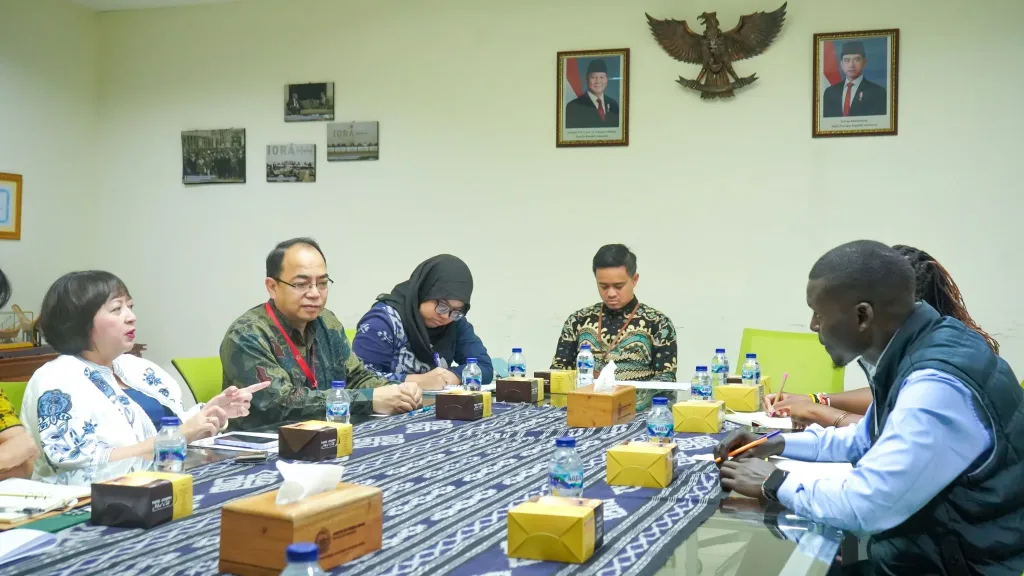
Meidiwaty said the Indonesia-Africa Forum was designed to provide a platform for Indonesia and African countries to develop a model of cooperation rooted in their shared position as countries of the Global South, rather than replicate relationships established by larger powers.
“We don’t want to copy it like the way they have with maybe China or Japan or the most established ones, but we will try to find our own mechanism that reflects the cooperation between South-South countries,” she said.
“That’s our strength.”
From political solidarity to economic cooperation
The Bandung Conference brought together 29 Asian and African countries in Indonesia in 1955, becoming an important milestone in the struggle against colonialism and the emergence of a more independent voice for countries of the Global South.
But Indonesian officials acknowledge that the political legacy of Bandung has not always translated into comparable economic relationships.
Jakarta now wants to change that through trade, investment and development cooperation.
“We view Africa as our non-traditional partners in terms of trade,” the Director for Africa said, adding that food security and other shared challenges offered opportunities for closer cooperation.
Indonesia has already established the Indonesia-Africa Forum as one of its main platforms for engagement with the continent and is preparing for another edition in the coming years.
For Kenya, Indonesian officials said the relationship gained momentum following Indonesian President Joko Widodo’s visit in 2023, which they described as an important point in the recent expansion of bilateral ties.
Indonesia, currently represented in Kenya by Ambassador Tyas Baskoro Her Witjaksono Adji, established its diplomatic mission in Nairobi in 1982, while Kenya officially opened its embassy in Jakarta on March 18, 2022, strengthening the institutional foundation for deeper bilateral relations.
Indonesia’s development cooperation officials said Kenya has received assistance covering areas including agriculture, health, fisheries, education, economic development and humanitarian assistance.
The officials said Indonesia had delivered assistance worth $438 million to Kenya between 2023 and 2026 through a range of capacity-building programmes and scholarships.
The support included 10 capacity-building programmes and two years of the Indonesian Aid Scholarship programme, which ran in 2025 and 2026.
Agriculture is among the principal areas of cooperation, including technical assistance and technology transfer.
The Indonesian side stressed that its development cooperation is intended to be “demand-driven”, with projects based on priorities identified by partner governments.
“Based on the Bandung spirit, where non-intervention is at the core of the programme, we base all our assistance on the requirement of our partners,” the official said.
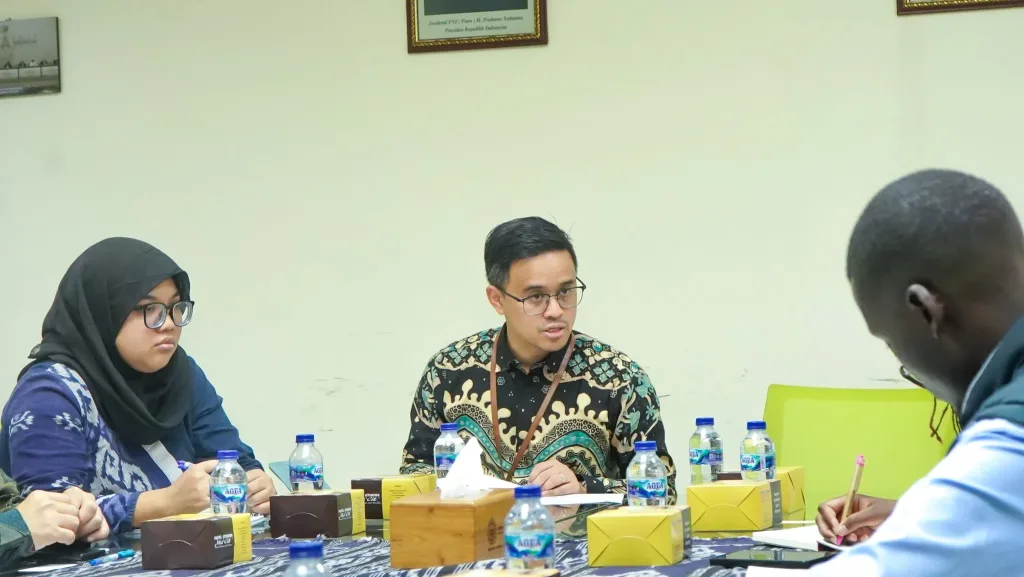
Kenya’s emphasis on food security therefore offers an opening for further Indonesian technical assistance, including agricultural technology and artificial insemination.
Trade imbalance remains a test
Despite the expanding political relationship, trade remains one of the biggest challenges facing Kenya and Indonesia.
The two countries have discussed a Preferential Trade Agreement (PTA) that Jakarta believes could help identify new opportunities for Kenyan exports and narrow the trade imbalance.
Indonesia has also expressed interest in a Bilateral Investment Treaty, while officials have identified energy, tourism, agriculture and the blue economy as areas where commercial cooperation could expand.
The PTA discussions face a procedural constraint on Kenya’s side because any trade arrangement must take into account the country’s obligations under the East African Community (EAC).
The EAC Customs Union framework requires member states to coordinate their trade relations with third countries, meaning Kenya’s bilateral trade initiatives have to be considered within the bloc’s common trade policy.
Indonesia’s strategic plan similarly identifies the EAC as the preferred framework for pursuing a PTA or free trade agreement, reflecting the bloc’s role in harmonising trade policies among its member states.
Despite the constraint, Indonesian officials said Jakarta remains interested in advancing the proposed agreement.
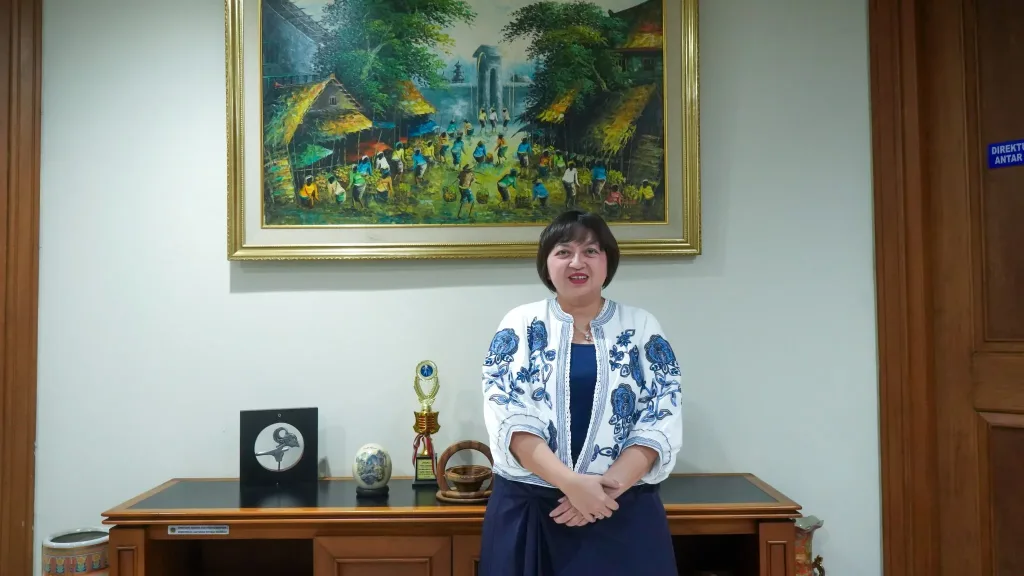
“We have already had commitment at the level of the president for the PTA,” the Director for Africa said, adding that the agreement could help identify sectors in which Kenya could increase its exports to Indonesia.
Energy is another area Indonesia wants to explore more closely.
Officials said Indonesian companies had already held discussions with Kenyan counterparts and that Jakarta would consider further engagement if opportunities emerged.
The two countries are also exploring cooperation in the blue economy, including fisheries and seaweed production.
One Indonesian-backed initiative in Kenya is seeking to connect coastal seaweed farmers with Indonesian buyers and processors, while improving their ability to compete in international markets
Through its South-South Cooperation framework, the Indonesian Embassy in Nairobi has partnered with Kenya’s Ministry of Mining, Blue Economy and Maritime Affairs to link Kenyan seaweed farmers directly with Indonesian buyers and processors.
The initiative includes establishing buyer-seller linkages, supporting local storage facilities and facilitating direct shipments of Kenyan seaweed to Indonesian processors.
The cooperation offers a practical example of Kenya-Indonesia ties moving beyond diplomacy into commercial opportunities, particularly for coastal communities seeking to expand production and access international markets.
Indonesia’s experience as a major seaweed producer, processor and exporter could provide lessons for Kenya as it seeks to strengthen its seaweed value chain and increase exports.
Kenya as a strategic partner
Indonesia views Kenya as more than simply another African market.
The Director for Africa described Kenya as an important and influential country in East Africa and said Jakarta chose Kenya as the first stop for President Widodo’s 2023 African visit.
That strategic importance is also reflected in Jakarta’s interest in expanding cooperation beyond trade.
Indonesian officials said a proposed visit by Kenya’s president to Indonesia could provide fresh momentum to bilateral relations and help advance pending agreements.
Stronger people-to-people ties
Tourism was also identified as an area for closer cooperation, with Indonesian officials pointing to Kenya’s experience in safari tourism, conservation and national park management as an area of interest.
But officials said the relationship needed to extend beyond government and commercial ties to stronger connections between the people of the two countries.
“Many Indonesians and I think many Kenyans don’t know each other,” the Director for Africa said.
“We have to promote the cooperation much better.”
That gap in public awareness, officials said, also extends to the media, where greater exchanges and first-hand exposure could help broaden understanding of the two countries and their cooperation.

During the discussions at Indonesia’s Ministry of Foreign Affairs, officials acknowledged that Jakarta’s activities in Africa are not always well known despite years of development cooperation.
The discussions also touched on possible media cooperation around misinformation and disinformation, an area where both countries could share experience.
Indonesian officials said high-level diplomacy would need to be matched by concrete action, with progress depending on the implementation of agreements and the expansion of commercial, technical and people-to-people links.
KioskNews shows a cleaned-up reading view extracted from the publisher’s page — the original always lives on their site, not ours.