FDA, CIB raid illegal cannabis gummy outlet in Bangkok, seize 90 packs

BANGKOK — 1 November 2026, The Food and Drug Administration (FDA), the Central Investigation Bureau (CIB) and the Department of Thai Traditional and Alternative Medicine have raided an illegal cannabis gummy distribution outlet in Bangkok’s Banthat Thong area, seizing 90 products worth an estimated 50,000 baht and warning of serious health risks, particularly to children.
Authorities said the operation followed reports on social media about a family of three, a father, mother and their two-year-old son, in Chanthaburi’s Khlung district who suffered severe symptoms after eating cannabis-infused sweets.
The parents reportedly experienced muscle stiffness, convulsions and loss of consciousness, requiring ventilator support, while their young son became lethargic. All three were rushed to hospital for emergency treatment. The child was believed to have consumed only a small amount.
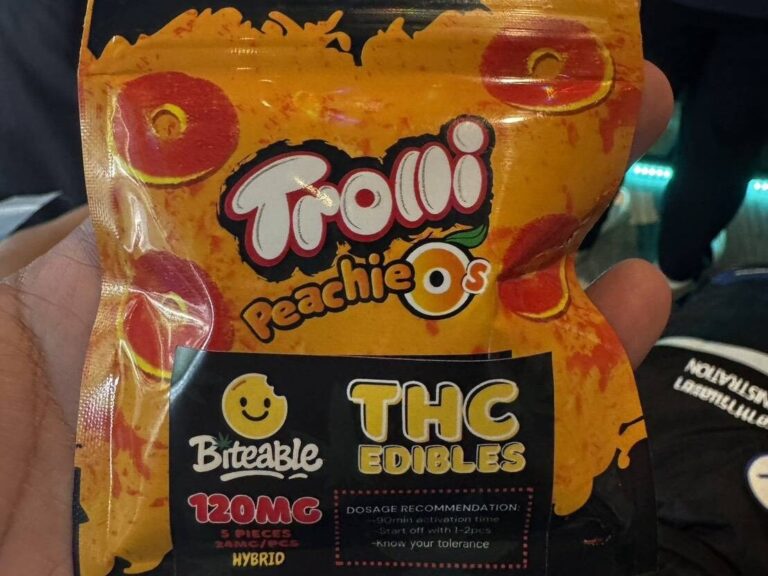
An investigation later found that the sweets contained cannabis. Officers from the Consumer Protection Police Division (CPPD), under the CIB, launched an investigation following coordination with the FDA.
Authorities traced the products to a distributor in Bangkok’s Banthat Thong area. The packaging resembled ordinary gummy sweets commonly sold to children, potentially making the products attractive and easily accessible to young consumers. The products were also advertised and sold through social media platforms.
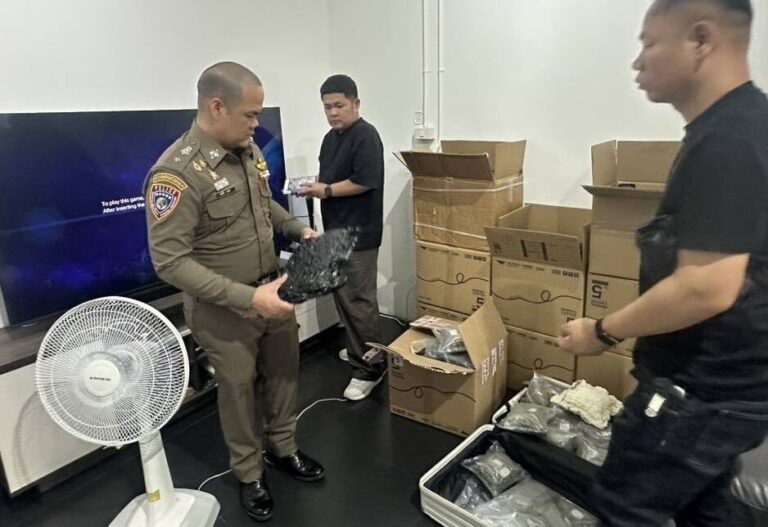
During the latest operation, officers searched a building in the Banthat Thong area of Pathum Wan district after identifying it as a distribution point for cannabis-infused gummies.
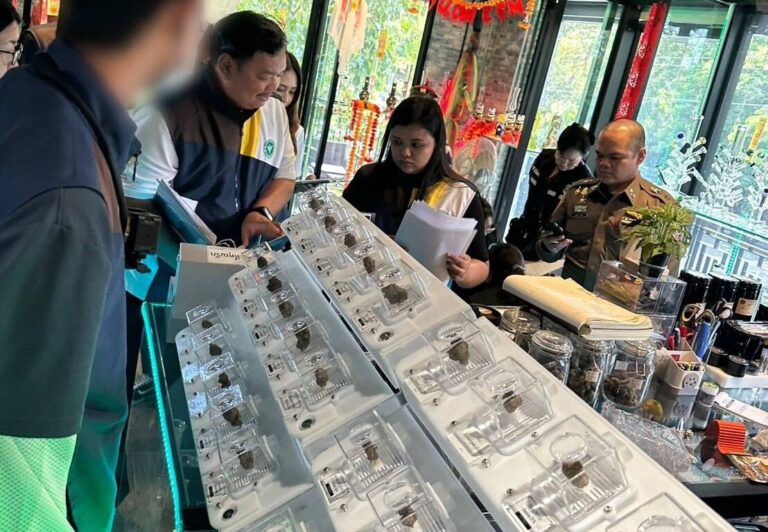
They seized 90 products worth approximately 50,000 baht. The items had no Thai-language labels or FDA food serial numbers.
A 26-year-old female shop employee told investigators that she was responsible for selling the gummies at 80 baht each to members of the public and foreign tourists. The shop had reportedly been operating for about one year.
Authorities said the initial investigation found two suspected legal violations.
The first concerns the Protection and Promotion of Traditional Thai Medicine Wisdom Act B.E. 2542 (1999), involving the sale of controlled herbs without permission. The offence carries a maximum penalty of one year’s imprisonment, a fine of up to 20,000 baht, or both.

The second concerns the Food Act B.E. 2522 (1979), involving the production and sale of food products with improperly displayed labels, punishable by a fine of up to 30,000 baht.
Investigators will send product samples to the Department of Medical Sciences for laboratory testing to determine their tetrahydrocannabinol (THC) and cannabidiol (CBD) content. Additional charges may be considered if the substances exceed legally permitted limits.
FDA Secretary-General Suphatra Boonserm said the agency was particularly concerned about children’s safety and urged parents to prevent children from consuming any food products containing cannabis.
Adults who choose to consume cannabis-infused food products should purchase only those authorised by the FDA, which must undergo safety assessments.
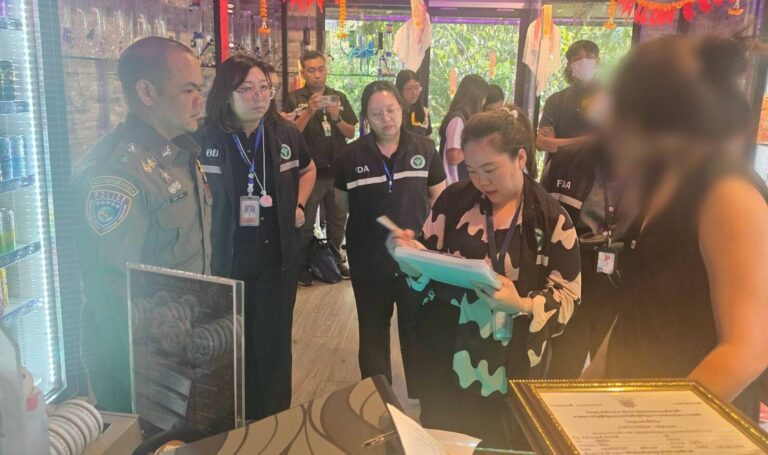
Approved products must contain no more than 1.6 milligrams of THC per bottle, box or sachet. The FDA also strictly assesses product formulations and requires clear consumption instructions and safety warnings on labels.
Consumers are advised not to consume more than two units of packaging per day. Labels must also clearly warn that children, pregnant women and breastfeeding mothers should not consume the products. Anyone experiencing abnormal symptoms should stop consumption immediately, while people sensitive or allergic to THC or CBD should exercise caution.
Suphatra urged parents to watch out for illegally manufactured or imported cannabis gummies without FDA food serial numbers.
She advised consumers to avoid products without Thai-language labels, particularly those displaying cannabis-related symbols or wording such as cannabis leaf images, “Cannabis,” “CA” or “THC.”
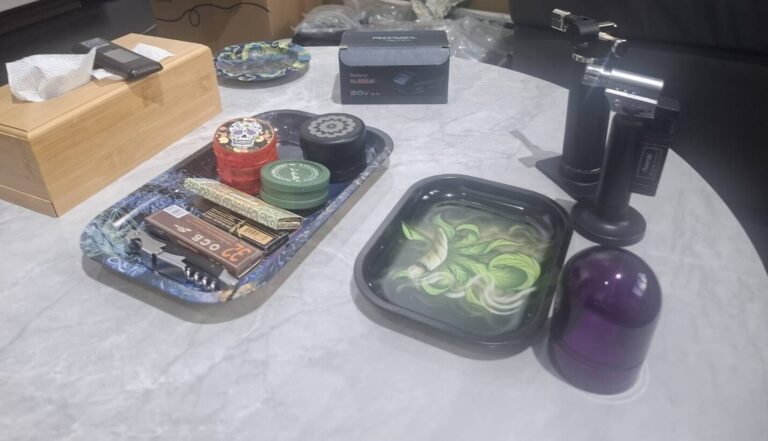
The FDA is coordinating with provincial public health offices to monitor the situation nationwide. Authorities will take legal action against businesses found violating the law.
Consumers who suspect illegal activity or have concerns about the safety of health products can contact the FDA hotline at 1556, email [email protected], or report cases to provincial public health offices nationwide.
Dr. Pongsathorn Phokphoemdi, director-general of the Department of Thai Traditional and Alternative Medicine, said the Ministry of Public Health had instructed the department to monitor and regulate cannabis outlets to ensure compliance with laws governing controlled herbs.
The monitoring will focus particularly on major tourist destinations, where large numbers of visitors could increase the risk of improper cannabis use.
Authorities aim to prevent health problems, restrict children’s and young people’s access to cannabis, and ensure that products and services meet legally required standards.
He urged all operators to strictly comply with relevant laws to maintain public confidence and protect the health and safety of residents and tourists.
He added that inspections were not merely law enforcement operations but also demonstrated the ministry’s commitment to preventing illegal activities that could harm public health and social welfare.
Central Investigation Bureau Commissioner Pol Lt Gen Nattasak Chaowanasai said cannabis had increasingly been used for purposes unrelated to medical treatment, with some operators mixing it into gummies, cookies, sweets and other food products to produce intoxicating effects.

He warned that colourful and attractive packaging could make such products appealing and easily accessible to children, young people and unsuspecting members of the public, potentially resulting in accidental consumption and serious health consequences.
He urged parents and the public to remain vigilant about cannabis-infused sweets, particularly products that could spread into communities or areas near schools.
Police will continue nationwide crackdowns and prosecute those involved to the fullest extent of the law.
Members of the public who encounter suspected violations can report them through the Consumer Protection Police Division hotline at 1135 or its Facebook page, “CPPD Consumer Protection Alert.”
KioskNews shows a cleaned-up reading view extracted from the publisher’s page — the original always lives on their site, not ours.