‘Does garlic really help lower cholesterol and triglyceride levels?’
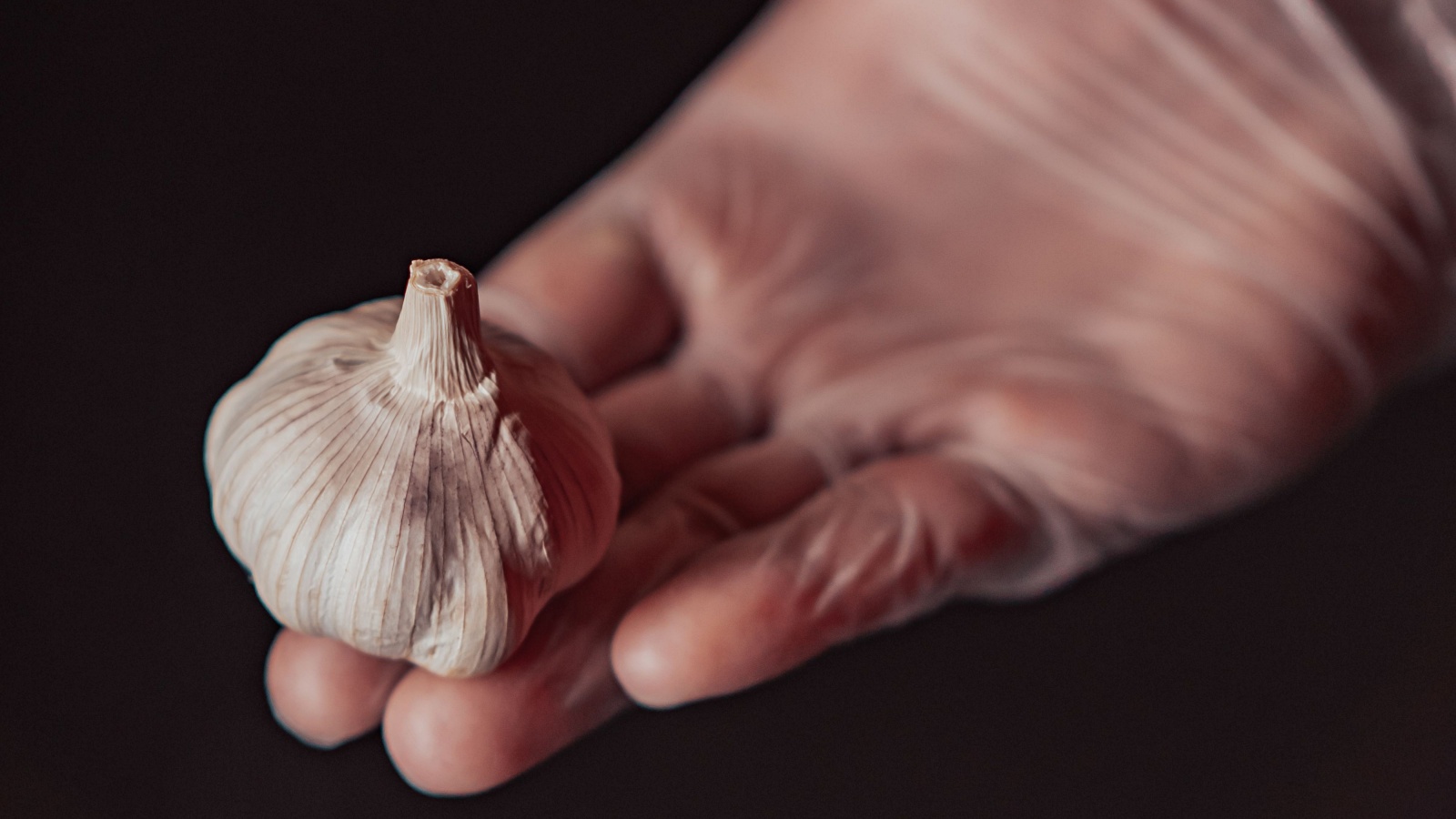
Garlic is a kitchen staple long associated with medicinal benefits. From eating raw garlic every morning to adding it to everyday meals, many people believe it can do more than just add flavour to their food. Some even claim it can dissolve cholesterol, clear blocked arteries or reverse fatty liver.
But how much of this is backed by science? Can eating garlic regularly actually lower LDL (bad) cholesterol and triglycerides? And does it offer any benefits for the liver?
An internet user recently raised a similar concern on Quora: Does garlic really help lower cholesterol and triglyceride levels, and how does this impact the liver?
The query made many a netizen curious. Intrigued, we reached out to Dr Rajiv Kovil, Diabetes and Obesity Specialist at Zandra Healthcare, to understand what scientific evidence says about garlic, its potential benefits and limitations, and whether it can replace cholesterol-lowering medication.
DISCLAIMER: This article is based on information from the public domain and/or the experts we spoke to. Always consult your health practitioner before starting any routine
Does garlic really lower LDL cholesterol and triglycerides?
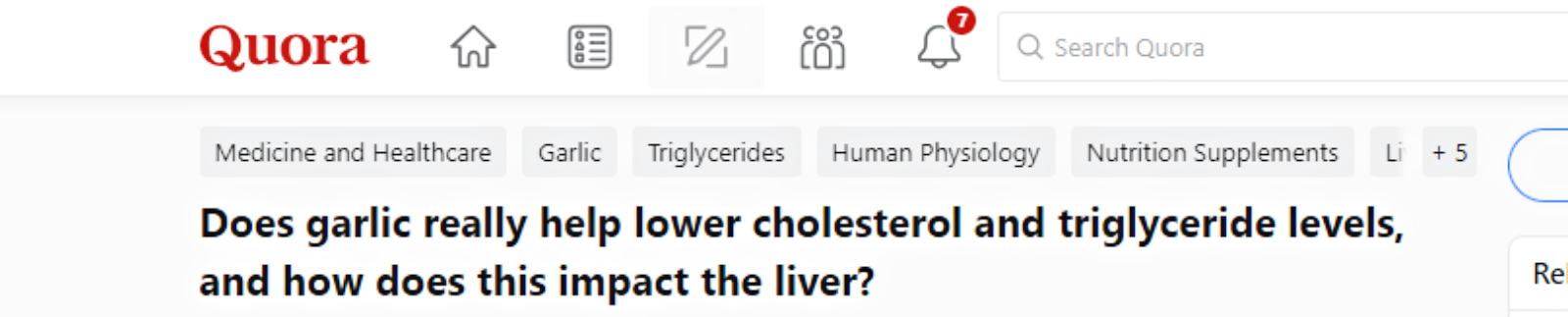 Screenshot of the query posted on Quora
“Scientific studies suggest that garlic preparations may produce a modest reduction in total cholesterol and LDL cholesterol, particularly in individuals with elevated baseline cholesterol,” Dr Kovil tells indianexpress.com.
However, the results vary considerably between studies because of differences in garlic preparations, dosages and duration of treatment. The evidence for triglyceride reduction is less consistent.
“The important distinction is that lowering cholesterol slightly does not automatically mean preventing heart attacks or strokes. Unlike statins, garlic has not demonstrated convincing cardiovascular outcome benefits in large, well-designed clinical trials,” he explains.
Garlic should therefore be considered a component of a healthy diet, not a substitute for proven cholesterol-lowering treatment.
How does garlic affect the liver? Can it reverse fatty liver?
The liver plays a central role in cholesterol synthesis, triglyceride production and fat metabolism. As Dr Kovil explains, garlic contains organosulphur compounds, including allicin and its derivatives, which have demonstrated antioxidant and metabolic effects in experimental studies.
Some laboratory and animal studies suggest that these compounds may influence cholesterol synthesis, fatty-acid oxidation and pathways involved in fat accumulation. Small human studies have also reported improvements in liver enzymes or measures of hepatic fat.
However, these findings are “preliminary” and insufficient to establish garlic as a treatment for metabolic dysfunction-associated steatotic liver disease (MASLD), commonly called fatty liver disease.
“There is no convincing clinical evidence that eating garlic can reverse liver fibrosis or prevent progression to cirrhosis,” says Dr Kovil.
For people with fatty liver, he emphasises that “sustained weight reduction, physical activity, metabolic risk-factor control and appropriate medical treatment like Inj Semaglutide & Tab Resmetirom remain far more important & have been approved for use.”
Is raw garlic better than cooked garlic or supplements?
When garlic is crushed or chopped, an enzyme called alliinase helps convert alliin into allicin, one of garlic’s important bioactive compounds.
“Heating can reduce alliinase activity, particularly with prolonged cooking. However, this does not establish that raw garlic produces better cholesterol outcomes in humans,” explains Dr Kovil.
Clinical trials have used garlic powder, aged garlic extract, garlic oil and other standardised preparations, with varying results.
“There is currently insufficient high-quality head-to-head evidence to conclude that raw garlic is clinically superior to cooked garlic or supplements,” he says.
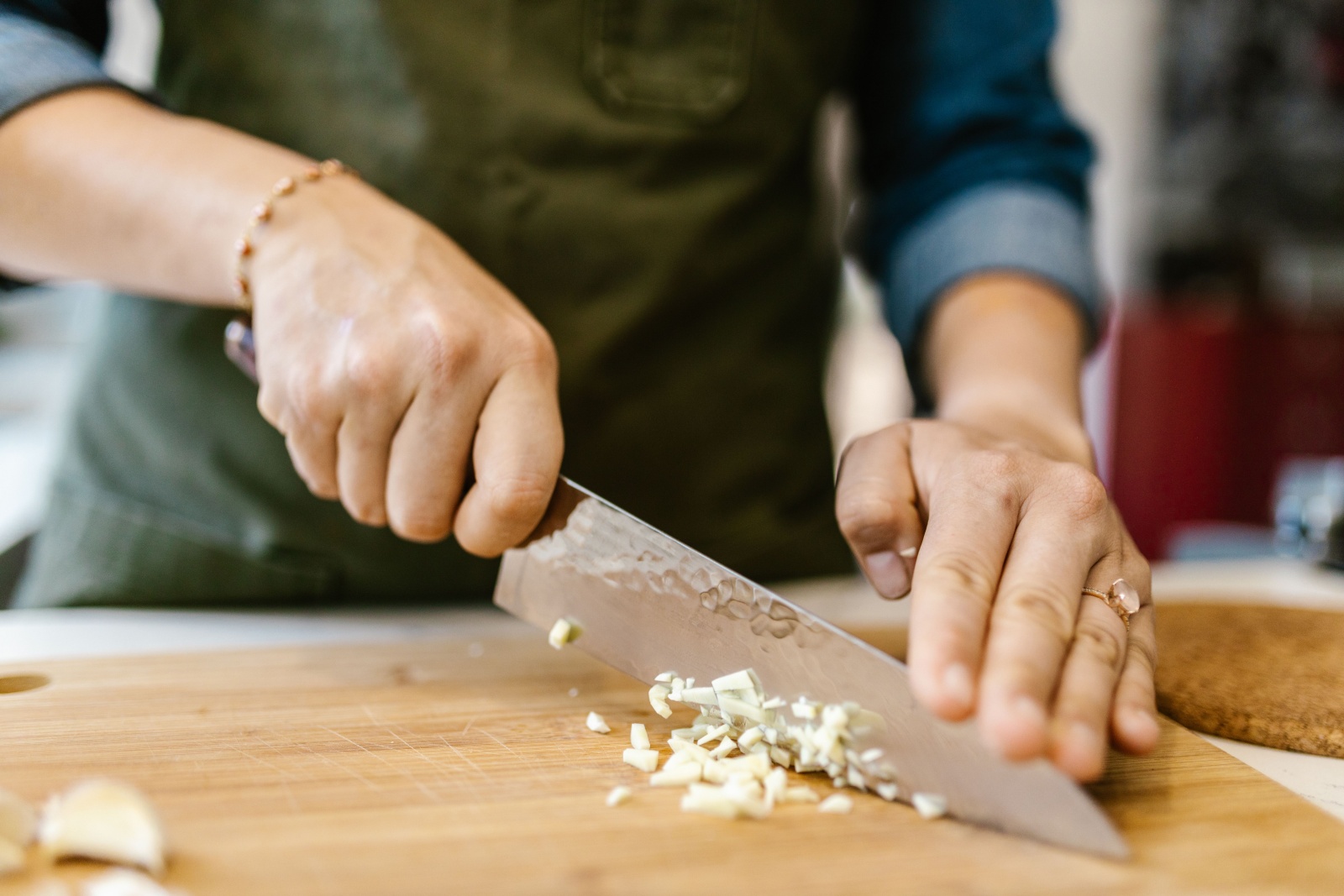 When garlic is crushed or chopped, an enzyme called alliinase helps convert alliin into allicin, one of garlic’s important bioactive compounds (Image: Pexels)
A 2025 meta-analysis of aged garlic preparations found an average LDL reduction of approximately 4.4 mg/dL, reinforcing that the benefits are generally modest.
“My advice would be to consume garlic as part of regular cooking rather than treating raw garlic or expensive supplements as medicinal necessities,” says Dr Kovil.
How much garlic should you consume, and can excess garlic be harmful?
“For most healthy adults, one or two cloves of garlic incorporated into daily meals is a reasonable culinary quantity, provided it is well tolerated. However, this is not a scientifically established therapeutic dose for cholesterol reduction,” says Dr Kovil.
He explains that research has generally evaluated garlic’s benefits over several weeks or months using specific standardised preparations. These doses cannot reliably be translated into a particular number of fresh garlic cloves.
Excessive consumption, especially of raw garlic, may cause acidity, heartburn, abdominal discomfort, nausea and bad breath.
But how much difference can garlic actually make to cholesterol levels?
“A large systematic review and meta-analysis involving over 7,000 people found that garlic reduced bad cholesterol (LDL) by an average of just 6 mg/dL and triglycerides by approximately 6 mg/dL,” explains Dr Kovil.
To put this into perspective, statins can reduce LDL cholesterol by 30–50% or more, depending on the drug and dose, and have conclusively reduced heart attacks and strokes.
“For someone with an LDL cholesterol of 160 mg/dL, garlic might lower it to around 154 mg/dL, whereas an effective statin regimen could bring it down to 80–112 mg/dL,” he says.
“Garlic may offer a small nutritional benefit, but comparing it with statins is like comparing a gentle push with a powerful engine.”
His concluding advice is simple: “Garlic is good for your food, but it cannot replace medicines that protect your heart.”
KioskNews shows a cleaned-up reading view extracted from the publisher’s page — the original always lives on their site, not ours.