Fit4Labour: New tool can identify risk of birth complications at very start of labour
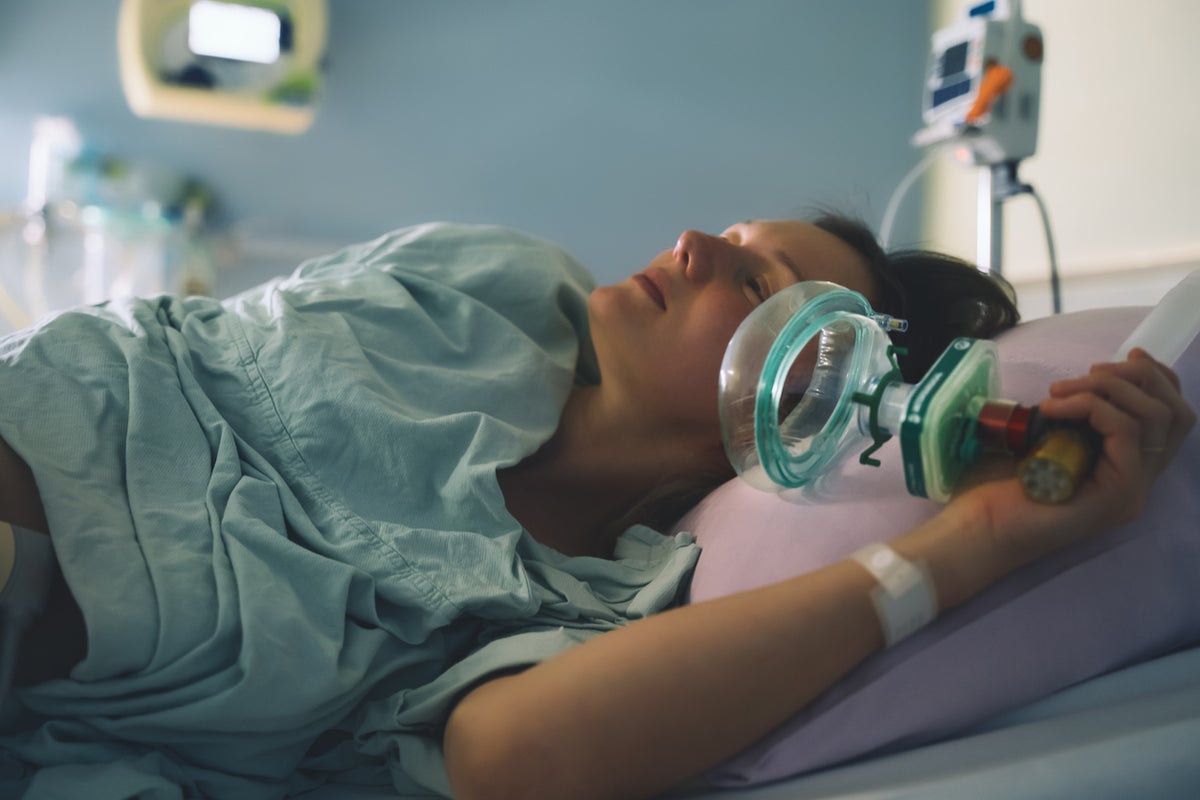
A new tool developed by Oxford University researchers can identify the risk of birth complications at the very start of labour.
Medical staff currently depend heavily on cardiotocography (CTG) readings of a baby's heart rate, though experts warn these are open to interpretation and exclude broader details, such as gestational age or underlying health conditions.
As a result, some higher-risk cases go undetected until late in labour, requiring emergency intervention like a Caesarean section.
The Fit4Labour tool addresses this by combining the first 20 minutes of standard CTG tracking with clinical data to evaluate the threat of severe delivery complications.
Professor Antoniya Georgieva, senior author and researcher at Oxford’s Nuffield Department of Women’s and Reproductive Health, said: “Our easy-to-use and reliable risk calculator can support obstetricians and midwives during the early stages of labour by providing an objective data-based assessment of each baby’s risk, helping to reduce variation in clinical assessment.
“Fit4Labour is a major improvement on today’s existing processes because it quantifies consistently and objectively, 24/7, what clinicians are already trying to do in their heads when combining clinical risk factors and foetal heart rate data.”

Midwives or doctors input CTG results into the application alongside the mother’s age, gestational stage, whether it is a first child, and conditions including diabetes or pre-eclampsia.
Published in The Lancet Digital Health, the study included data from more than 145,000 births at hospitals in Oxford and Cambridge, and four hospitals in Sweden.
The study included women who were monitored with CTG before the advanced stages of labour. They all delivered their baby within 24 hours of the first CTG.
On average, a Fit4Labour risk assessment was available more than eight hours before birth, meaning doctors and parents had an opportunity to plan for a safer birth, the study showed.
The data showed that labours classed as highest risk by Fit4Labour were between 2.5 and eight times more likely to result in problems for the baby than those in the lowest-risk group.
The model also identified labours more likely to require emergency Caesarean section.
Fit4Labour has already been used in the care of 90 women at two hospitals as part of research.
Mariana Tome, a research fellow in the department, said: “We have all been in the room when a CTG is ambiguous and everyone’s interpretation differs.
“Having an objective, reproducible risk estimate at labour onset could make a real difference to how we triage, communicate, and make decisions with families.”
Oxford said a dedicated spinout company, Safer Birth, is working with the NHS on wider use.
KioskNews shows a cleaned-up reading view extracted from the publisher’s page — the original always lives on their site, not ours.