500 snails mailed to Tahiti to reclaim their natural habitat
Breakthroughs, discoveries, and DIY tips sent six days a week.
By signing up, you confirm you are 16+, will receive newsletters and promotional content and agree to our Terms of Use and acknowledge the data practices in our Privacy Policy. You may unsubscribe at any time.
Staff at St. Louis Zoo in St. Louis, Missouri recently opened up a very special delivery in the mail: an overnight shipment of 500 adult Partula snails.
Their journey began at the Detroit Zoo in Royal Oak, Michigan, and it’s not quite over yet. The small invertebrates’ final destination is Tahiti, where they will be released into the wild as part of an international effort to reestablish wild populations of Partula snails.
“The snails are sent ‘priority overnight’ via either FedEx or UPS. The snails are carefully packed using insulating materials and special ‘phase change’ packs to stabilize the temperature inside,” Mark Vassallo, Curator of Amphibians at the Detroit Zoological Society, tells Popular Science. “Currently the Detroit Zoological Society bred snails are taking a pit-stop at St. Louis Zoo where they will be fed a special diet in order to prepare them for the wild.”
Partula snails are small, tree-dwelling native to islands in French Polynesia. In Polynesian cultural heritage, each unique Partula snail shell represents an island. When humans introduced the predatory rosy wolf snail to the region to manage another invasive snail species, it wrecked Partula snail populations.
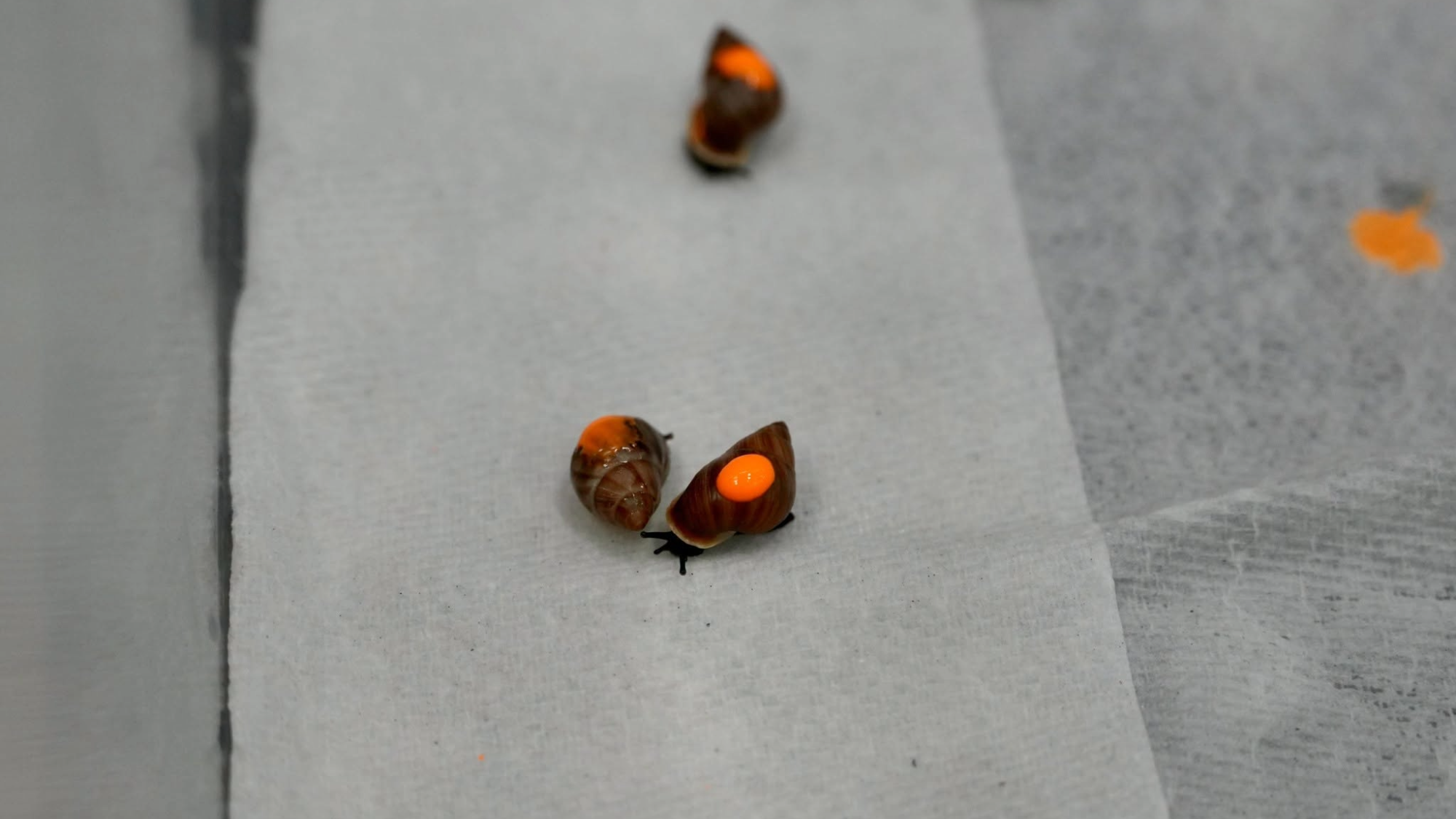
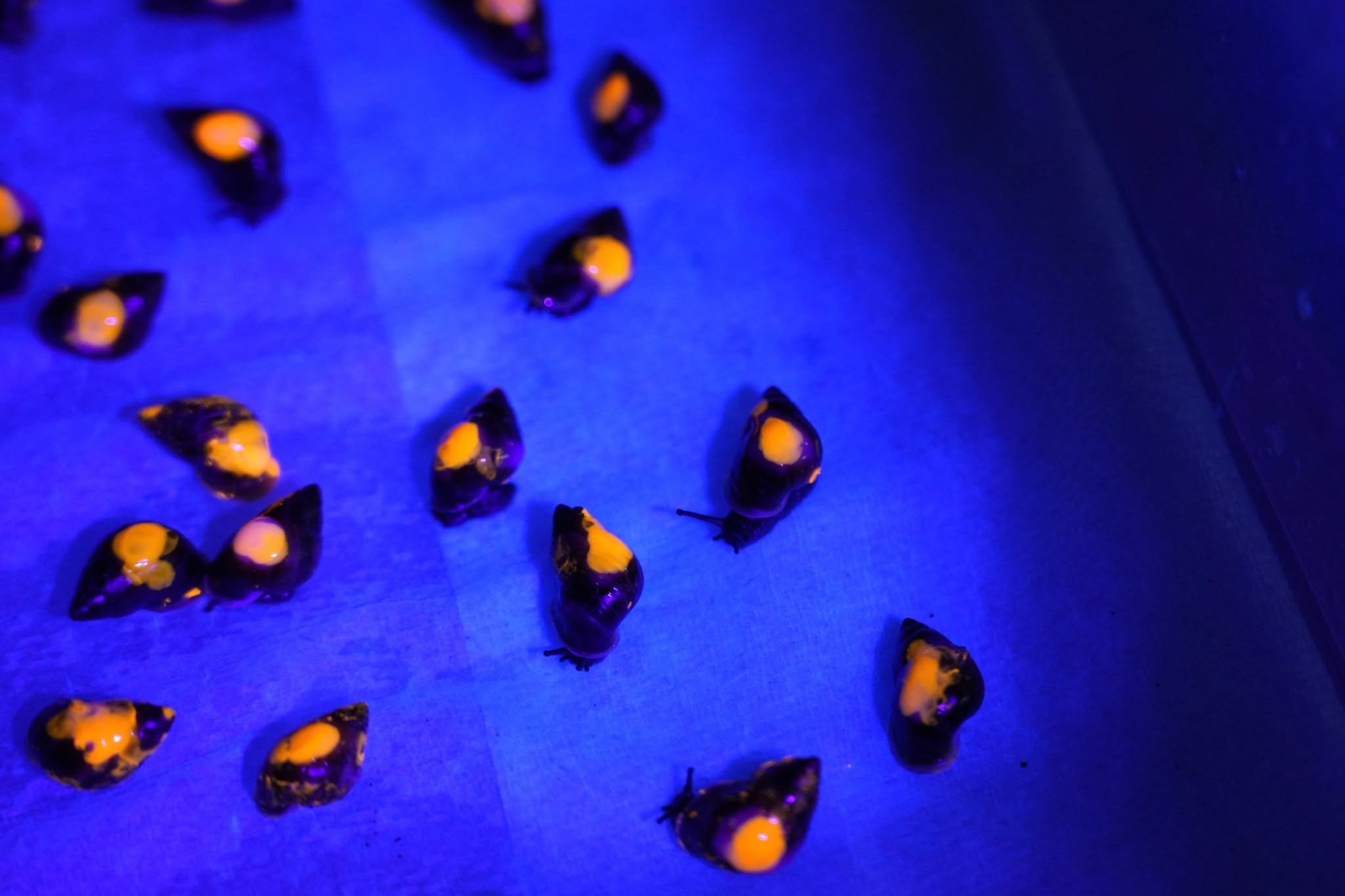
For decades, the Detroit Zoo has been breeding and raising Partula snails and helping return them to their native habitat by the thousands in Tahiti. In fact, the 500 en route right now were all bred at the zoo. Each of their shells features an orange dot of animal-safe paint that glows in UV light, which identifies them as one of the snails released in 2026. Each year has a different color, and the dots also allow conservationists to easily monitor them in their natural habitat.
This upcoming release is part of an international recovery program that has returned 11 different Partula species formerly deemed extinct in the wild to their native environments, consisting of over 17,000 individual snails. The Audubon Nature Institute in New Orleans, Louisiana, also recently sent 200 Partula snails to Tahiti.
When asked what “success” looks like, Vassallo explains that, “Success for a conservation project can be defined in stages but ultimately, a self-sustaining population with consistent reproduction and very importantly, proper habitat that is protected to sustain that species to allow long term recovery and stabilization of that population.”
Some species of Partula snails are already extinct in the wild, such as Partula nodosa. In the wake of reintroductions of the species, however, experts were excited to observe offspring born in the wild.
KioskNews shows a cleaned-up reading view extracted from the publisher’s page — the original always lives on their site, not ours.