10 Best Cable TV Shows Of All Time, Ranked

Ben Sherlock is a Tomatometer-approved film and TV critic who runs the massively underrated YouTube channel I Got Touched at the Cinema. Before working at Screen Rant, Ben wrote for Game Rant, Taste of Cinema, Comic Book Resources, and BabbleTop. He's also an indie filmmaker, a standup comedian, and an alumnus of the School of Rock.
Cable television occupied the interim between the heyday of classical broadcast television and the brave new terminally online world of streaming. Cable TV was the best of both worlds: it had all the prestige of a streaming show, but with the structure and punctuality of an old-school network show. Cable shows didn’t have the strict content restrictions of the traditional networks or the frustratingly short seasons and abrupt cancellations of the streamers.
All the old TV classics originated on the Big Four networks, and we’ve gotten plenty of modern classics from the streamers. But, from Game of Thrones to Mad Men, some of the greatest TV shows ever made aired on cable.
10 Game Of Thrones

When Game of Thrones ran out of books to adapt, and the writers had to go off George R.R. Martin’s loose story outlines (which they didn’t bother to flesh out at all), the show fell off a cliff. But the first few seasons before that still hold up as some of the finest television ever produced.
Game of Thrones was a crossover hit. It branched outside the niche of medieval fantasy fans to attract mainstream attention, because it told grounded, relatable, universally human stories underneath the spectacle of dragons and magic and bloody battlefields.
9 It's Always Sunny In Philadelphia

In the heyday of broadcast television, there’s no way a trio of struggling actors could walk into a network’s headquarters with a rough pilot they shot themselves on a $0 budget, and leave with a deal to make what would eventually be the longest-running sitcom in the history of American television. It’s Always Sunny in Philadelphia is a success story exclusive to cable.
It started out as “Seinfeld on crack,” but it quickly became a beast of its own. For 18 seasons across more than two decades, It’s Always Sunny has pushed the boundaries of decency, satirized the very worst of humanity, and been one of the funniest shows on TV.
8 Battlestar Galactica

Glen A. Larson’s original Battlestar Galactica miniseries from 1978 was a shallow humans-versus-robots space adventure, cashing in on the recent box office success of Star Wars. But Ronald D. Moore’s 2004 reimagining took the pieces of that original story and reshaped them into the definitive work of military science fiction.
With its tale of a neverending war between the human race and an enemy of its own making, Battlestar Galactica proved to be the perfect post-9/11 sci-fi commentary. It used the interstellar skirmish between the humans and the Cylons to critique the then-ongoing War on Terror.
7 Deadwood

Along with The Sopranos and The Wire, Deadwood is the unsung third member of HBO’s holy trinity. Together, in the early 2000s, those three shows demonstrated what makes HBO different: morally gray characters, cinematic visuals, envelope-pushing subject matter, and a gritty and realistic take on a well-worn genre (gangsters, cop shows, and TV westerns, respectively).
Deadwood is as brilliant as it is brutal and bloody. It’s a painstakingly accurate historical account of the titular town’s evolution, but creator David Milch tells that story through the tragic lives of fascinating human characters.
6 Breaking Bad
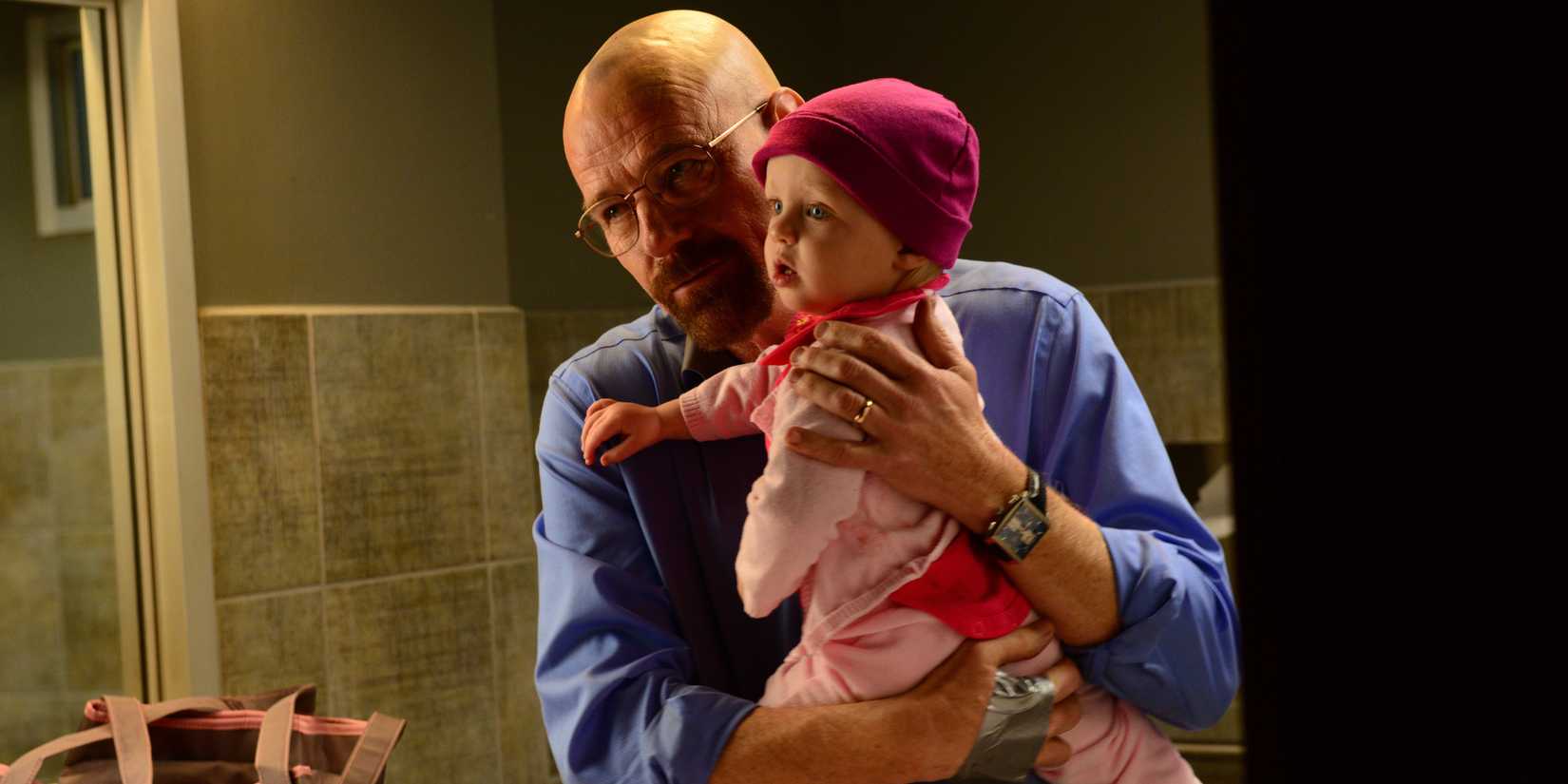
Vince Gilligan changed the way that stories could be told on television with Breaking Bad. Rather than following an endless episodic format with a repeatable status quo, Breaking Bad set up a serialized narrative with a clear endgame. It opens with its lead character being diagnosed with cancer, and embarking on a life of crime to pay his medical bills and posthumously provide for his family.
From the very first episode, Breaking Bad was racing toward that endgame. Gilligan used 63 episodes across five seasons to gradually chart Walter White’s transformation from a mild-mannered suburban family man to a notorious drug lord with a formidable body count and a wife and son who hate him.
5 Curb Your Enthusiasm

After perfecting the multi-camera sitcom with Seinfeld, Larry David completely reinvented the TV comedy in Curb Your Enthusiasm. He threw out the laugh track, the rigid three-camera setup, and the meticulously scripted dialogue in favor of awkward silences, vérité-style single-camera shooting, and fully improvised dialogue.
David wrote a razor-sharp story outline for each episode, filled with ingeniously ironic twists and turns, and assembled a murderer’s row of improvisers to bring each scene to life. Curb blurred the line between fiction and reality by casting half his actors to play exaggerated versions of themselves.
4 Mad Men
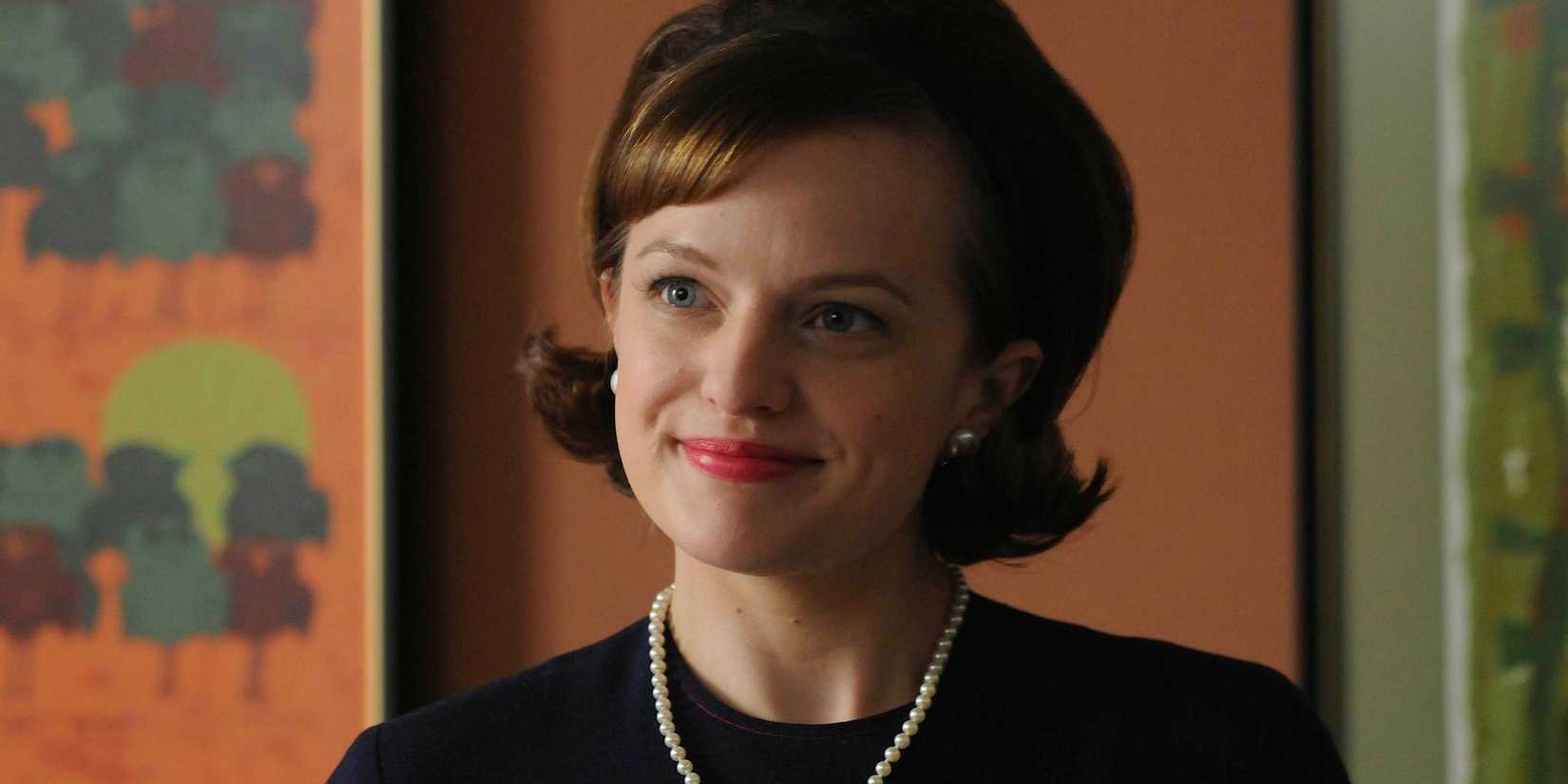
The writing in Mad Men is so nuanced and layered and complex that you have to watch it two or three times just to fully appreciate it. The characters are constantly lying to each other, either directly or indirectly, and even lying to themselves, and the writers highlighted these internal contradictions in beautifully subtle ways.
The premise of Mad Men doesn’t sound very exciting on paper: a bunch of ad executives in the 1960s smoke, drink, and pitch commercial campaigns. But in execution, thanks to the sharpness of the storytelling and the cast’s lifelike performances, it’s as riveting as a more action-packed show.
3 Better Call Saul
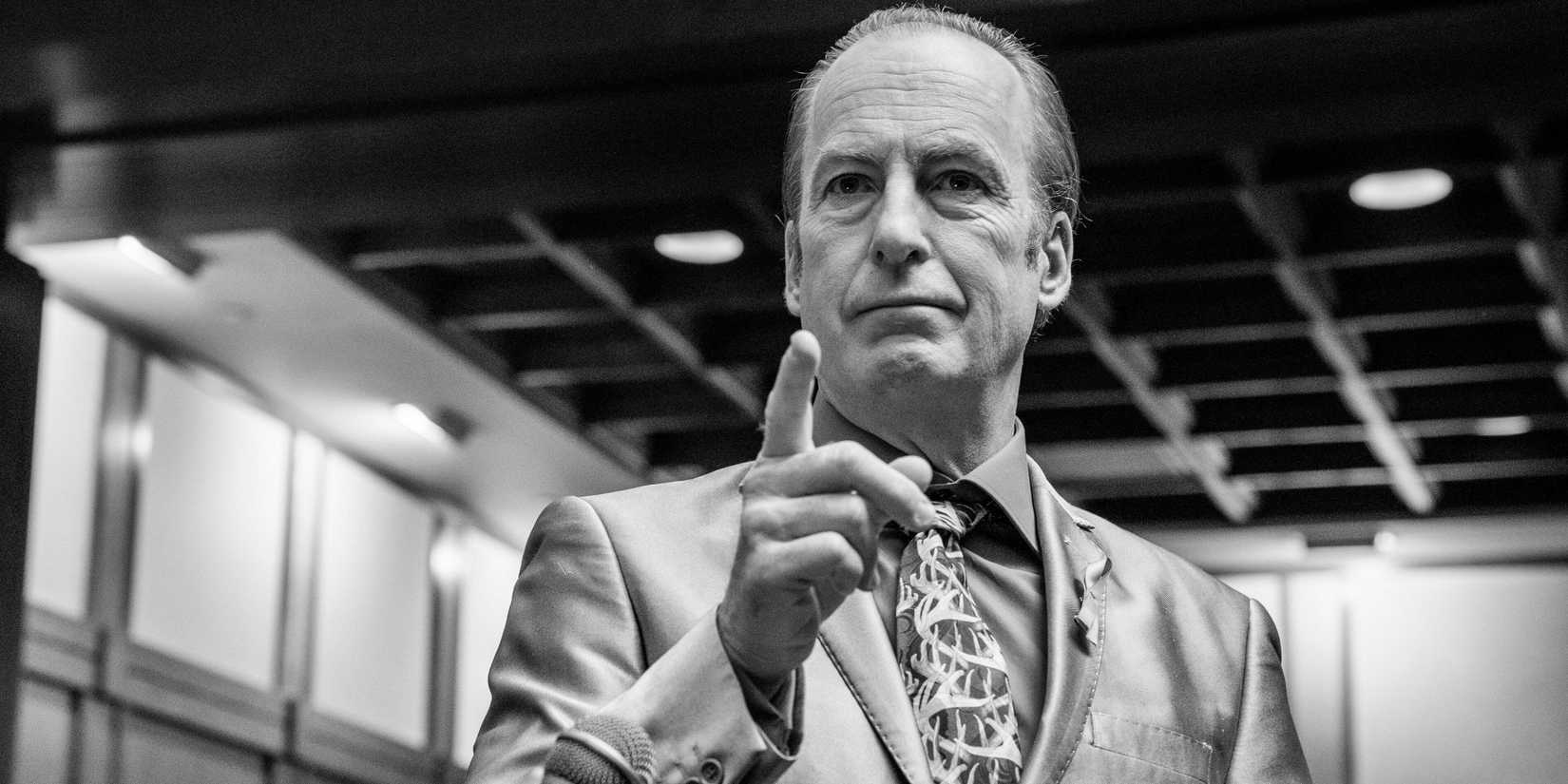
After changing the game with Breaking Bad, Gilligan teamed up with Saul Goodman creator Peter Gould to deliver one of television’s only superior spinoffs. Better Call Saul is another probing psychological character study like Breaking Bad, this time focusing on Walt’s *criminal* lawyer.
Once-wayward attorney Jimmy McGill turned out to be every bit as complicated and three-dimensional and fundamentally broken as his most infamous client, and maybe even more so. Bob Odenkirk pulled off the same magic trick as his predecessor Bryan Cranston, compounding his well-established comedic talents with previously unseen dramatic depth.
2 The Sopranos

David Chase singlehandedly kicked off the Golden Age of Television with his creation of The Sopranos. Industry wisdom dictated that protagonists had to be likable, but Chase realized that audiences would keep following an unlikable character as long as they were interesting, and Tony Soprano was born.
Tony is a murderous mob boss who will gladly garrotte a gangland rival in broad daylight, but he’s also a loving father who will take his daughter on all the college tours she wants. He’s not a good guy, but he was fascinating enough to keep watching for the better part of a decade.
1 The Wire
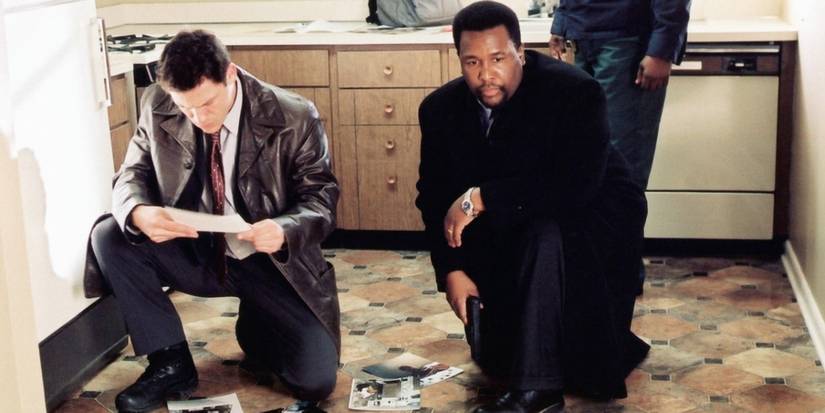
The Wire isn’t just the greatest show on cable; it’s arguably the single greatest achievement in the history of television. David Simon turned his years of experience as a crime reporter in Baltimore into the most realistic cop show ever made, and a searing social critique of corruption in the American city. The Wire threw the case-of-the-week format of classic crime procedurals out the window, and instead depicted painstaking police procedures in all their frustration. Real-life detectives don’t catch the bad guy within the hour; it can take years to build a case against a criminal figure like Avon Barksdale or Marlo Stanfield.
Each season tackled a different broken institution in the United States — the media, the public school system, the government as a whole — and showed us how it impacts the lives of real people. The Wire has a documentary-like sense of realism, and it’ll teach you a lot about the class divide and the cracks in American society. But at the same time, it’s not just a dull, dry exercise in civic education. It’s still a delightfully entertaining TV show, with lovable characters on both sides of the law and sumptuously stylish dialogue (including an entire scene where the only spoken word is “f***”).
KioskNews shows a cleaned-up reading view extracted from the publisher’s page — the original always lives on their site, not ours.