Singapore passes tougher anti-haze laws, fines to increase 10 times against offenders
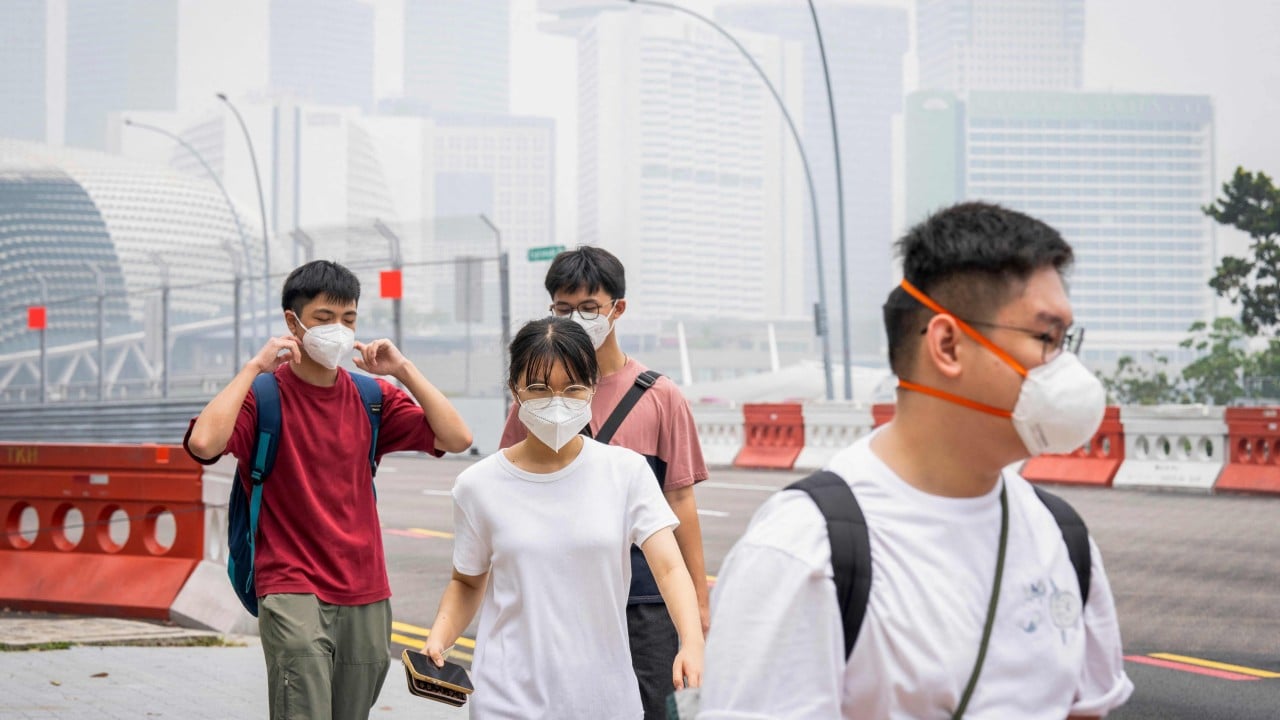
Singapore’s parliament on Wednesday passed tougher penalties against companies responsible for forest fires in Indonesia, including curbs on related business dealings, as the city state doubles down on enforcement following one of its worst haze episodes in more than a decade.
The amended Transboundary Pollution Haze Act will see penalties on such companies increase tenfold to a maximum fine of S$1 million (US$780,000) a day, capped at a total of S$20 million.
The Act has been invoked twice since its enactment in 2014, and no fine has been imposed so far. In 2015, Singapore issued notices to six companies, with two cases closed and four ongoing. Last month, the city state issued notices to 10 Singapore-based companies to seek documents and information related to the latest forest fires.
“Following the recent haze episode, it is clear that the status quo is not tenable,” said Minister for Sustainability and the Environment Grace Fu, who presented the bill.
“We need better ways to obtain and verify information, trace corporate relationships and impose meaningful consequences on errant entities, even where criminal prosecution proves difficult,” she said, adding that the amendments aimed to help authorities better establish accountability and mete out penalties.
In a bid to increase financial consequences, Singapore will also be given the power to restrict business dealings with designated firms, including those guilty of or suspected of breaching the law.
Companies doing business with designated firms – such as supplying or purchasing goods and providing financial help – could be fined up to S$1 million for each offence, with an additional fine of up to S$100,000 a day for non-compliance.
The new bill will allow Singapore to hold firms accountable for contributing to fires abroad that could potentially cause Singapore to experience haze, even if smog has not reached the city state.
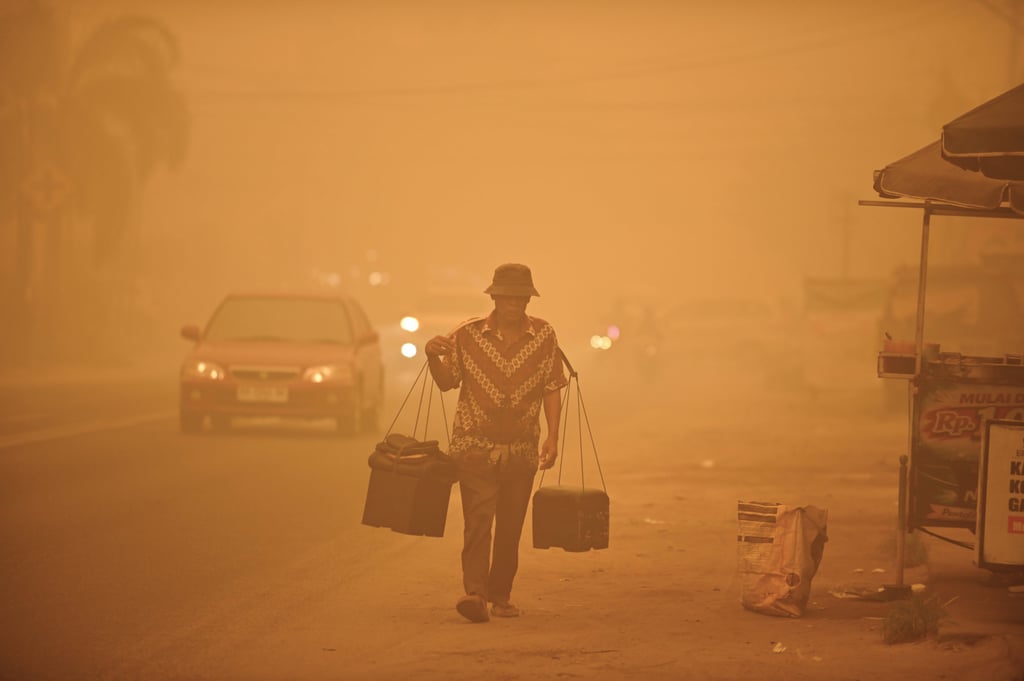
Fu said: “The changes we are proposing will not guarantee successful prosecutions, nor will legislation alone solve the transboundary haze problem, but they will strengthen our ability to act to protect Singaporeans.”
Alan Tan, a law professor at the National University of Singapore, said the new amendments were unlikely to be a “quick fix” and pointed out potential roadblocks, such as requiring cooperation from Indonesia to pinpoint responsible firms with confidence.
Singapore authorities would likely be cautious when invoking the law as it could prove risky, said Tan, who has researched Indonesia’s forest fires for two decades. He noted that it remained unclear if evidence from Jakarta, such as plantation maps and whistle-blower accounts, could be obtained to prove a firm was guilty of intentionally starting fires.
“And if any prosecution fails for this reason, it could signal that the Act is futile ... Practically, they are likely to proceed only against those companies which the Indonesian authorities have themselves identified and charged as perpetrators with the relevant evidence.”
Joseph Chun, a partner at law firm Shook Lin & Bok, said whether the increased penalties would raise deterrence would depend on the errant firms’ annual revenues and the perceived likelihood of being convicted.
“That said, there are reputational consequences even if the maximum fines are not a financial deterrent as such,” he added.
The amendments provided additional mechanisms for Singapore to investigate and penalise firms, said Chun. However, there are potential roadblocks, including judgments and penalties imposed in Singapore being unenforceable against firms whose assets are entirely abroad, according to Chun.
01:15
Singapore runners swap streets for a shopping centre as haze chokes city state
Over a dozen lawmakers debated the bill, which was fast-tracked after President Tharman Shanmugaratnam issued a rare Certificate of Urgency allowing it to be debated and passed within a single parliament session.
People’s Action Party MP Poh Li San said the amendments would give Singapore “sharper teeth” but might risk affecting relations with neighbouring countries and the city state’s pro-business environment. But Singapore had to do “what is right” despite such inevitable consequences linked to a stricter law, she added.
Workers’ Party MP He Ting Ru urged greater transparency and accountability measures such as requiring banks to report reviews and actions taken on clients linked to haze incidents.
Reports by assessors should also be made public so firms would be wary of reputation costs and consumers could make purchasing decisions, she said.
Several lawmakers urged greater bilateral and regional cooperation to tackle the haze, suggesting the development of more effective information-sharing systems.
Fu on Tuesday said Singapore would work together with fellow Asean members in 2027 to strengthen the implementation of a haze agreement, tackle the causes of transboundary haze, such as peatland management and crop burning guidelines, and establish a coordinating centre.
Singapore will take over from the Philippines as chair of the 11-member bloc next year.
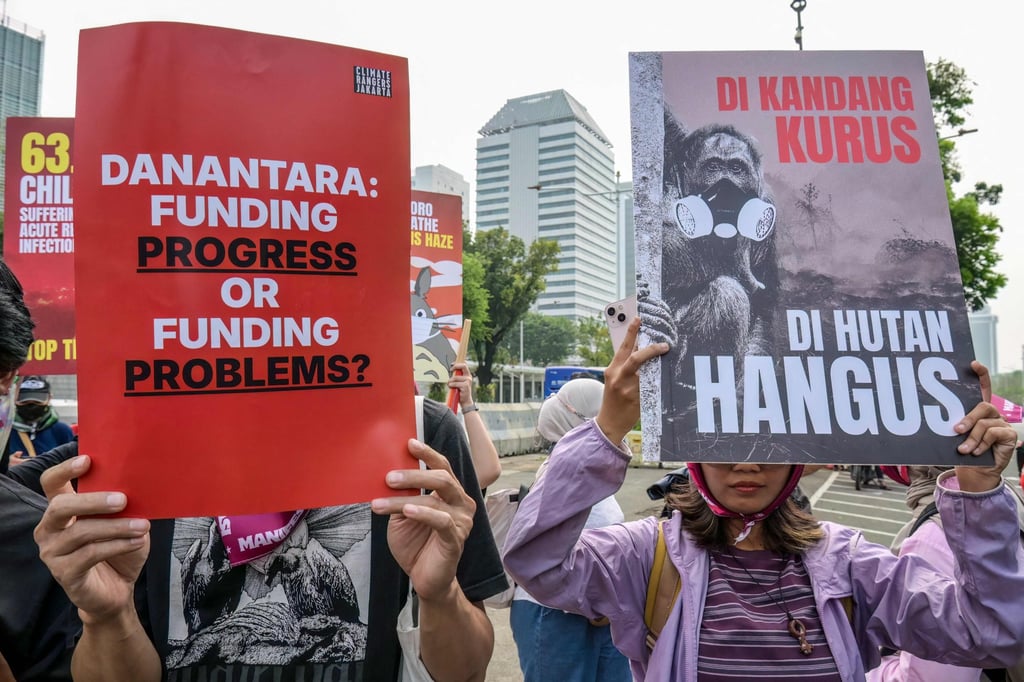
Last Tuesday, Singapore Foreign Minister Vivian Balakrishnan met his Indonesian counterpart Arrmanatha Nasir in Jakarta and announced the establishment of a joint task force to investigate companies linked to haze-creating forest fires in Indonesia.
Tan of NUS said the task force would ideally allow both countries to share evidence and take separate but coordinated action against errant firms.
“Otherwise, any unilateral action that Singapore takes could be politically controversial for the Indonesians, and worse, may not actually stop the burnings from recurring.”
KioskNews shows a cleaned-up reading view extracted from the publisher’s page — the original always lives on their site, not ours.