The Arduview might be the ultimate tribute to retro translucent gadgets
Sam Rutherford for Engadget
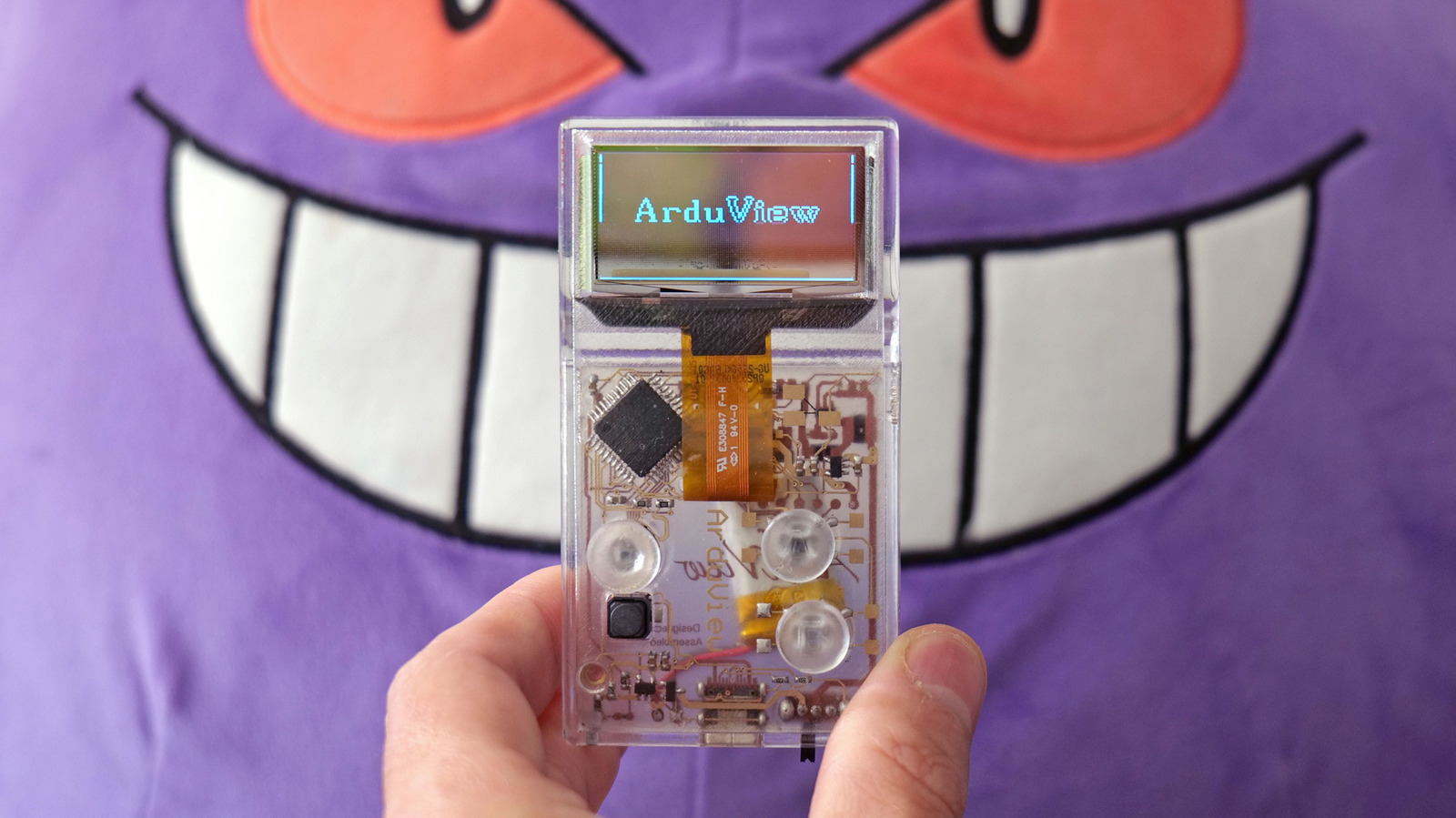
As someone who grew up in the 90s and early 2000s, there's just something about translucent gadgets that tugs at the heartstrings. Sadly, despite the best efforts of companies like Nothing and Analogue, I'm afraid the heyday for atomic purple, glacier blue or even basic clear plastic consoles is largely behind us. But that's exactly what makes the Arduview so fun, because as an homage to retro gaming gear with fun see-through chassis, this thing has taken translucency to a whole new level.
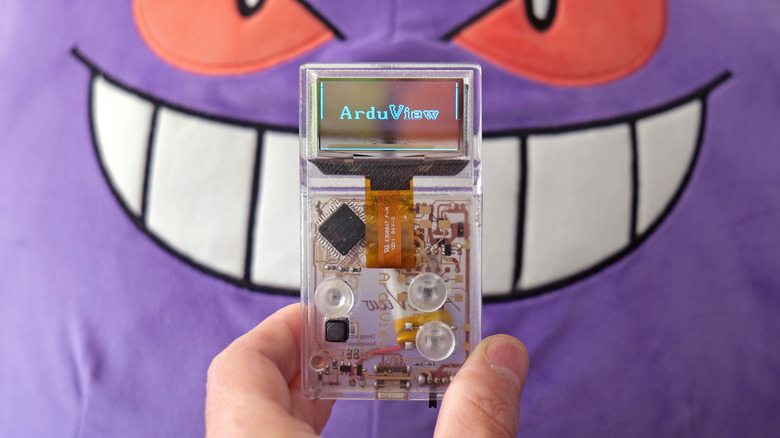
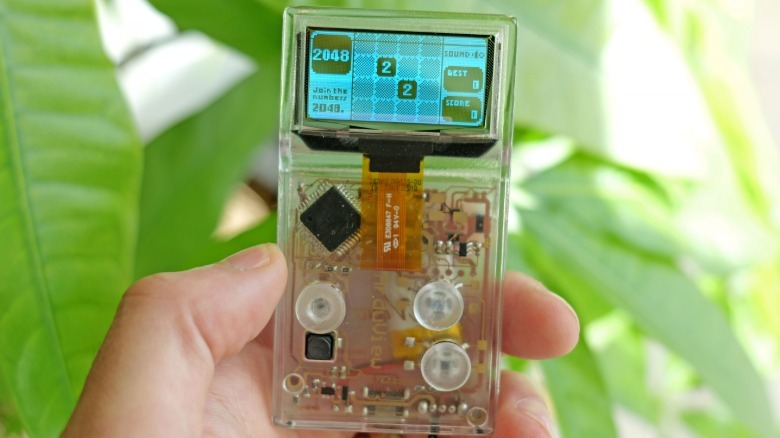
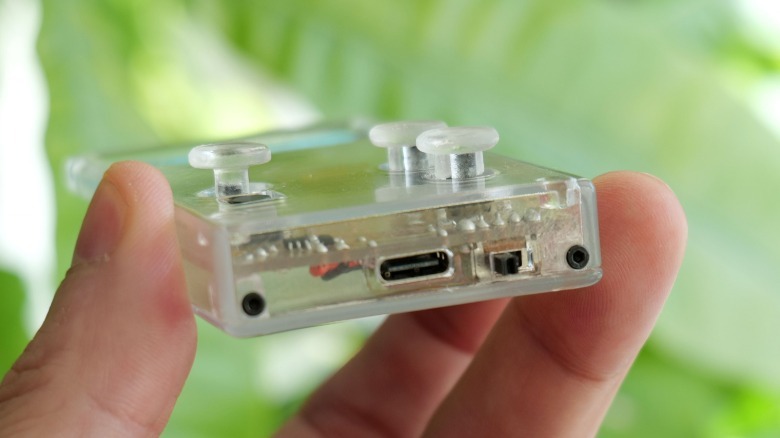
The folks behind the Arduview are calling it the world's first transparent game console (it even says so when you first boot it up), but that designation feels like a bit of a stretch as certain parts of it are more opaque than others. That's sort of splitting hairs because this thing certainly evokes the look of a lot of retro gadgets. The big difference though is that instead of just the case being translucent, almost every major component is see-through. That includes the buttons, the joystick, the PCB and most notably, even the display. They're all clear to some extent.
 Sam Rutherford for Engadget
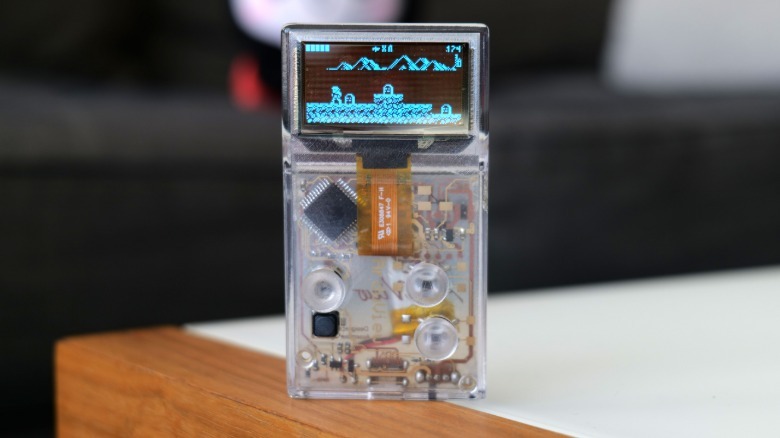
Obviously, the most impressive component on the handheld is its 1.51-inch display. With a resolution of just 128 x 64, it's not very hi-res. But that's okay, because the original Game Boy wasn't super sharp either and the limited number of pixels feels just right on a system with just 16MB of storage. Furthermore, its screen is the most transparent part of its design, which you might think would make it hard to use. But the brightness is so good that even when I used it in a sunny room, I didn't have trouble seeing what I was doing.
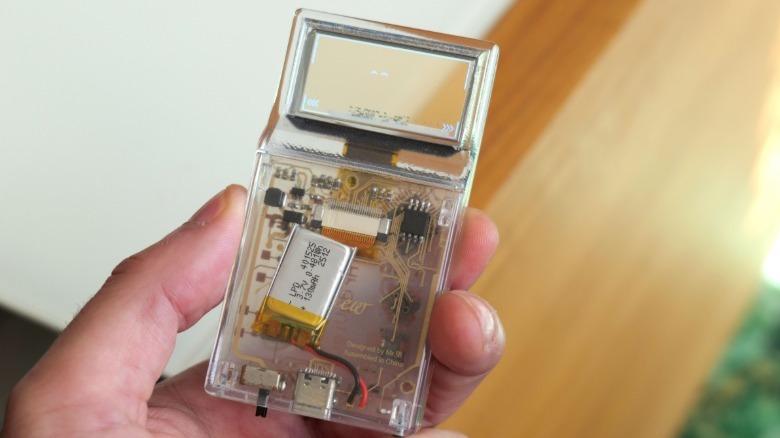
As for the rest of the handheld, the Arduview is based on the open-source Arduboy project and comes with an 8-bit ATmega32U4 chip, a 120mAh battery and a USB-C port for charging. There's no audio jack, but there is a tiny built-in speaker, though unfortunately, on my pre-production unit, the sound didn't work. All together, it's a cute little system that weighs just 50 grams and is smaller than the size of a credit card, so it's super easy to take pretty much anywhere. That said, the keychain clip the company shows in the promo video is an optional extra.
 Sam Rutherford for Engadget
For its software, the Arduview comes with the same selection of titles available on a regular Arduboy, which in this case consists of more than 300 pre-loaded games. Given the Arduview's limited resolution and performance, it probably won't come as a surprise that most of them are pretty simple. Some, like Castleboy, are homebrew knock-offs of more well known franchises like Castlevania, while others, such as Circuit Dude, are essentially reworks of classics like Chip's Challenge. Nothing I've played is super deep, but that's not a big deal as this thing feels like it's meant to be a simple timewaster with a larger assortment of quick 8-bit games than your primary handheld console.
 Sam Rutherford for Engadget
Because the model I tested isn't a full production-ready unit, I'm not doing a full review. That said, the one small issue I noticed early on (aside from the lack of sound) is that the joystick and buttons are pretty stiff and rather loud. It became distracting for my wife who was watching TV next to me while I was playing games.
 Sam Rutherford for Engadget
As the Arduview is launching on Kickstarter (pledges start at around $75 for initial packages), it's important to remember that backing the campaign doesn't guarantee that you'll eventually get a device. That said, the project has already met its goal and that company has been able to send out a handful of pre-production units like the one I've tried, so supporting the Arduview doesn't feel quite as risky as backing other endeavors. As a tribute to all of the retro consoles and handhelds that came before though, I appreciate that the Arduview is keeping the spirit of translucent gadgets alive.
KioskNews shows a cleaned-up reading view extracted from the publisher’s page — the original always lives on their site, not ours.