Banks, research institutions see Budget 2027 balancing growth, household support and fiscal discipline
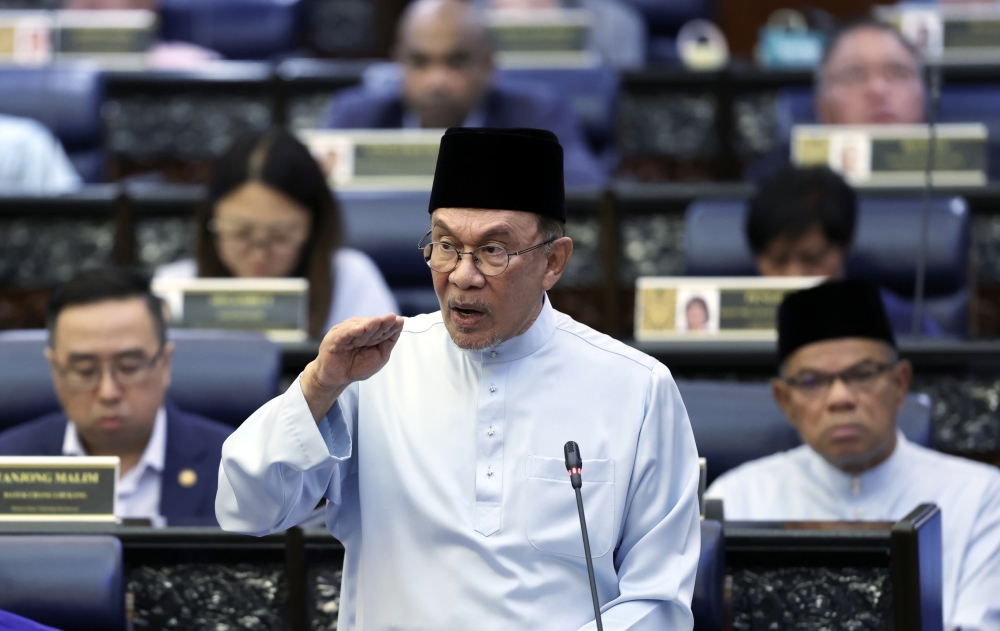

Prime Minister Datuk Seri Anwar Ibrahim, who is also Finance Minister, tables Budget 2027 in the Dewan Rakyat in Kuala Lumpur on October 9, 2026. — Bernama pic
First Published: Saturday, 10 Oct 2026 11:22 AM MYT
KUALA LUMPUR, Oct 10 — Budget 2027 strikes a balance between supporting economic growth, easing cost of living pressures and maintaining fiscal discipline, while strengthening Malaysia’s investment ecosystem and long-term economic resilience, according to industry players and research institutions.
AmBank Group chief executive officer Jamie Ling described Budget 2027 as a practical plan to sustain growth in a challenging global environment.
“This is a budget of disciplined continuity. It supports growth without losing sight of fiscal responsibility. It also gives households and businesses greater confidence to plan, spend and invest,” he said.
Ling said higher cash assistance, tax relief and wage-related measures should help protect household purchasing power and support private consumption.
He also highlighted investment measures covering strategic sectors, venture and mid-tier funds, digital infrastructure, energy transition and the Johor-Singapore Special Economic Zone, saying these initiatives could deepen Malaysia’s role in regional supply chains and attract higher-value investments.
UOB Malaysia said the newly announced budget reflects a pragmatic balance between supporting growth, competitiveness and sustainability with fiscal responsibility.
“We are encouraged by the government’s continued commitment to strengthening Malaysia’s investment ecosystem through strategic investments in infrastructure, digitalisation, high-value industries and energy transition, which will enhance the country’s long-term competitiveness and attractiveness to investors.
“The budget also provides timely support for the business community through targeted tax measures, investment facilitation, improved access to financing, small and medium enterprises (SMEs) development and the expansion of strategic cross-border economic corridors,” it said.
Moody’s Ratings senior ratings associate Arjun Khaitan said Budget 2027 balances additional support for households facing higher energy and living costs with continued fiscal consolidation.
He said Malaysia’s strong economic performance and improving fiscal position provide capacity to absorb higher energy-related fiscal costs.
However, Khaitan said additional support measures and pre-election spending pressures could limit the pace of fiscal consolidation next year, although Moody’s expects the government to maintain its medium-term commitment to a fiscal deficit of three per cent of GDP.
At the same time, higher contributions from Petroliam Nasional Bhd (Petronas), continued subsidy rationalisation and improved spending efficiency would help mitigate these challenges and support fiscal consolidation.
Khazanah Research Institute (KRI) said Budget 2027 comes at a time when geopolitical tensions, higher energy prices and disruptions to global supply chains are putting pressure on households, businesses and public finances.
It said strengthening Malaysia’s capacity to absorb external shocks would be crucial in maintaining household well-being and ensuring the government retains sufficient fiscal space to respond to future disruptions.
On business competitiveness, KRI said targeted support for domestic semiconductor and manufacturing firms, alongside better access to financing, digitalisation, innovation and market expansion could strengthen local capabilities and reduce dependence on trade-exposed foreign direct investment. — Bernama
KioskNews shows a cleaned-up reading view extracted from the publisher’s page — the original always lives on their site, not ours.