6 Great Survival Movies To Watch If You Like Heart Of The Beast

Senior Music Editor at Screen Rant, Sarah's love of sound and story drive the beat. A globetrotting brand whisperer and award-winning journalist, she’s built cross-cultural narratives around the world—but music has always been her true north. She launched DJ Mag North America, successfully introducing the iconic UK brand to the U.S. market. Previously, she carved a space for EDM inside the pages of VIBE, blending electronic and hip-hop culture long before it was trendy.
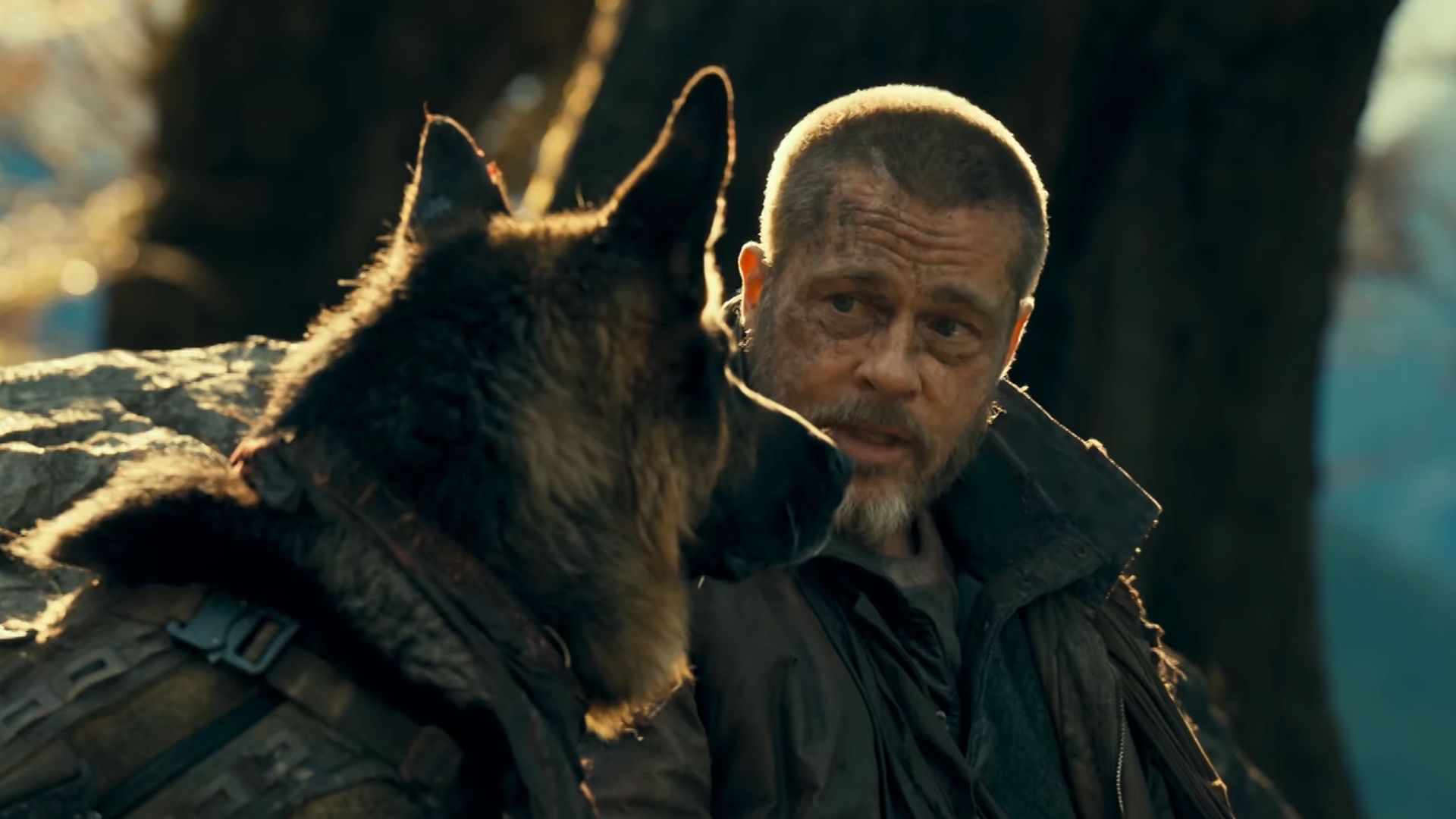
Brad Pitt has spent plenty of time putting himself in dangerous situations onscreen, but Heart of the Beast strips survival down to something much more primal. Directed by David Ayer, the adventure thriller strands Pitt’s James Belmont and his combat dog, Odin, deep in the Alaskan wilderness after a plane crash, leaving the pair to battle the elements while making their way back to civilization.
The wilderness survival genre has always worked best when the danger feels immediate. A freezing night, a serious injury, or simply running out of food can become as frightening as any conventional movie villain. That is also why survival thrillers like Fall 2: Deadpoint remain so effective: remove the easy escape route, and even one bad decision can become deadly.
Heart of the Beast adds another layer by making the relationship between James and Odin central to that struggle. Their dependence on each other gives the ordeal an emotional weight beyond simply watching somebody try not to die.
Fortunately, survival movies have produced some terrific variations on that formula. Some strand their characters after catastrophic accidents, while others send them voluntarily into places where nature quickly proves far less forgiving than expected. From frozen tundra to remote mountains, these six movies offer plenty to watch after Heart of the Beast.
The Grey

Of all the movies on this list, The Grey may be the easiest recommendation for anyone who walks out of Heart of the Beast wanting more. Liam Neeson stars as John Ottway, a sharpshooter working at an Alaskan oil facility who finds himself among a small group of survivors after their plane crashes in the wilderness. Freezing temperatures are only the beginning of their problems, as the men soon realize a pack of wolves is tracking them.
Director Joe Carnahan turns the vast landscape into something deeply claustrophobic. There may be miles of open space around the survivors, but every direction offers another possible way to die. Neeson also gives the movie more emotional heft than its man-versus-wolves premise suggests, which helps explain why The Grey remains a regular fixture among great wilderness survival movies more than a decade later.
Society Of The Snow

J.A. Bayona's Society of the Snow dramatizes the extraordinary true story of Uruguayan Air Force Flight 571, which crashed in the Andes in 1972. The survivors are left high in the mountains with little food, almost no protection from the cold, and no certainty that rescuers will ever find them.
What separates Society of the Snow from many survival movies is its emphasis on collective endurance. There is no lone action hero capable of solving every problem. Staying alive requires cooperation, sacrifice, ingenuity, and increasingly impossible decisions as days become weeks. The story had previously been dramatized in 1993's Alive, but Society of the Snow and Alive approach the Andes disaster very differently, making Bayona's version far more than another retelling.
The Revenant
Few survival movies make physical suffering look quite as brutal as The Revenant. Leonardo DiCaprio stars as frontiersman Hugh Glass, who is mauled by a bear and left for dead by members of his hunting party. Barely able to move, Glass must drag himself through the American wilderness while battling horrific injuries, hunger, freezing conditions, and hostile terrain.
Alejandro González Iñárritu's Oscar-winning movie is considerably darker than Heart of the Beast, but both films understand the dramatic power of watching a highly capable man reduced to basic survival instincts. Glass' determination is fueled partly by revenge, yet some of the movie's most memorable passages need very little dialogue at all. It is easy to see why The Revenant continues to appear whenever the greatest wilderness survival movies are discussed.
Arctic

Arctic takes minimalism seriously. Mads Mikkelsen plays Overgård, a pilot already stranded somewhere inside the Arctic Circle when the movie begins. He has established an impressively disciplined routine involving fishing, signaling for rescue, and carefully rationing his resources. Then an attempted rescue goes disastrously wrong, forcing him to decide whether remaining at his relatively safe camp is still his best chance of survival.
Mikkelsen carries long stretches of the film with little dialogue, making every decision feel significant. A map, a damaged piece of equipment, or a change in weather can suddenly determine whether Overgård lives another day. That stripped-down approach makes Arctic especially effective for viewers who enjoy survival movies built around isolation and extreme environments, where knowledge and endurance matter at least as much as brute strength.
127 Hours
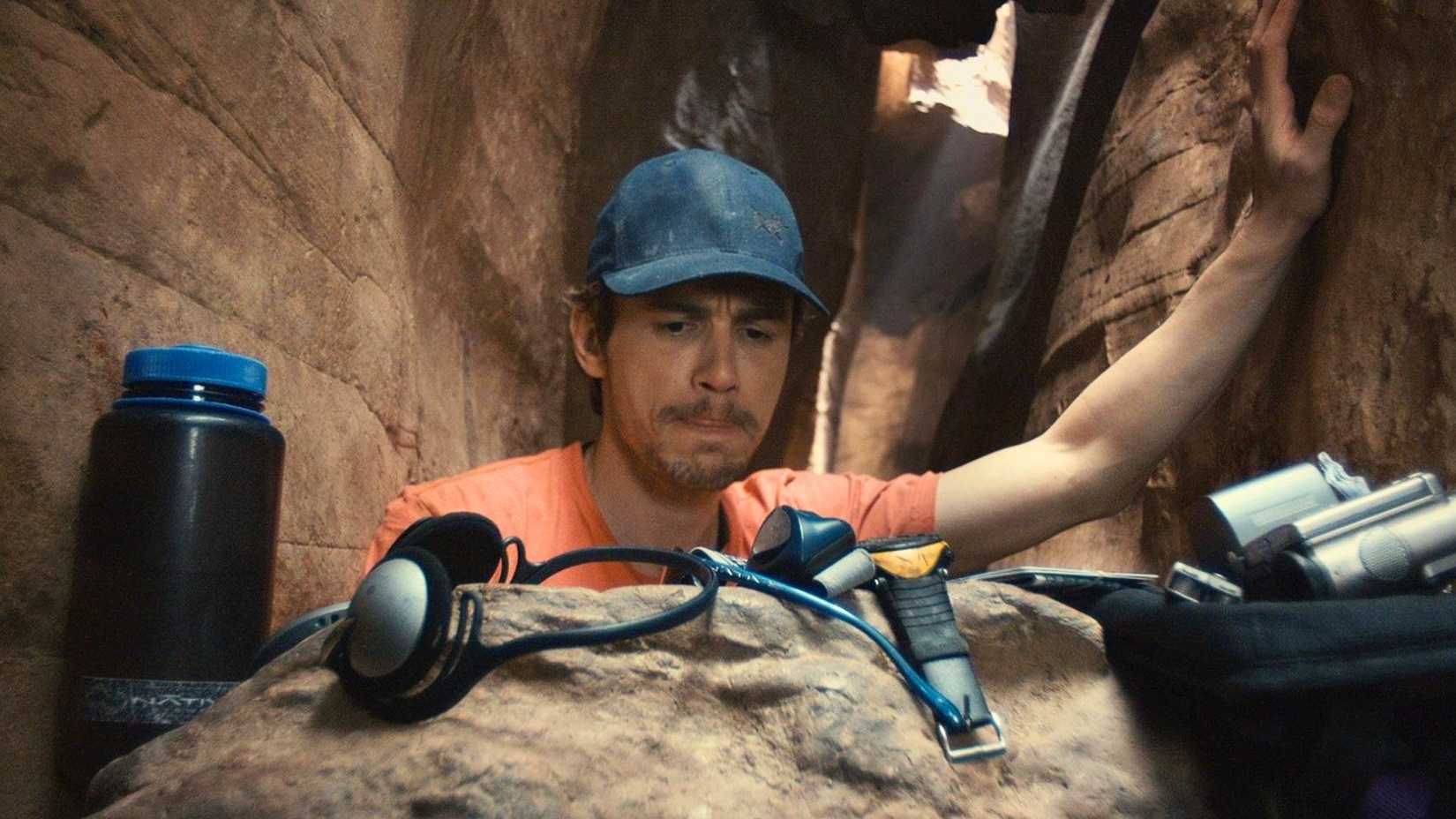
Most survival films give their protagonists somewhere to go. Aron Ralston cannot go anywhere. Danny Boyle's 127 Hours stars James Franco as the real-life climber who became trapped in a Utah canyon after a falling boulder pinned his arm against the rock, leaving him completely alone with limited food and water.
The confined setting creates a very different kind of survival thriller, but the basic question remains the same: what is someone willing to endure to stay alive? Franco's energetic performance prevents the movie from becoming visually static, while Boyle moves between Ralston's immediate predicament, memories, and increasingly desperate mental state. It remains one of the strongest examples among survival thrillers about characters with seemingly no way out.
Question 1 of 3
Cast Away

Cast Away remains one of the defining modern survival movies because it understands that loneliness can be every bit as dangerous as hunger or exposure. Tom Hanks stars as FedEx executive Chuck Noland, the sole survivor of a plane crash who washes ashore on an uninhabited island. Suddenly removed from every convenience of modern life, Chuck has to relearn skills humanity figured out thousands of years ago.
The similarities to Heart of the Beast extend beyond the crash itself. Both stories need an emotional relationship to keep their isolated protagonists connected to something beyond basic survival. James has Odin; Chuck famously has Wilson, the volleyball that gradually becomes his companion during years alone on the island. The circumstances are very different, but both films recognize that surviving physically is only part of making it home.
KioskNews shows a cleaned-up reading view extracted from the publisher’s page — the original always lives on their site, not ours.