Gulf economies accelerate diversification as recession looms over Iran war
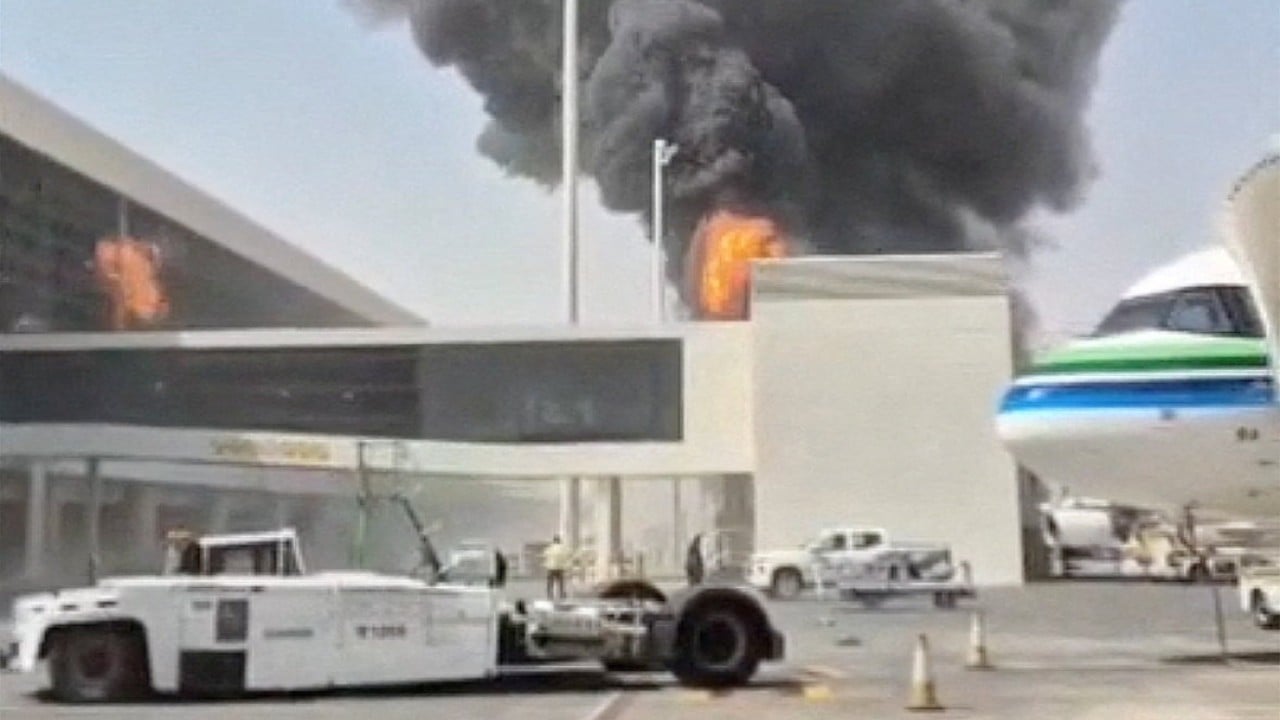
Before the outbreak of the war triggered by the US-Israeli attack on Iran in February, the Gulf monarchies were living the prosperity dream that was the envy of the world.
Their hydrocarbon-fuelled economies were glitzy oases of growth, inoculated from the conflict in Gaza that had rocked other parts of the Middle East for several years.
Underpinned by decades-old US security guarantees and conflict mediation by billionaire sheikhs, Saudi Arabia, the United Arab Emirates and Qatar cultivated images as peaceful lands of opportunity as they invested staggering amounts of money in economic diversification programmes.
Backed by sovereign wealth funds with trillions of dollars invested mostly in the West, these leading states of the Gulf Cooperation Council (GCC) embarked on transformative programmes to reposition their economies amid the global transition away from oil and gas. Similar diversification initiatives were also happening in Kuwait, Oman and Bahrain, the other three GCC members.
Such a shift towards long-term economic stability is important in maintaining the political legitimacy of the Gulf monarchies in the eyes of their burgeoning young populations, especially amid mounting public anger at the carnage in Gaza, according to analysts.
The GCC states, as well as other Muslim-majority governments such as Pakistan and Turkey, eventually persuaded US President Donald Trump to end the Gaza war in October 2025, renewing optimism about the Gulf economies.
However, everything changed soon after the Gaza ceasefire, when Israeli Prime Minister Benjamin Netanyahu managed to convince Trump to go to war against Iran.
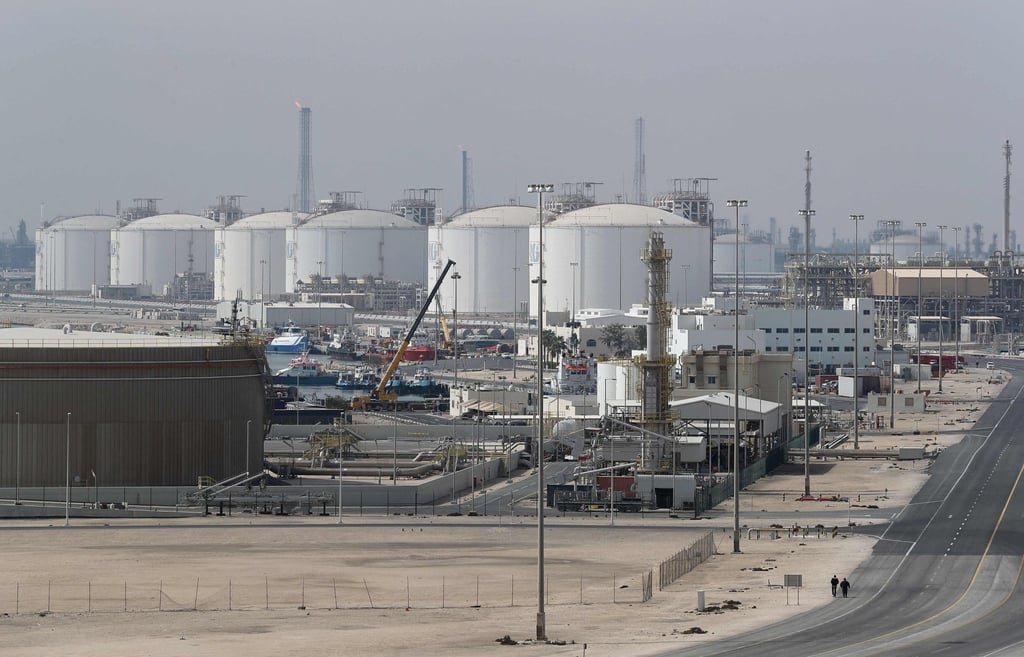
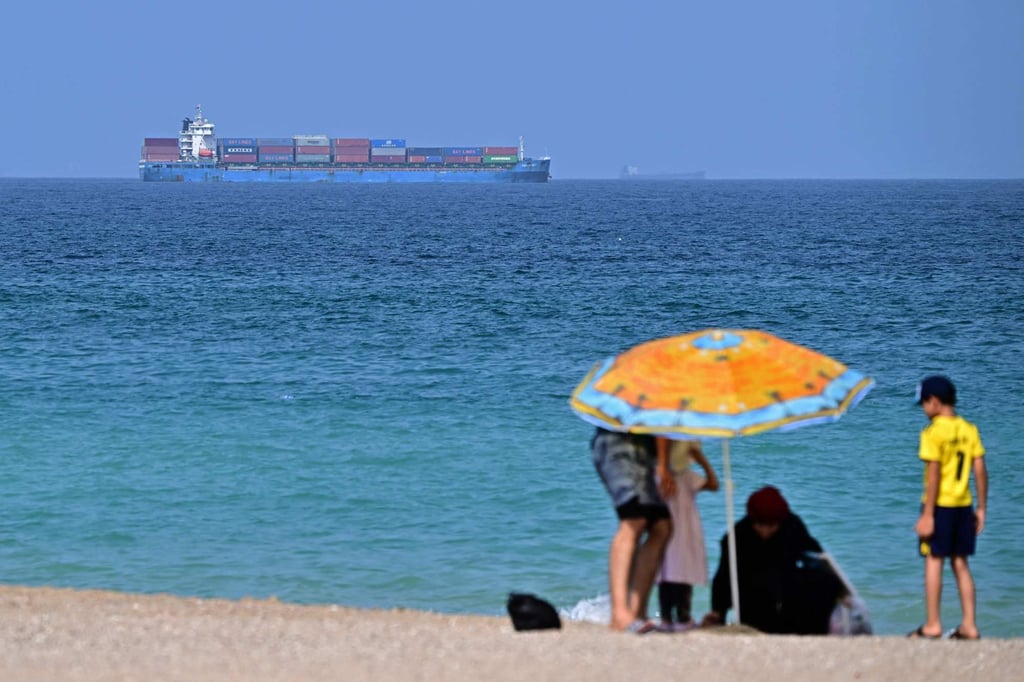
Rather than just retaliating against Israel, Iran has also vented its fury against the GCC states, attacking energy infrastructure, airports and ships sailing through the Strait of Hormuz.
With Trump weighing his options, including both another military escalation and a politically inconclusive end to the war with Iran after midterm congressional elections on November 5, uncertainty reigns in the Gulf region.
The eruption of war between Saudi Arabia and Tehran’s Houthi rebel allies in Yemen last month has exacerbated these anxieties.
Driven by necessity, GCC governments have unveiled plans to stabilise their economies. The two largest in the bloc – Saudi Arabia and the UAE – are on the verge of a potential technical recession caused by the Iran war, while Qatar is already in a recession.
In the second quarter of this year, Saudi Arabia’s economy – the largest in the GCC – fell by 4.8 per cent from 3 per cent growth in the first quarter. The UAE’s economy – the Gulf’s logistical hub – decreased by 2.1 per cent from an expansion of 3 per cent over the same period.
Qatar’s economic outlook worsened, with its GDP declining by 15.7 per cent in the second quarter, accelerating from a drop of 7 per cent in the first quarter.
According to the International Monetary Fund’s (IMF) projections published on October 13, the UAE is expected to record a 3.9 per cent drop in its GDP in 2026 from a pre-war forecast of 3.1 per cent growth, while Saudi Arabia is projected to fall by 3.3 per cent this year from an earlier predicted 4.6 per cent growth.
Bahrain, Kuwait and Qatar are set to record double-digit GDP contractions in 2026.
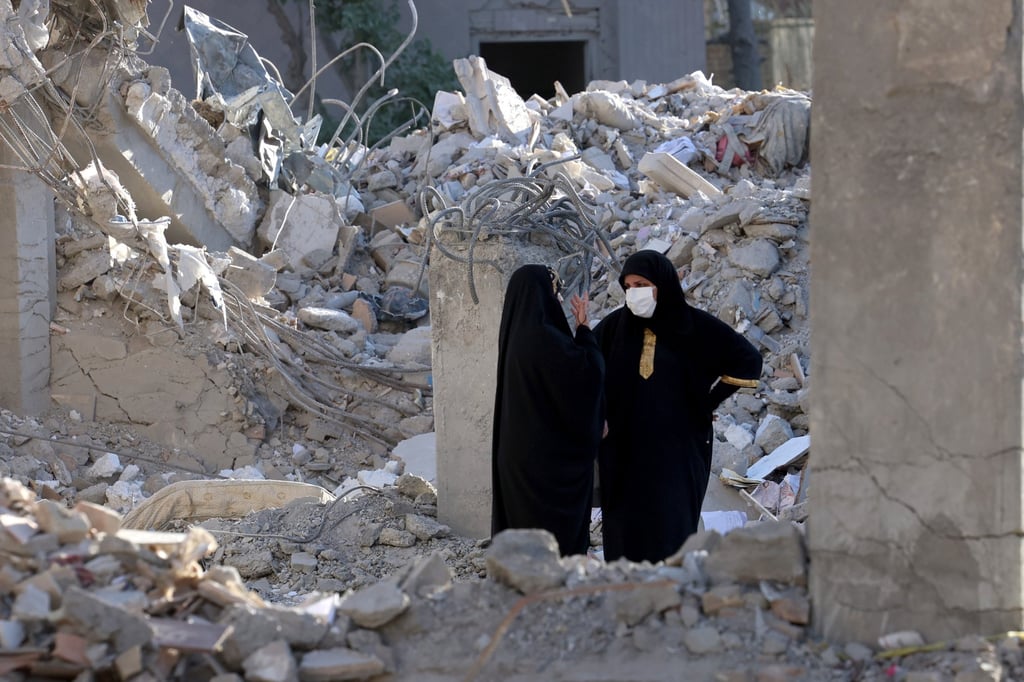
Like the IMF, the World Bank has forecast the GCC economies to rebound in 2027 if hostilities end this year and unhindered passage through the Strait of Hormuz is restored by next March.
Tim Callen, a former chief of the IMF’s GCC division, expected the Gulf states to step up their economic diversification plans.
The development of new industries would move ahead with some adjustments, including “a new focus on diversifying and better protecting energy and transport infrastructure”, Callen said.
Karen Young, a senior research scholar at Columbia University’s Centre on Global Energy Policy in New York, said Gulf governments would continue to prioritise investments in natural gas production and its export in liquefied form, as well as the acquisition of such assets overseas.
They would also focus on other “essential” areas such as more localised defence manufacturing, AI and other technologies.
Young said the diversification of the power sector in the GCC to include nuclear and renewables would be crucial to reviving its economies, while other sectors like tourism could continue to come under pressure.
Sovereign wealth funds like Saudi Arabia’s Public Investment Fund, the UAE’s L’imad and the Oman Investment Authority would provide much of the funding and impetus needed to get the Gulf economies back on track, according to analysts.
“Those funds have already demonstrated a propensity to play a greater domestic role. But these funds can’t do it all alone,” said Robert Mogielnicki, founder of Paris-based Polisphere Advisory.
The involvement of foreign partners would be critical because of the considerable investments that would be needed to revive and grow the GCC economies, Mogielnicki said.
Analysts predict GCC members will spend hundreds of billions of dollars to expand infrastructure across major sectors in the coming years as part of their economic transformation.
One such initiative is a planned cross-GCC oil pipeline bypassing the Strait of Hormuz to be co-funded by all six members, which a report published by Rice University’s Baker Institute for Public Policy estimated earlier this year to cost US$55 billion.
HSBC, Hong Kong’s biggest lender, recently projected the value of ongoing infrastructure projects in the UAE at US$190 billion.
The government of Dubai – one of the country’s seven emirates and its business centre – announced a US$572 billion pipeline of projects on October 13, including a massive new suburb and the construction of the world’s biggest airport.
Mognielicki said the GCC’s ambitious infrastructure roll-out was both expensive and complex. “For the moment, most Gulf governments see a compelling justification for paying the price.”
Callen said that despite these undertakings, it was far from certain whether the confidence of foreign investors in the GCC economies could rebound any time soon.
Investors would be assessing the post-war demand for both energy and non-oil goods and services from the Gulf states, as well as the outlook of their tourism, conference, logistics and aviation sectors, according to Callen.
“This is a very complex strategic project both because diversifying away from oil is anyway extremely difficult and to add to that now is the regional uncertainty,” he said.
KioskNews shows a cleaned-up reading view extracted from the publisher’s page — the original always lives on their site, not ours.