1 in 6 Gen Z South Koreans took GLP-1 slimming drugs last year: survey
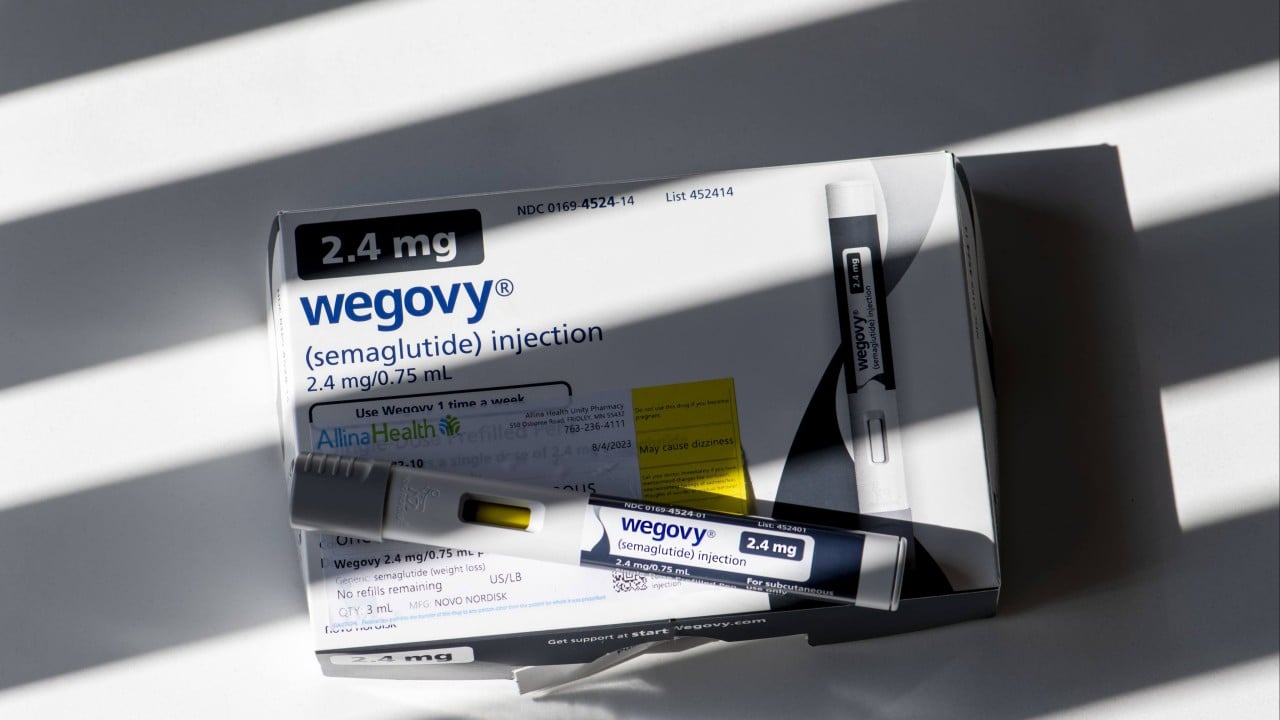
South Korea’s embrace of GLP-1 weight-loss drugs appears particularly pronounced among younger adults, with roughly one in six Gen Z respondents reporting they had used or been prescribed the medication in 2025, according to a new report.
The 2026 Korea Wellness Report, released by KB Financial Group on Sunday and cited by The Korea Times, surveyed 2,000 men and women aged 25 to 69 between July and August. Across all age brackets, the overall uptake stood at 10.3 per cent.
Gen Z adults – defined in the study as those born after 1995 – recorded the highest uptake at 16.5 per cent, followed by millennials at 14.2 per cent, Gen X at 7.7 per cent and baby boomers at 2.9 per cent.
By gender, men reported higher usage at 11.6 per cent, compared with 9 per cent of women.
One in three adults surveyed (33.9 per cent) said they would consider using anti-obesity drugs in the future if circumstances allowed, while roughly four in 10 Gen Z respondents (39.7 per cent) expressed willingness to take them.
Asked about their main motivation for using the drugs, 48.2 per cent of Gen Z respondents cited “appearance and body shape management”, whereas 55.3 per cent of baby boomers pointed to health improvement.
Meanwhile, 57.3 per cent of all respondents expressed concern over potential side effects.

Common obesity drugs, such as Wegovy and Mounjaro, mimic an intestinal hormone, known as GLP-1, that regulates blood sugar and satiety. By slowing digestion and promoting a sustained sense of fullness, they reduce calorie intake, according to the US National Library of Medicine. The agency noted that these therapies could help obese patients shed an average of 15 to 25 per cent of their body weight over a year of treatment.
However, common side effects include nausea, vomiting and diarrhoea, while discontinuation typically results in weight regain.
South Korea’s Disease Control and Prevention Agency reported in November 2025 that 34.4 per cent of adults were classified as obese – an increase of 30.8 per cent over the past decade. By gender, 41.4 per cent of men are obese compared with 23 per cent in women, meaning men are roughly 1.8 times more likely to be affected.
The agency warned against relying solely on obesity medications and said their use must be paired with an overall healthy lifestyle, a balanced diet and regular exercise.
Beyond weight-loss drugs, South Koreans are also turning to artificial intelligence to manage their health.
According to the KB Financial Group survey, 46.2 per cent of respondents reported using AI chatbots, such as ChatGPT or Google’s Gemini, for health and medical information – a figure that jumped to 55 per cent among Gen Z adults.
Among AI users, the most common queries were the causes of illnesses (61.8 per cent), followed by recommendations for functional foods (43.6 per cent), dietary information (34.3 per cent) and the interpretation of prescriptions or test results (34 per cent), The Chosun Daily reported.
The growing reliance on AI in health consultation has raised concerns regarding medical misinformation, particularly around weight-loss drugs.
In Britain, an AI-generated video circulated online showing National Health Service staff endorsing a weight-loss product, prompting an NHS hospital trust to issue a public warning, the BBC reported in January. The alert cautioned against fraudulent online claims and urged the public to seek health advice from trusted sources.
South Korean regulators face similar challenges. In July, the Ministry of Food and Drug Safety warned the public to be aware of AI-generated videos that impersonated celebrities or pharmacists to promote fraudulent weight-loss products, The Chosun Daily reported. The scam advertisements falsely claimed rapid results, including unnatural “fat absorption blocking” and aggressive appetite suppression.
KioskNews shows a cleaned-up reading view extracted from the publisher’s page — the original always lives on their site, not ours.