Malaysian tycoon goes on Singapore property buying spree to ‘catch up with the rest’
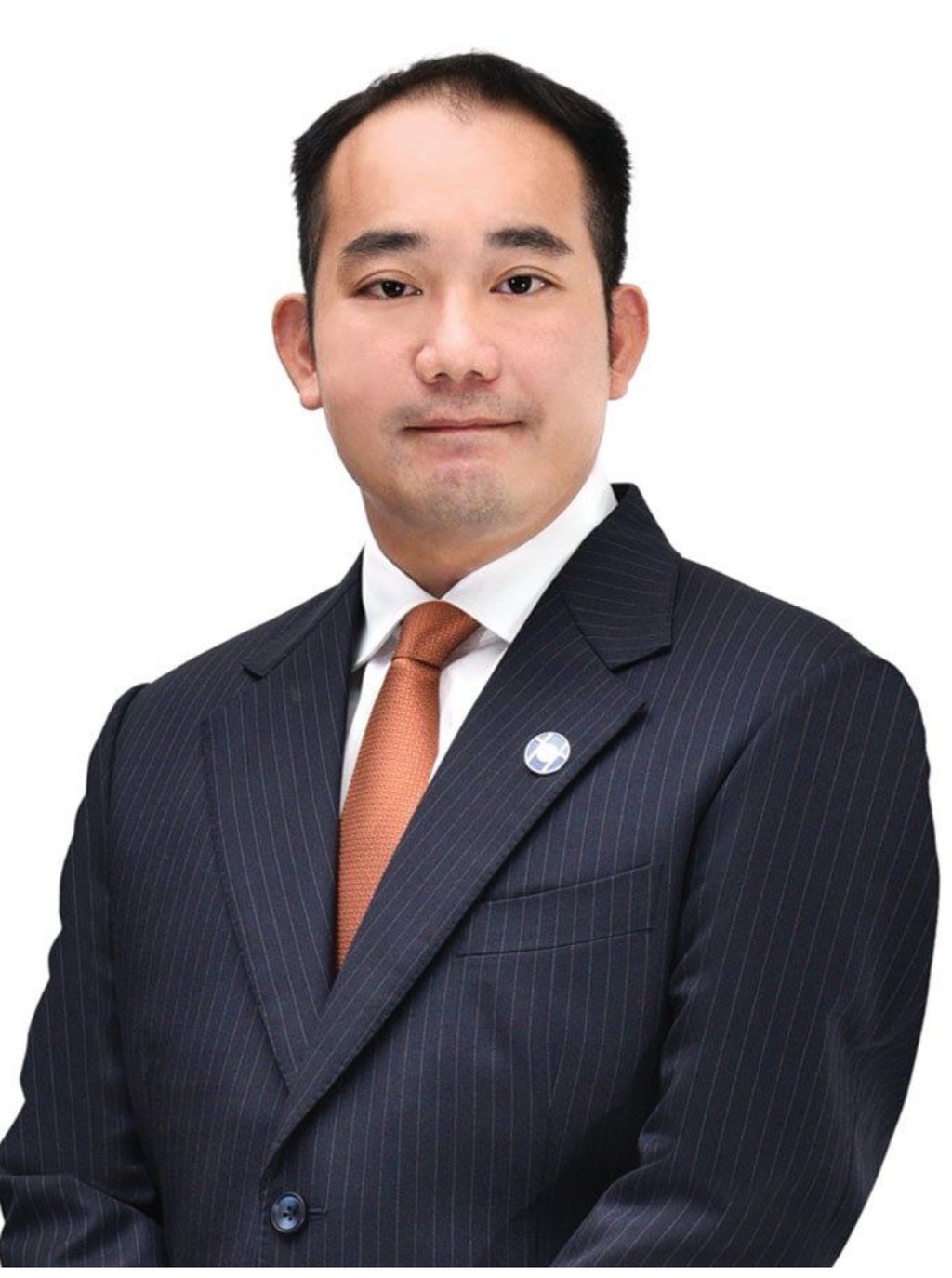
Malaysian property tycoon Lee Yeow Seng is making waves as one of the most aggressive buyers of commercial real estate in Singapore, and he is not done yet.
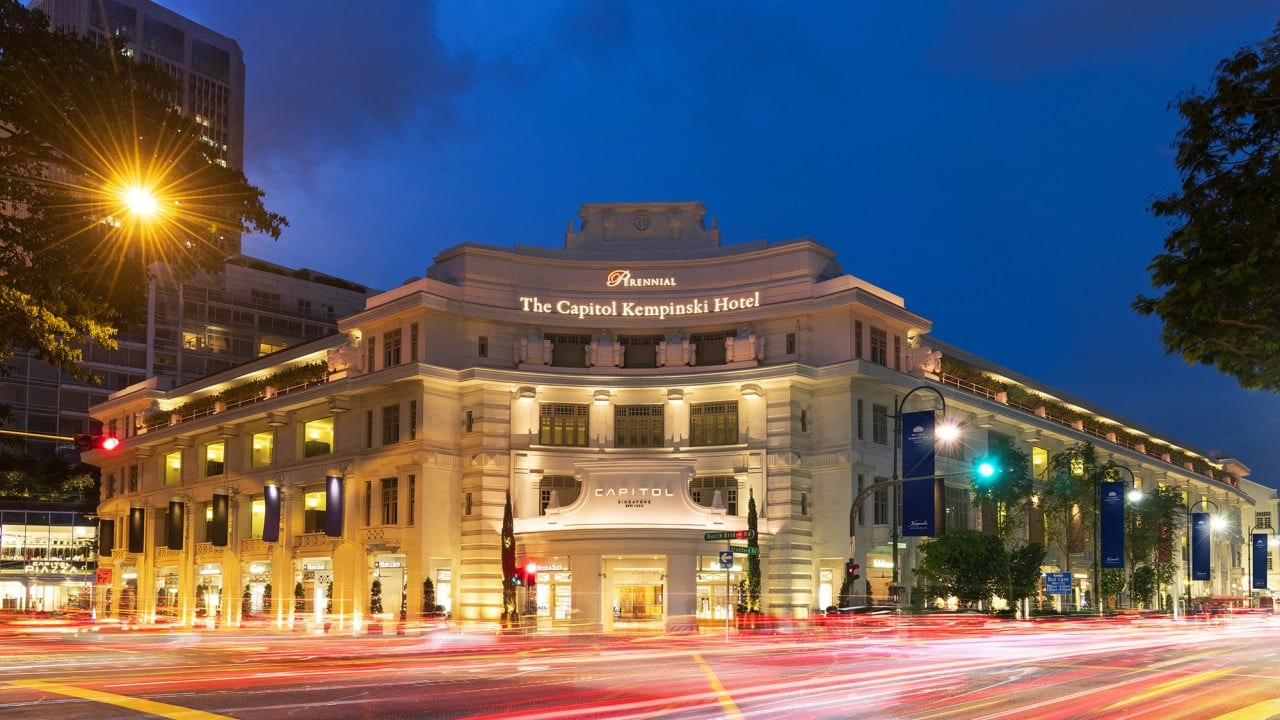
His IOI Properties Group is in exclusive talks and due diligence to purchase two property assets – Chijmes, a retail venue inside a former Catholic convent in its civic district, and the nearby Capitol Kempinski hotel, CEO Lee said in an interview. He declined to disclose how much a final agreement will value the two assets at, citing ongoing negotiations.
Singapore developer Perennial Holdings has been trying to sell the Kempinski hotel, which was being marketed for about S$600 million (US$468 million), according to people familiar with the matter. Chijmes was valued at S$379 million at the end of 2025.
IOI’s debt-fuelled buying spree has spurred a record year for real estate deals in Singapore. The firm is now courting investors for a new fund to ease the burden and give room for further expansion, as Lee seeks to challenge the wealthy clans that dominate Singapore’s property market.
“I’m a latecomer and I want to catch up with the rest,” the 47-year-old CEO said on the sidelines of a Forbes event in Singapore last week. “Most of them don’t share the vision of me.”
Perennial controls about a third of Chijmes and about 80 per cent of Capitol Singapore, a broader complex that contains the hotel, as well as a retail plaza and residential units. A vehicle backed by an unnamed Southeast Asian sovereign wealth fund has a minority stake in both assets, corporate records show. Other Chijmes investors include local food chain Breadtalk Group and Ronald Ooi, the former chair and CEO of Kim Eng, a stock brokerage.
Representatives for Perennial, which is backed by investors including palm oil tycoon Kuok Khoon Hong and Chinese private equity veteran Fang Fenglei, did not respond to requests for comment.
IOI is in talks to bring high-end fashion brands into Chijmes to raise rents, which have been depressed by a predominance of food and drink outlets, Lee said. It also wants a global ultra-luxury hotel brand to replace the Kempinski, he said.
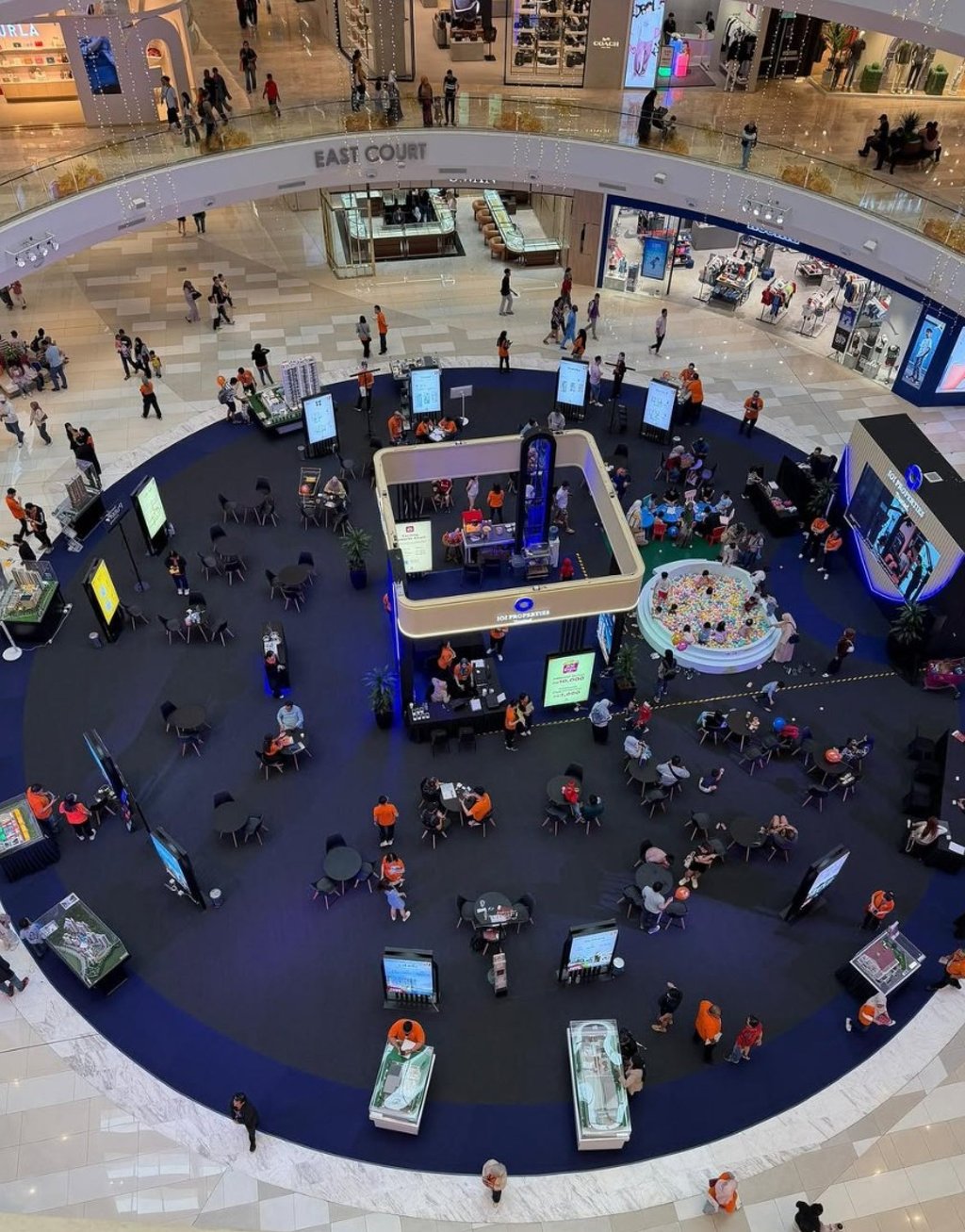
Lee’s Malaysia-listed firm, which has a large presence in its home country including one of the world’s largest shopping centres, has splashed out on a range of Singapore properties in recent years.
It gained full control of South Beach, an office complex that also houses his luxury penthouse and the JW Marriott hotel, after buying the majority stake from partner City Developments, which was looking to reduce debt. More recently, it bought office building Asia Square Tower 2, ballooning his commercial portfolio to S$10 billion.
It is also looking to form a joint venture with CapitaLand Investment, a property manager backed by Temasek Holdings, to buy One Raffles Place, people familiar with the matter said in August. The famous office complex is majority-owned by OUE REIT, which confirmed last week that it is in exclusive discussions with the firms on a potential sale.
IOI’s rapid acquisitions have fuelled a surge in its borrowings, with its net debt rising to 85 per cent of equity as of end-June. In 2024, its board rebuffed a proposal by Lee to acquire Shenton House in Singapore amid concerns about heavy capital commitments in Singapore and Malaysia. Lee, who is a scion of a wealthy palm oil family in Malaysia, made the purchase on his own.
The firm eventually agreed to acquire the office building and its liabilities this month to redevelop it. Even with a planned Malaysia real estate investment trust listing, that is expected to raise the firm’s gearing further. Lee said he aims to reduce the net debt to 30-50 per cent of its equity in the next three to five years.
His plans largely hinge on the success of a private fund, which Lee said will be set up in two months. He has tapped ex-Pimco Prime Real Estate executive Varun Singh to oversee the vehicle, which will initially include two assets totalling S$6 billion: the office portion of South Beach and the firm’s marquee office building IOI Central Boulevard Towers, whose tenants include Morgan Stanley and Jane Street Capital.
Lee said the fund has courted investors including private equity firms, sovereign wealth funds and insurers, but declined to share names. It is targeting an internal rate of return of 10-11 per cent, with semi-annual distributions, he said.
The firm is looking to pare down its stake in the assets to about half by marketing minimum holdings of about S$500 million with a five to seven-year lock-up. It will look to inject more of its Singapore assets into the fund during that period, and eventually list it as a Reit.
Lee is more optimistic about real estate prospects in Singapore than rival financial hub Hong Kong, saying the former does not have the baggage of being fully absorbed back into China in 2047 and will continue to be favoured by the wealthy and global companies.
Still, other bets in Singapore have stumbled, including IOI’s plans to build a city centre luxury residential project with 683 homes. The firm is liable to pay a higher tax, having sold only about 15 units there. Lee said he has secured a short-term reprieve from Singapore authorities until next April and will keep appealing against paying the charge.
The firm is pivoting towards renting out its units to expats, he said, blaming a 60 per cent levy imposed on most foreigner purchases in 2023 for the poor sales.
But he remains undeterred in investing in Singapore, saying lenders and the company’s board remain supportive. “If I can expand, why should I hold myself back?” he said. “No one has asked me to slow down.”
KioskNews shows a cleaned-up reading view extracted from the publisher’s page — the original always lives on their site, not ours.