Nintendo's biggest ROM chip supplier is bowing out of the business
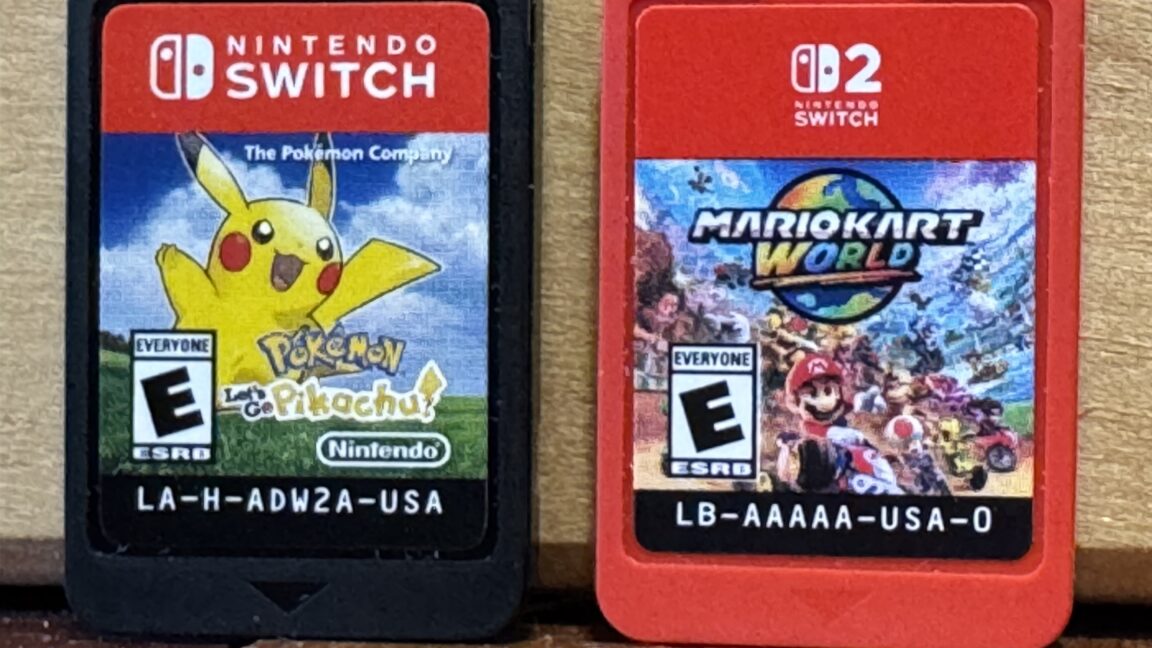
This doesn’t mean Nintendo will follow Sony into a world without physical game production. On the contrary, the Switch maker said last month that it had no plans to give up on the game cartridges in the near future. But those cartridges could get more expensive to produce as Nintendo is forced to rely on suppliers like Rohm and Lapis Semiconductor for its remaining ROM chips.
That could have a knock-on effect on the prices publishers charge for physical Switch cartridges, too. Earlier this year, Nintendo started charging more for some physical games than for the equivalent digital download. And last year, Japanese publisher Inin only committed to a full Switch cartridge release for R-Type Dimensions III after it said “two new smaller cartridge [storage capacity] sizes for Nintendo Switch 2” lowered the cost of producing those carts.
On the other hand, Gibson notes that digital software sales represented 61.5 percent of Nintendo’s business in the second calendar quarter of 2026, up slightly from the year before. If that number keeps increasing, lower demand for ROM-based Nintendo cartridges could end up balancing out the costs involved in due time.
KioskNews shows a cleaned-up reading view extracted from the publisher’s page — the original always lives on their site, not ours.