‘Don’t ask JEE rank or caste’: IIT-Bombay updates anti-discrimination guidelines
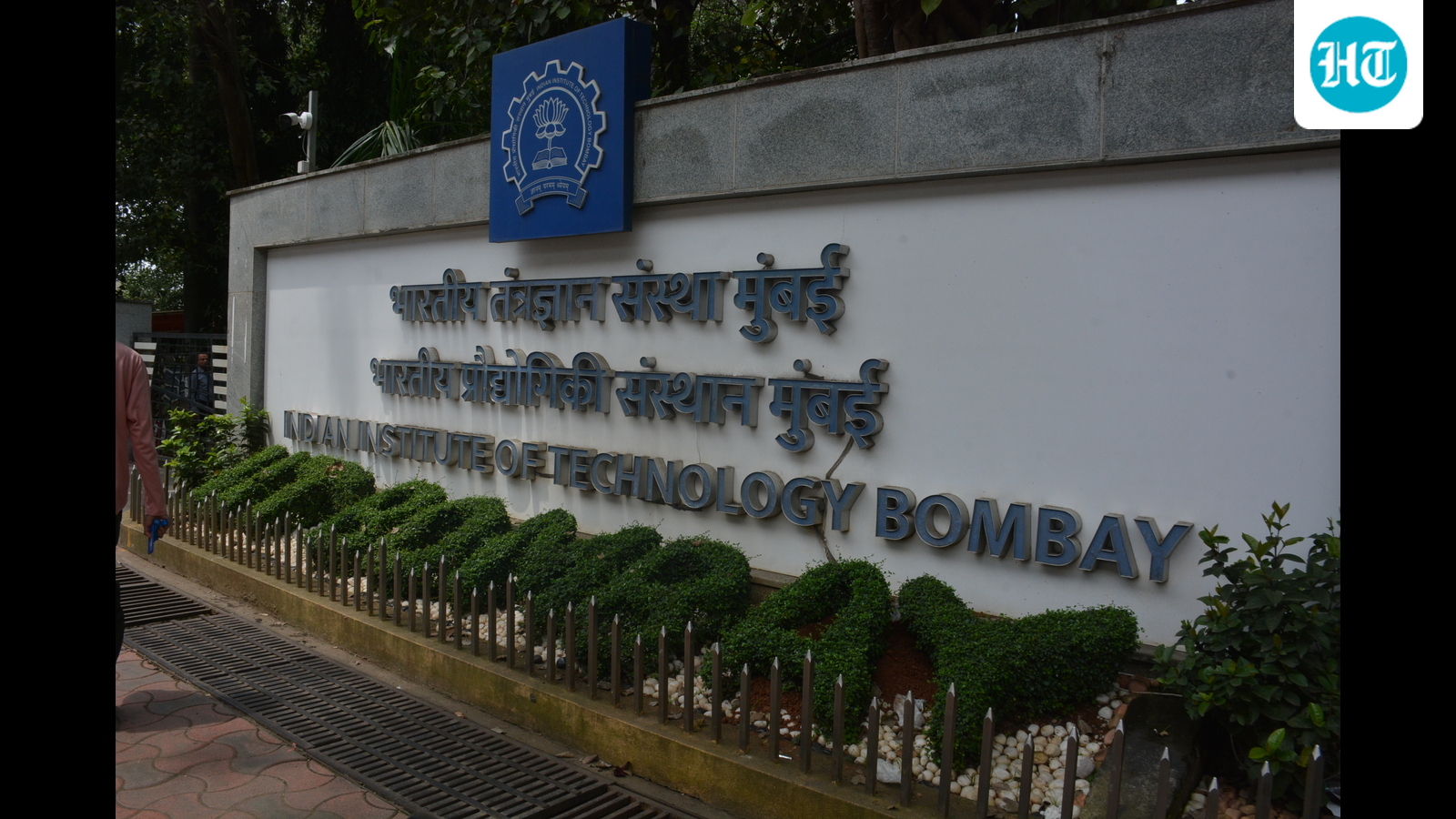
Asking fellow students about their caste, admission category, or entrance exam ranks is inappropriate and can lead to discrimination, the Indian Institute of Technology Bombay (IIT-B) said in updated anti-discrimination guidelines issued after the recent death of a second-year student on campus.
In an email sent to students late Tuesday, the institute said such questions, even if asked out of curiosity, could create bias and adversely affect students. It urged students, faculty members and staff to avoid conversations that could reveal a student’s caste or related background and instead build friendships through common interests.
The Office of the Dean of Student Affairs, which sent out the email, said IIT-B aims to create an inclusive campus regardless of caste, religion, or socio-economic status. The institute also reiterated its commitment to implementing the Constitution’s reservation policy “in letter and spirit” and ensuring equal opportunities for all students.
It warned that violations could lead to severe punishment.
Tuesday’s email is part of a series of measures to strengthen student welfare, improve institutional processes and increase student participation in decision-making following the death of a student on September 18. The institute has faced questions about student well-being and the mechanisms available to address grievances, bringing into focus the need for a more inclusive and supportive campus.
But students who have been protesting at the institute’s main gate for nearly a month said a similar email was sent out in 2023 after the death of an 18-year-old Dalit student whose death sparked nationwide debate over systemic caste discrimination at engineering institutions. The students said the institute must stop sending templated emails and initiate a dialogue with students who have been protesting for 26 days at IIT-B’s main gate, Justice Corner.
The guidelines issued on Tuesday said it was inappropriate to ask fellow students about their birth or admission category because it could lead to conscious or subconscious bias. The institute has also cautioned against asking about JEE (Advanced) ranks, GATE scores or other information that may reveal a student’s caste or related background.
“While the person asking the question may feel it is innocent, and it may be driven purely by curiosity, asking the question can often have an adverse impact on the other student,” the email stated.
The institute encouraged students to build friendships through shared interests, including academic departments, sports, music, movies, hobbies and the schools, colleges, villages, cities or towns they come from.
The guidelines also prohibit the exchange or forwarding of abusive, hateful, casteist or sexist messages, as well as content reflecting prejudice based on religion or sexual orientation. Messages that could amount to harassment or bullying are also prohibited on WhatsApp, Facebook, email, or other online platforms.
KioskNews shows a cleaned-up reading view extracted from the publisher’s page — the original always lives on their site, not ours.