Escape the city (without leaving) at Gong Dou Coffee in Cheras, with direct fire roasted beans, strawberry mochi and coffee nut tarts
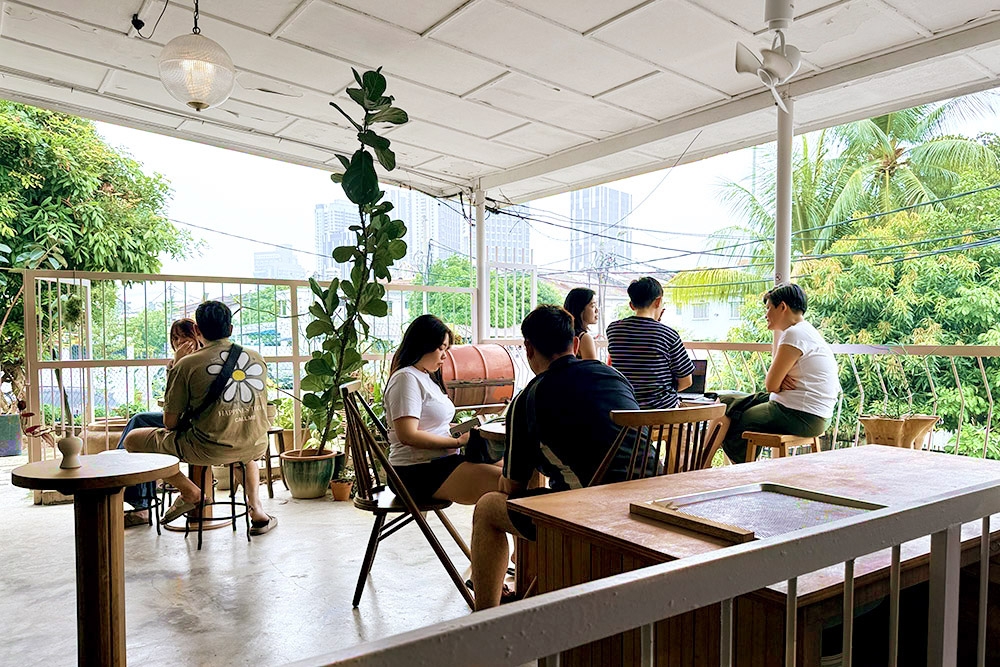

Head to Gong Dou Coffee for a bucolic getaway in the heart of the city. — Picture by CK Lim
By Kenny Mah
First Published: Saturday, 24 Oct 2026 9:07 AM MYT
KUALA LUMPUR, Oct 24 — You can always escape the chaos of the city, even if you don’t actually leave it.
No, you don’t have to check into a hotel and hole yourself up in your room (this sounds worse than any metropolitan mayhem, to be honest).
Instead, consider simply going out for a coffee. Not in a mall but in a café that feels more like somebody’s home.
With this plan in mind, we head to Gong Dou Coffee, located along the time-worn Jalan Goh Boon Hong in Taman Taynton View, Cheras.
With its cosy charms — thanks in part to exuberant, lush greenery contrasting with blackened, reclaimed wood for a lived-in ambience — Gong Dou promises a truly bucolic getaway in the heart of the city.
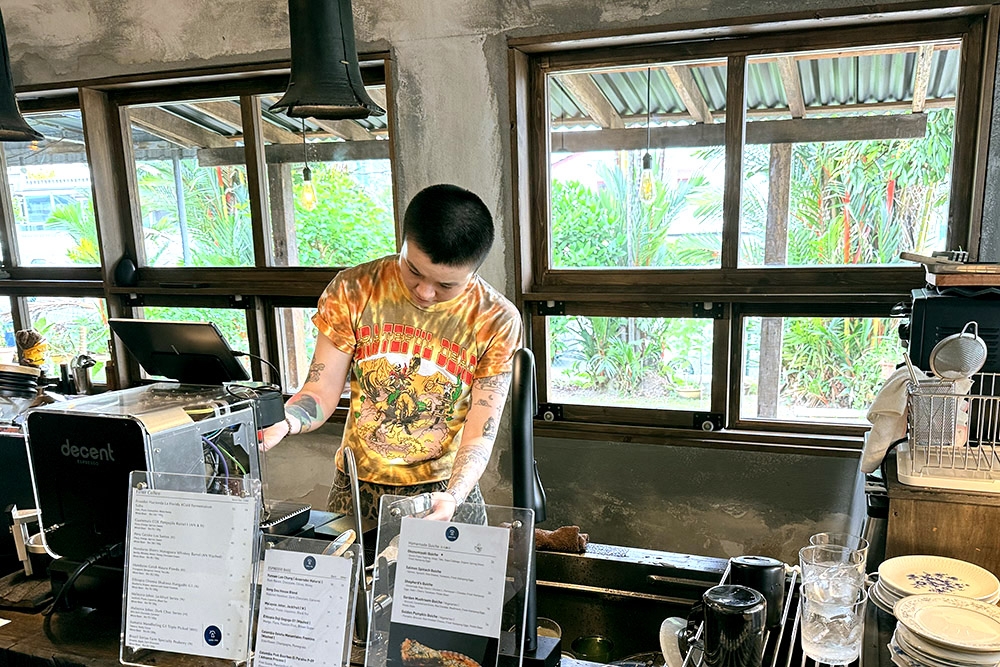
Barista making coffee with direct fire roasted beans. — Picture by CK Lim
The barista comes over with their coffee menu, explaining the provenance and profile of each varietal.
This is a common enough experience in most cafés serving specialty coffee nowadays, but Gong Dou stands out by using direct fire roasted beans.
To be exact, direct fire roasted beans from YiLuDou, a micro coffee roastery, which is just downstairs from Gong Dou.
After all, Jalan Goh Boon Hong is known for its iconic row of garage and mezzanine duplexes; recent gentrification meant that a number have been revamped into cafés.
That motif of the direct fire roasting extends to their revamped décor (consider Gong Dou Coffee a reinvention of Ah Gong House, its former incarnation in the same space), where choice accents are the result of yakisugi, a traditional Japanese technique for charring the surface of timber to protect it from the elements.
Instead of tracking down a Japanese yakisugi artisan, that owner Lois Loo had a woodworking friend of hers successfully replicate the process on the premises (outside, of course). Impressive!
Such attention to detail meant that we had high hopes for their curated selection of coffee beans too; we chose two, one natural processed and one washed.
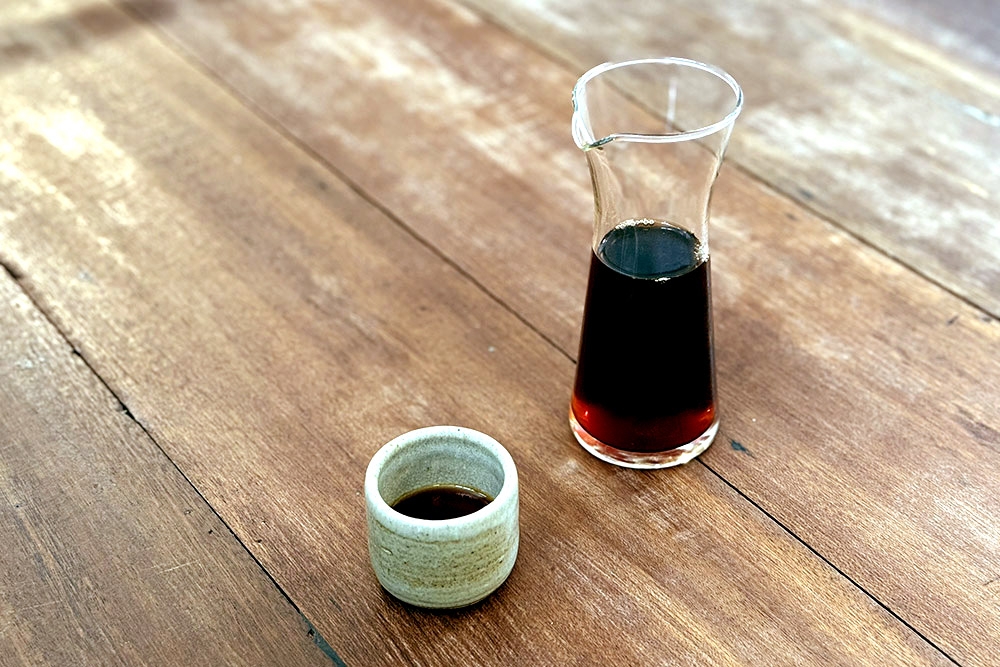
Ethiopia Oromia Shakiso Hangadhi G1 as pour-over coffee. — Picture by CK Lim
First, for our pour-over coffee, we went with their Ethiopia Oromia Shakiso Hangadhi G1. Bright and expressive, the natural process gave the cup a gentle wine-like sweetness.
As it cools, the fruit becomes more apparent: dried blueberry initially, followed by a darker cacao note. Light-bodied and clean, yet with enough complexity without being too syrupy.
This is exactly our style of pour-over brew, the sort you drink slowly, allowing the temperature change to bring out different flavours with each sip.
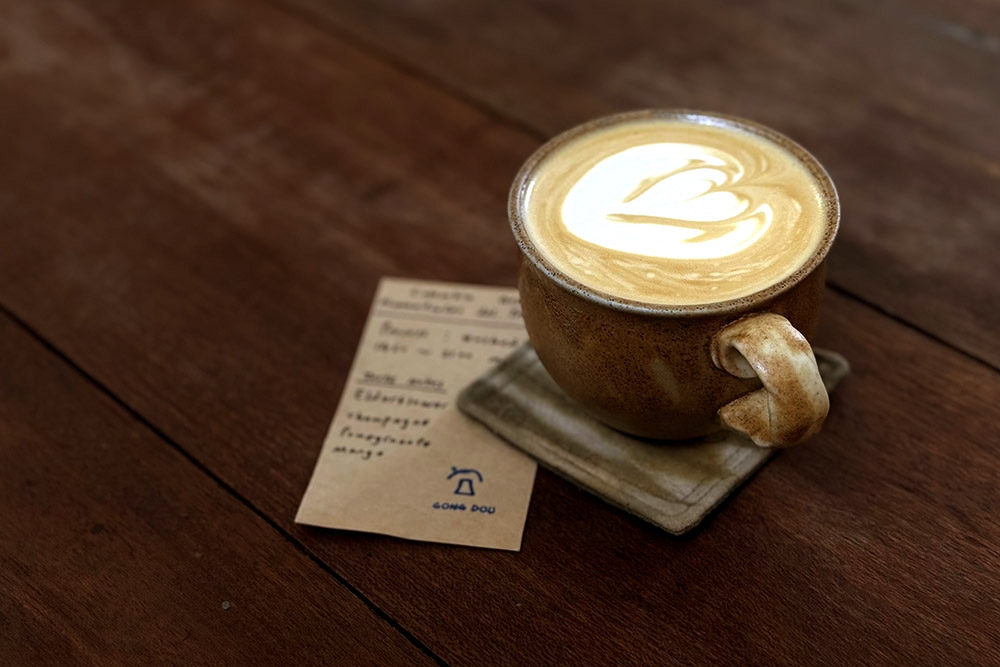
Milk coffee made with Colombia Finca Manantiales del Frontino Geisha. — Picture by CK Lim
To switch things up, we also ordered a milk coffee. Rather than a safe, balanced blend, we opted for their Colombia Finca Manantiales del Frontino Geisha.
Some might argue using this premium bean, with its limited availability, for a milk coffee to be a bit of a waste. Ah, but if it’s made properly, you can enjoy its delicate floral character with a creamier finish.
Hints of elderflower appear alongside a bright, pomegranate-like fruitiness. The fully washed process ensures a clean, sweet and fragrant cup, avoiding the pitfall of heavier fermented flavours.
Beyond coffee (and some non-coffee beverages such as matcha and 21-year aged pu-er), their small menu is split between brunch fare and teatime treats.
The former features homemade quiches with fillings such as salmon and spinach, organic broccoli and mushrooms, as well as an Osaka inspired okonomiyaki quiche, topped with shaved katsuobushi (dried bonito flakes).
Given it was already afternoon, we leaned towards the latter with baked offerings ranging from passion fruit cheesecake to a heady mochi tiramisu, infused with Kahlúa and rum.
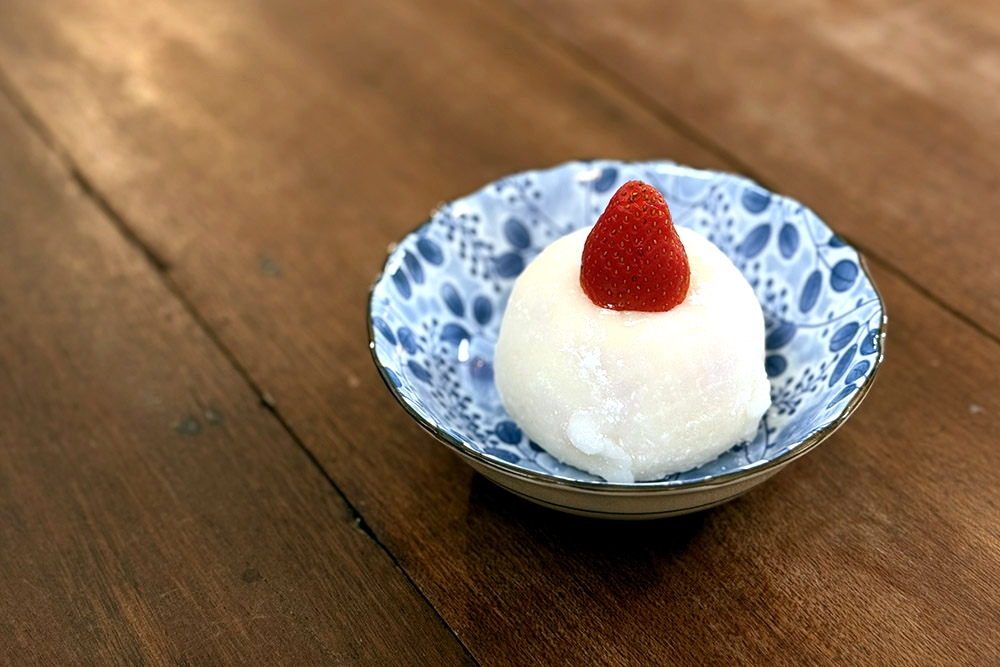
Strawberry ‘mochi’. — Picture by CK Lim
Mochi sounded good but we didn’t really feel like a boozy hit with our Japanese rice cake. Instead we opted for their strawberry mochi. Topped with a whole strawberry, this handmade pastry was surprisingly generously sized.
The fruit itself is juicy and nicely chilled, which pairs well with the chewy mochi skin. Simple but balanced, with just enough sweetness in the soft rice dough without overwhelming the natural flavour of the strawberry.
We also shared a slice of coffee nut tart; having eschewed the coffee liqueur of the mochi tiramisu, we still wanted a dessert with some serious caffeine kick to it.
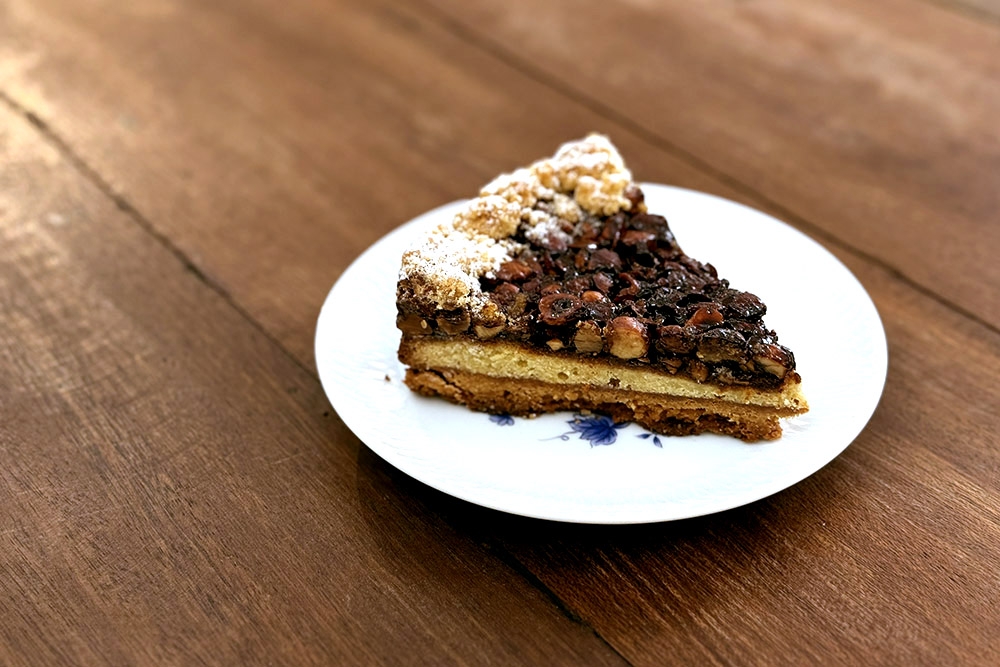
Coffee nut tart. — Picture by CK Lim
This tart has a biscuity, cake-like base, with a craggy edge that reminds us of an apple crumble. The filling is a layer of chopped hazelnuts brushed thickly with a sticky espresso glaze.
The espresso comes through clearly with every bite; expect a deep coffee aroma and a subtly nutty, roasted note that prevents the tart from tasting too rich or sweet. A confident, adult pastry, this.
You could lose track of time lingering over your coffee here, eyes wandering from the pots of slender fiddle-leaf figs that stretch towards the patio ceiling or the unruly mass of blue pea flowers in one corner of their verdant, tropical garden.
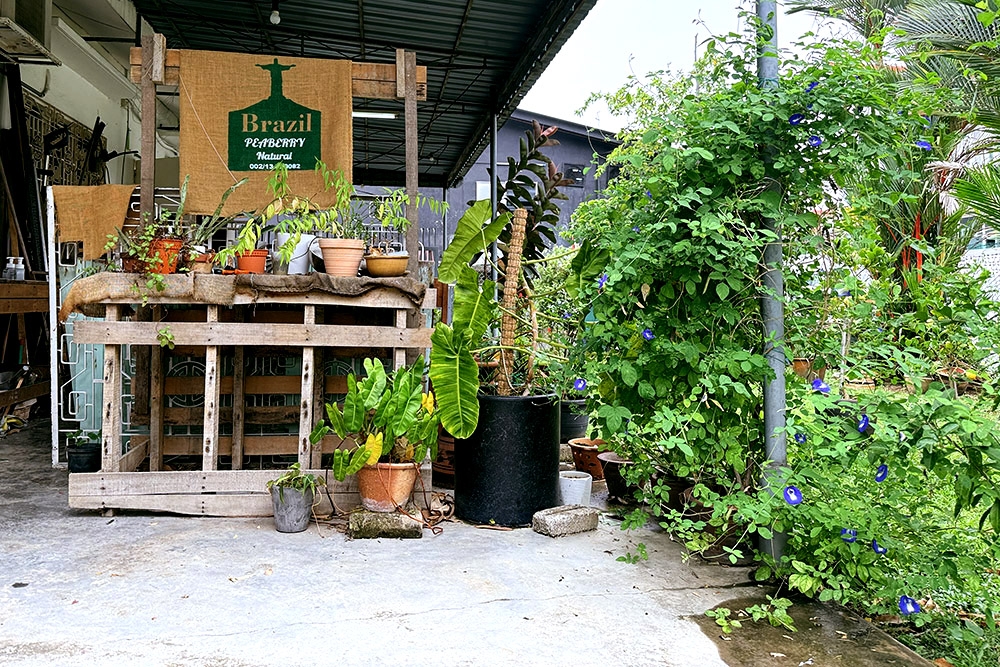
Part of the verdant, tropical garden. — Picture by CK Lim
As promised, a proper getaway in the heart of the city. Less of an escape though; perhaps, more of a discovery? And a fine one at that.
Gong Dou Coffee
Open Wed-Fri 11am-6pm, Sat & Sun 10am-6pm, Mon & Tue closed
Phone: 012-247 4710
IG: https://www.instagram.com/gongdoukl/
For more food fables and café chronicles, visit Life for Beginners.
* This is an independent review where the writer paid for the meal.
KioskNews shows a cleaned-up reading view extracted from the publisher’s page — the original always lives on their site, not ours.