Why Chinese pundits say France’s riots could reshape European politics
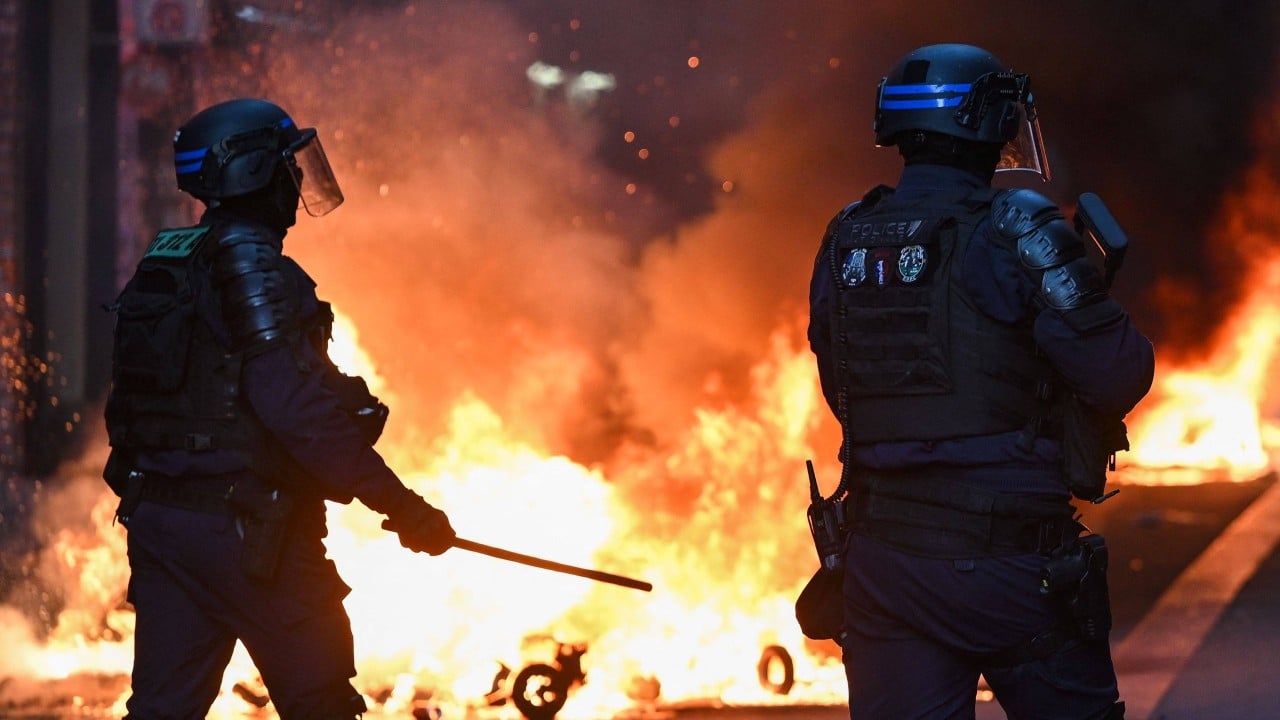
The social unrest roiling France is being closely watched for a possible spillover effect beyond the country’s borders that could reshape European politics, Chinese analysts said.
The crisis is a major stress test for French politicians as they navigate deep-seated economic and societal tensions in the run-up to the country’s presidential election in April next year, according to the analysts.
A critical question was whether the riots would subside quickly or escalate into prolonged instability, they added, with political parties across the spectrum exploiting the upheaval to advance their electoral gains.
What happens next could also define the legacy of President Emmanuel Macron, who has led France for nearly a decade.
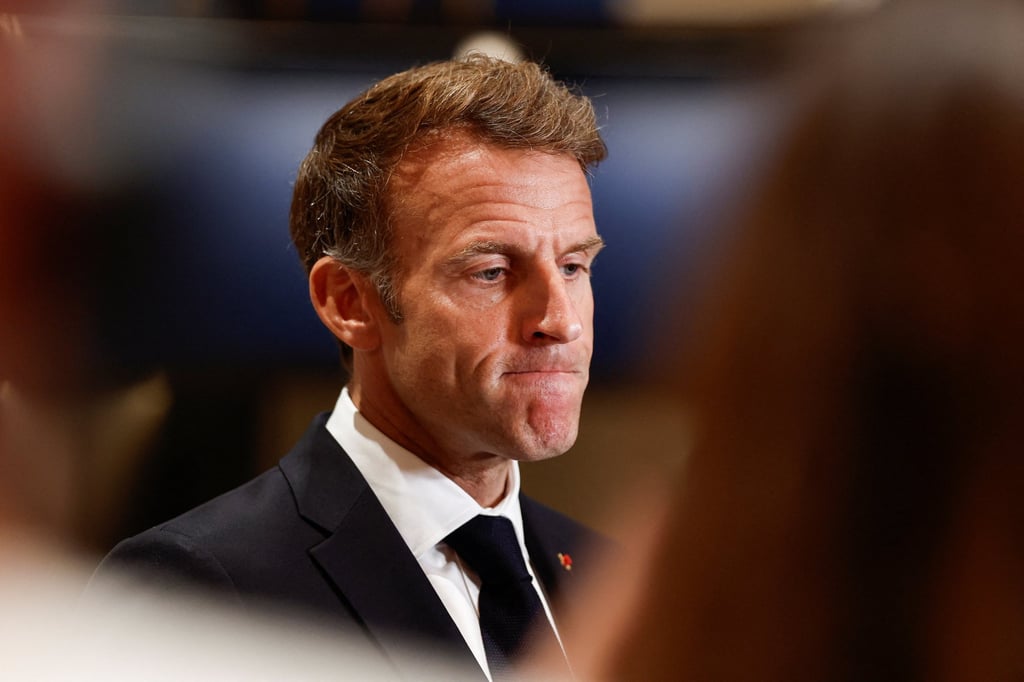
According to Cui Hongjian, director of European Union studies at Beijing Foreign Studies University, the friction between ordinary citizens and the government has reached a tipping point.
“Even a minor local incident can trigger widespread rage,” Cui said.
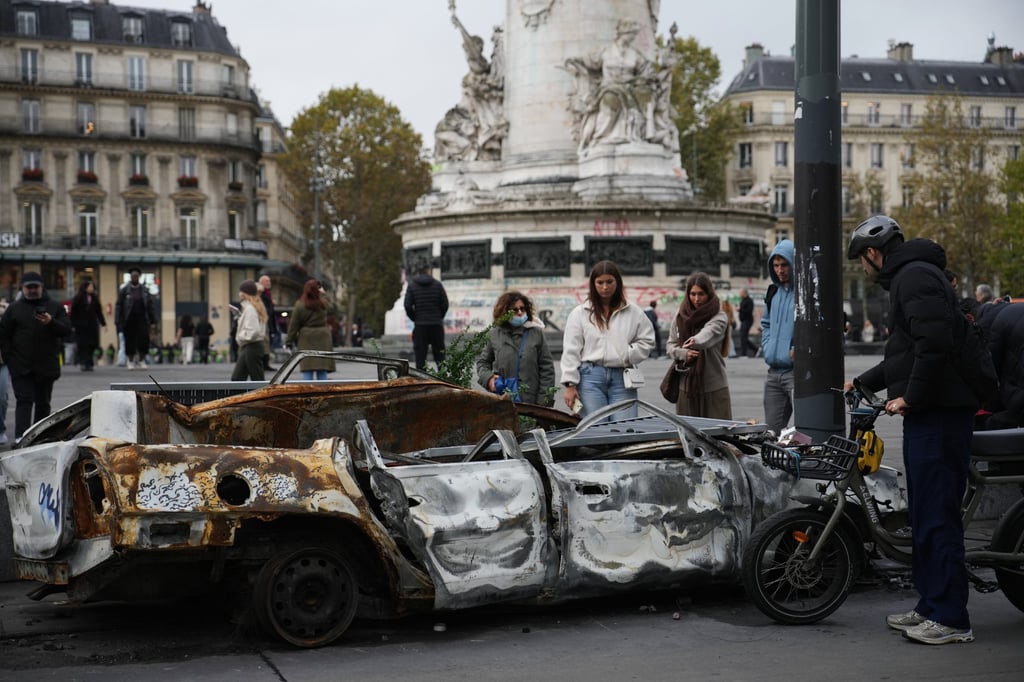
Weeks of student protests over deteriorating school conditions in France escalated into nationwide riots over the weekend as peaceful demonstrations led to looting and arson.
The movement has since expanded into a broader unrest fuelled by public anger over spending cuts, rising living costs and deepening dissatisfaction with the government.
Since the demonstrations began in France, more than 550,000 protesters have taken to the streets, resulting in over 2,000 arrests and at least two reported deaths.
Macron faces intensifying political, economic and social turbulence as his second term nears its end.
This week, he directed the government to convene students, educators, parliamentarians, labour organisations and business representatives to develop “concrete proposals” to resolve the crisis.
Demonstrators will return to the streets this Saturday, prompting French Prime Minister Sebastien Lecornu to put authorities on high alert. Lecornu promised a massive police presence and said new curfews would be imposed if necessary.
The French government is struggling to contain public debt, which sits at nearly 120 per cent of GDP. Facing a persistent budget deficit projected to hit 5.4 per cent in 2026, market pressures have driven the 10-year government bond yield near 5 per cent.
SCMP Plus is a new premium news platform that gives you an
all-inclusive edge to stay ahead on China news.
To access our exclusive content you’ll need to subscribe.
Already a subscriber?
LOG IN
In addition, France’s fiscal crisis has increasingly squeezed domestic budgets for social programmes, forcing the government to cap general spending, freeze public wages and implement below-inflation increases for education.
Song Luzheng, a France-based researcher affiliated with Fudan University’s China Institute, described the demonstrations as appearing on the surface “to be about stagnant economic growth, rising prices and declining purchasing power”.
“But the cause is the declining competitiveness of France and Europe in the post-Cold War period due to high costs, low efficiency and weak innovation,” he said.
Song argued that Europe was paying a devastating price externally for “geopolitical miscalculations”, ranging from the Russia-Ukraine conflict to Middle East tensions.
He said globalisation, financialisation and automation had eroded Europe’s middle class, providing fertile ground for the emergence of political polarisation.
The rapid escalation of the protests reflected how fiscal belt-tightening had created cascading effects across society, Song added.
The turmoil has unfolded as France prepares for its presidential election in April next year, with China featuring in debates over economic sovereignty, market protection and geopolitical rivalry.
01:52
European carmakers take on Chinese EVs at the Paris Auto Show
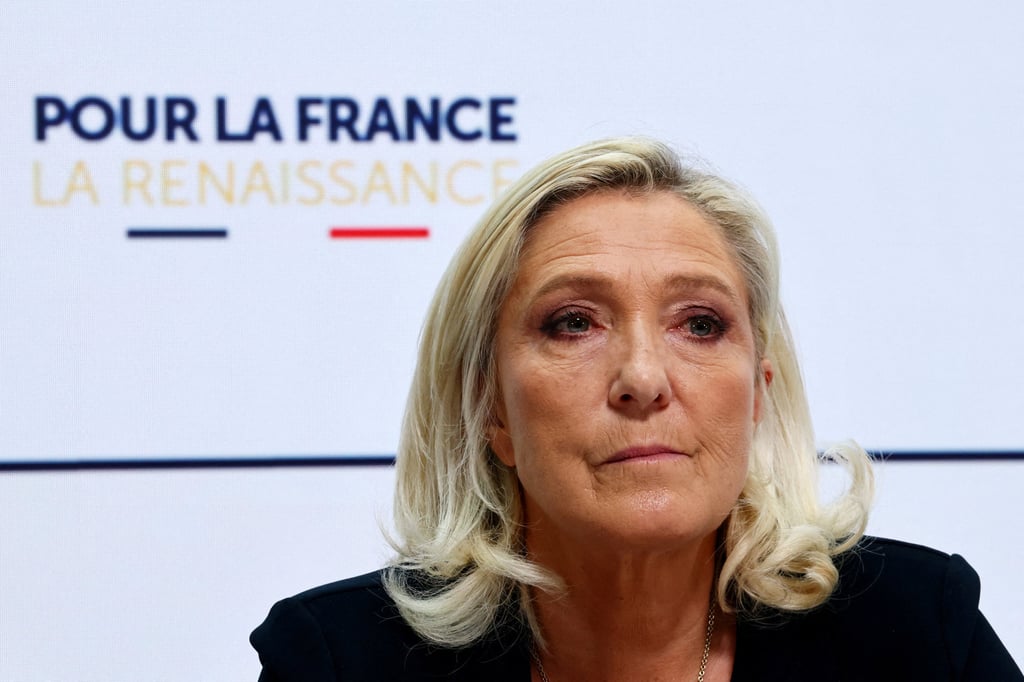
Macron’s centrist government faces a fractured parliament divided between Marine Le Pen’s far-right National Rally and Jean-Luc Melenchon’s hard-left coalition. Polling suggests National Rally holds a strong position ahead of the election.
Le Pen has framed the unrest as a “profound crisis of trust and authority” under Macron, reiterating her emphasis on security and public order.
Meanwhile, Melenchon and his party, La France Insoumise, have criticised the government’s crisis management and voiced strong support for the protesters.
Both Cui and Song said French political parties were weaponising public anger to advance their electoral ambitions ahead of next year’s presidential vote.
Far-right parties and figures had positioned themselves as champions of popular discontent, Cui said, exploiting flashpoint issues such as immigration and fiscal discipline to “intensify confrontation between the public and mainstream parties”.
“Whether this unrest quickly subsides or turns into prolonged instability will shape France’s political landscape, which will inevitably influence broader European political change,” Cui said.
Economic development and social justice must “be coordinated properly”, he added, noting these were challenges confronting many other countries.
Indeed, rallies are being held in multiple countries, including Italy, Spain, Belgium and Portugal, although grievances differ depending on the location.
As for what was happening in France, the stakes extended far beyond its borders, Song said.
He warned of a starker situation if far-right forces were to triumph in both France and Germany, considered the European Union’s twin pillars.
Song said the far-right forces’ shared agenda of opposing immigration and challenging EU integration would raise existential questions about the bloc’s future.
“Europe’s future is likely to be filled with uncertainty and turbulence,” he added.
KioskNews shows a cleaned-up reading view extracted from the publisher’s page — the original always lives on their site, not ours.