Fahmi pushes quantum-safe communications as cybersecurity enters a new era
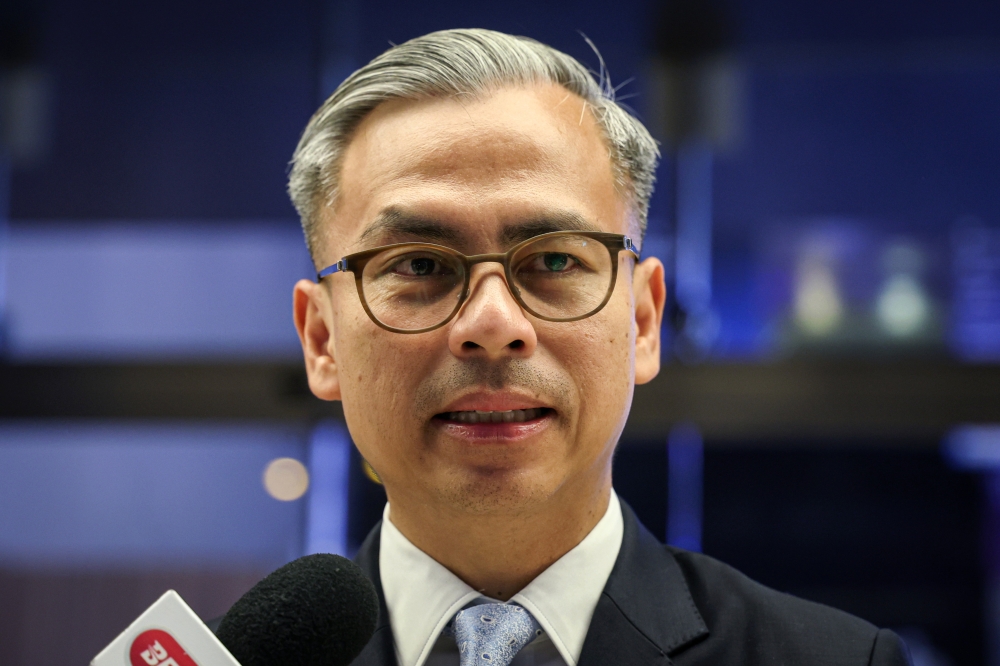

Communications Minister Datuk Seri Fahmi Fadzil said Malaysia is considering accelerating its quantum migration process to strengthen national data security against future cybersecurity threats.
First Published: Monday, 09 Nov 2026 11:10 AM MYT
DOHA, Nov 9 — Malaysia is considering accelerating its quantum migration process to strengthen national data security amid advances in quantum computing technology that are expected to pose new challenges to cybersecurity systems.
Communications Minister Datuk Seri Fahmi Fadzil said he had asked the Malaysian Communications and Multimedia Commission (MCMC) to hold discussions with the National Security Council (MKN), the National Cyber Security Agency (Nacsa) and telecommunications companies to explore potential collaboration in this area.
He said the collaboration would involve establishing a research and development (R&D) space to facilitate faster and more secure quantum migration in Malaysia.
“Malaysia is considering accelerating its quantum migration process. I have asked the MCMC to engage with the NSC and Nacsa and discuss with telecommunications companies on how we can work together to establish an R&D space for faster and more secure quantum migration,” he said.
He said this when commenting on technological innovations that could benefit Malaysia after visiting several exhibition booths at the Mobile World Congress (MWC) Doha 2026 here yesterday.
Fahmi said one of the technological innovations that caught his attention was quantum-safe communication, which is becoming increasingly important for future data protection.
He said the emergence of quantum computers on the market was expected to pose significant challenges to existing cryptography and encryption methods used to safeguard data.
“I foresee that quantum migration and quantum-safe communication will be among the key issues facing many countries in the years ahead.
“Quantum computers are expected to enter the market in the near future, posing major challenges to existing cryptography and encryption methods used to ensure our data remains secure,” he said.
Apart from quantum technology, Fahmi said his visit to the exhibition booths also provided an opportunity to explore various innovations, including the integration of artificial intelligence (AI) into smart city services and security systems.
Quantum migration refers to the process of upgrading existing digital security systems to adopt quantum-resistant encryption technologies designed to protect data against potential threats from future quantum computers. — Bernama
KioskNews shows a cleaned-up reading view extracted from the publisher’s page — the original always lives on their site, not ours.