Hong Kong Primary Three pupils’ maths competency hits all-time low
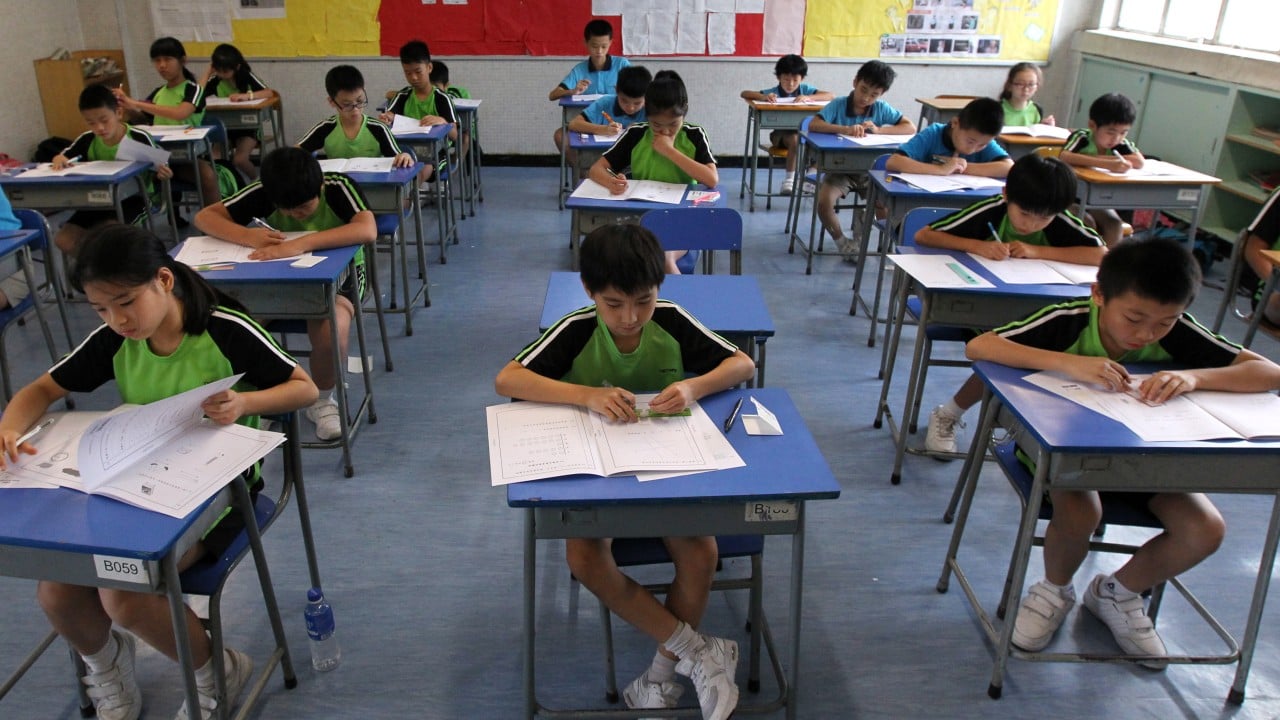
The mathematics competency level of Hong Kong’s Primary Three pupils has hit an all-time low in a citywide assessment by authorities, while their English performance reached a record high.
Results for this year’s Territory-wide System Assessment (TSA), released on Thursday, showed passing rate for mathematics for Primary Three students fell to 84.7 per cent, down 0.7 percentage points from a year earlier.
The latest result was a record low since the assessment began in 2004. The mathematics passing rate for Primary Three students peaked in 2016 at 89.9 per cent and has fallen steadily since.
At the same time, English proficiency among Primary Three students continued to improve, with 86.3 per cent showing basic competency in the language, up 3.1 percentage points from a year earlier.
It also marked the second year in a row that the passing rate for English outperformed that for Chinese, with 81.7 per cent of students in that age group achieving basic competency in the latter language.
Conducted annually by the government, the TSA measures the proficiency of Primary Three, Primary Six and Form Three students in Chinese, English and mathematics, based on a sample of about 10 per cent of pupils at each level citywide.
This year’s assessment covered only Primary Three and Secondary Three students.
For Secondary Three students, Chinese competency was down 0.9 percentage points to 77.1 per cent, compared with last year. English competency was up 0.4 percentage points to 69.2 per cent and Mathematics was up 0.1 percentage points to 78.3 per cent.
In a statement, the Education Bureau said the results showed that performance “remained stable” and were similar to the findings of the assessment in previous years.
“The [Education Bureau] expresses its gratitude to the school sector for continuously adopting diversified teaching strategies and measures to cater for the different needs of students, and raise teaching effectiveness,” a bureau statement said.
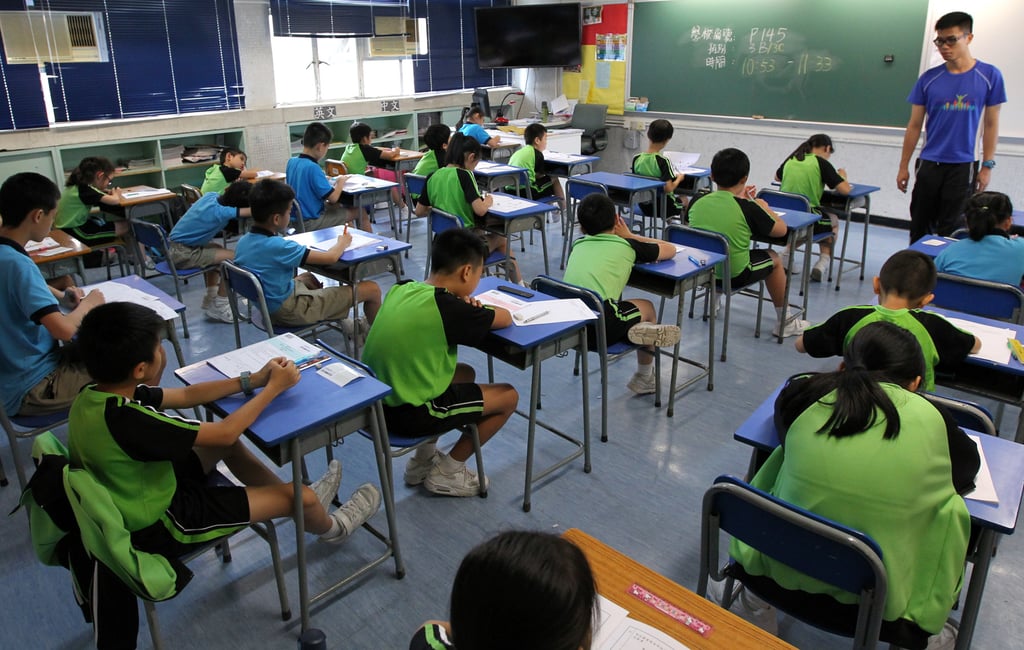
It added that the bureau would continue to offer full support to schools, including arranging teacher training, organising diverse activities and providing “appropriate school-based services to strengthen teachers’ professional capacities”.
According to the latest Programme for International Student Assessment (Pisa), Hong Kong secondary school students’ performance has fallen, with their science scores dropping out of the global top 10 for the first time in the study’s history.
Held every three years, Pisa is a worldwide study by the Organisation for Economic Cooperation and Development that tests 15-year-old students on reading, mathematics and science.
Experts at the time suggested that the decline was partly due to the post-Covid impact on study habits and learning motivation.
KioskNews shows a cleaned-up reading view extracted from the publisher’s page — the original always lives on their site, not ours.