Is PH farmland healthy amid El Niño? FAO calls for soil assessment
Make this your preferred source to get more updates from this publisher on Google.
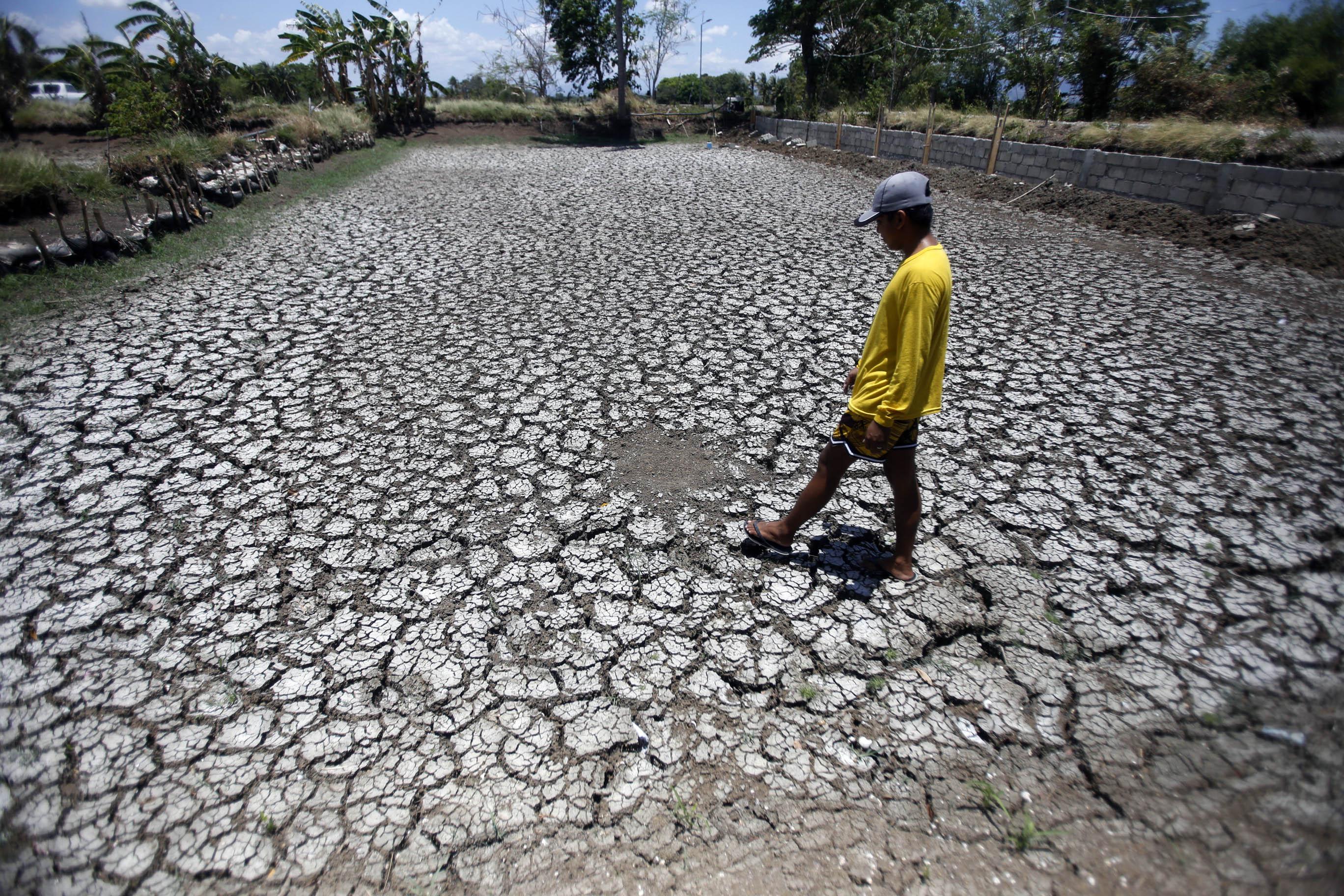
With less frequent but more intense tropical cyclones expected in the coming months amid the El Niño phenomenon, the Food and Agriculture Organization (FAO) has called for soil assessment in the country's farmlands to ensure food security.
Dulce Carandang, FAO Philippines assistant representative for programme, said drought has other aspects other than low rainfall.
"Drought isn't just about the lack of rain. We also need to look at the state of our soil, the health of our groundwater," Carandang said during a press briefing in Makati City on Thursday.
"There may not be rain, but if our groundwater is really secure and it's available, then farmers would be able to produce food," she added.
Based on PAGASA's climate outlook for November 2026 to April 2027, there are 12 areas in the country predicted to experience drought in November.
READ: 12 areas expected to experience drought in November — PAGASA
The state weather bureau said drought occurs when there are three consecutive months of way below (>60% reduction from average) or five consecutive months of below normal (21%-60% reduction from average) rainfall condition.
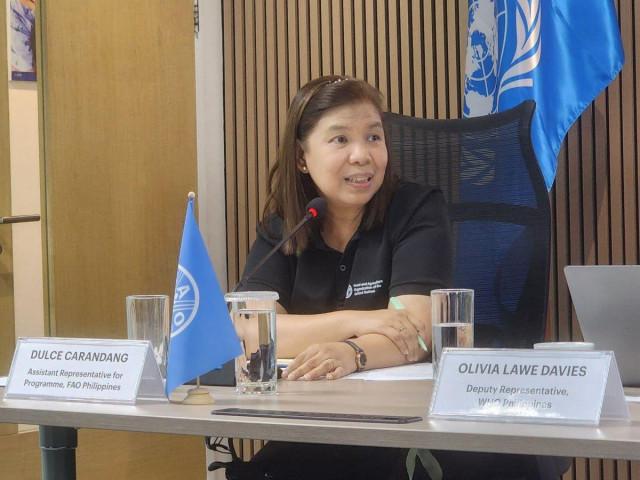
'Drought isn't just about the lack of rain. We also need to look at the state of our soil, the health of our groundwater,' says Dulce Carandang, assistant representative for programme, Food and Agricultural Organization (FAO) Philippines, during a press conference in Makati City on Thursday, October 22, 2026. MARIEL CELINE SERQUIÑA
Part of assessing the soil's health is its ability to absorb nutrients for plants, which could impact the food production.
"What we need to know with agricultural drought, which of course impacts on food production, 'yung, ano ba 'yun? Kamusta na 'yung soil health? Can it still absorb plants?" Carandang told GMA News Online in an interview.
According to the United States Department of Agriculture, soil health is the continued ability of soil to function as a living ecosystem that sustained plants, animals, and humans.
"It plays a critical role in regulating water, filtering pollutants, cycling nutrients, sustaining soil habitats, and promoting plant growth," the US agency said.
Carandang said the Bureau of Soils and Water Management is currently working with concerned agencies in gathering information about the country's state of vegetation.
"Climate science is evolving, it's progressing. And what is critical is that they (farmers) get all this updated information so that they know when to make the adjustment," the FAO official said during the press briefing.
The Department of Agriculture and the Philippine Space Agency recently signed a five-year agreement to use satellite technology to help monitor and protect farms and fishing areas from the effects of El Niño.
The satellite will monitor crop health, map flooding and dry spells, assess irrigation infrastructure, forecast harvests and identify areas at risk of agricultural damage. — VDV, GMA News
KioskNews shows a cleaned-up reading view extracted from the publisher’s page — the original always lives on their site, not ours.