Activists ask ECI to widen Nov 6 relief for voters left out of SIR draft rolls
Activists Anjali Bhardwaj and Amrita Johri have asked the Election Commission of India (ECI) to widen its November 6 relief for voters left out of the draft rolls and cover every voter on the Absent, Shifted, Dead, Duplicate (ASDD) lists across the country, not just the seven states where the Special Intensive Revision (SIR) is underway.
On November 6, the ECI wrote to the Chief Electoral Officers of Delhi, Maharashtra, Haryana, Andhra Pradesh, Jharkhand, Telangana and Nagaland to facilitate the inclusion of such voters in the final rolls. It ordered that booth-wise lists of ASDD electors whose enumeration forms were never received be displayed afresh at polling stations, panchayat bhawans and urban local body offices.
Bhardwaj and Johri welcomed the November 6 directive. They said that not requiring Form 6 (meant for first-time voters), restoring old Electors Photo Identity Card (EPIC) numbers, and accepting Booth Level Officer (BLO) field verification reports as residence proof for homeless voters were vital steps forward.
They backed the emphasis on public awareness, noting that grassroots experience shows many affected people do not know they are on the ASDD list. But they said these safeguards should have been embedded in the SIR design from the beginning to prevent widespread disenfranchisement.
An ECI official said they received Bhardwaj and Johri’s November 10 letter and will go through the demands. “Whatever is feasible and important to facilitate ordinary voters will be implemented. Regarding extending the exercise to states other than those where SIR is ongoing, the commission has already cleared that SSR [Special Summary Revision] has been announced in those states.”
SSR is a routine exercise used to update rolls. Unlike SIR, it does not build rolls from scratch. SSR involves changes to existing entries.
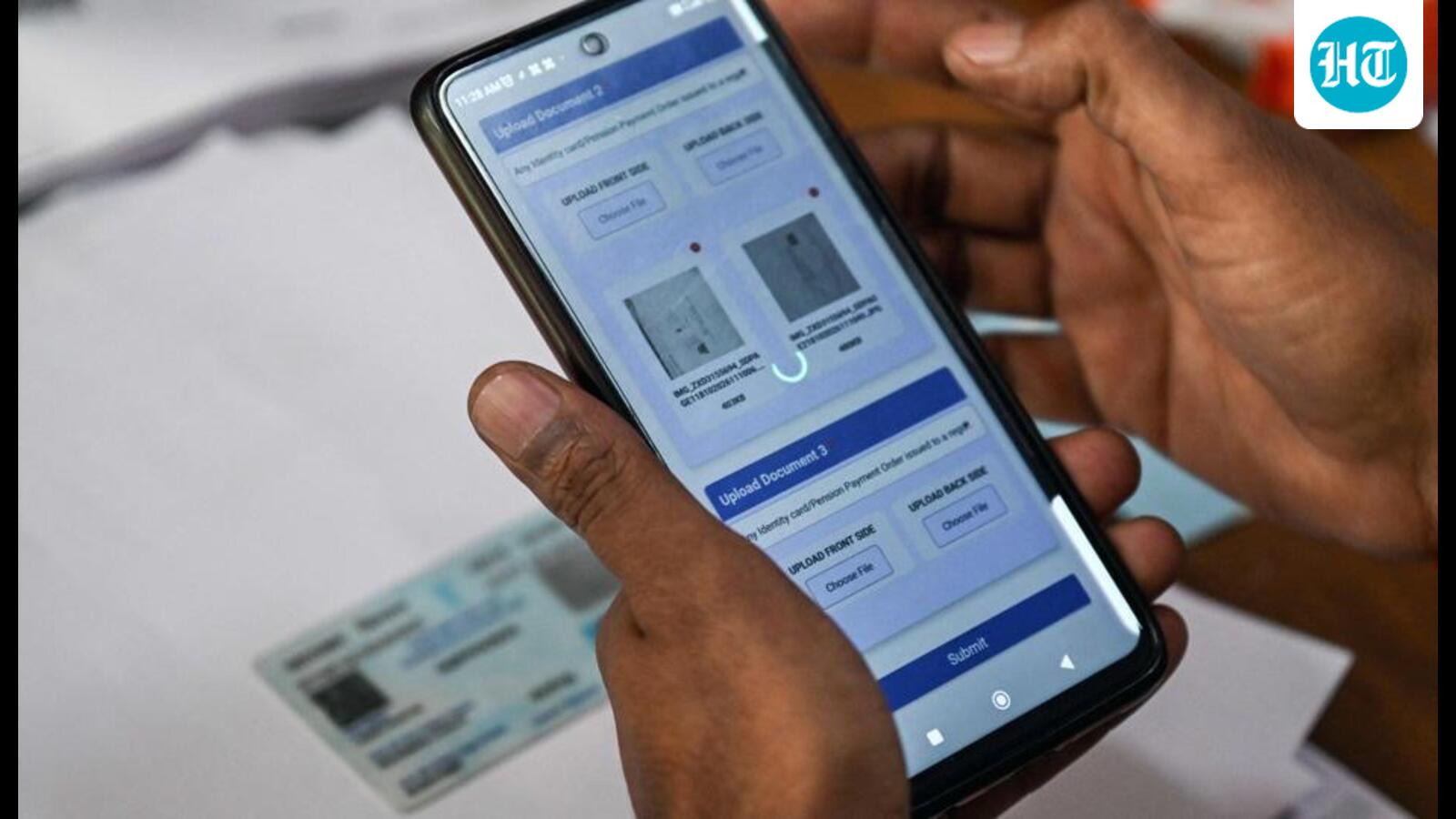
The November 6 directive mandated District Election Officers and Electoral Registration Officers (EROs) to reach out to voters via physical delivery, WhatsApp, email, or SMS. Electors can also download or fill forms through the ECI website or ECINET app by entering the same EPIC number they held before deletion.
Voters who missed the earlier deadline can now submit an enumeration form with a statement explaining the delay. They are not required to use Form 6. Those who submit the form with the applicable statement will have their old EPIC number reassigned. Electors who already submitted Form 6 for fresh enrolment during the SIR need not submit the enumeration form again.
The November 6 directive followed the Supreme Court’s October 28 observations in the Delhi SIR matter. The bench flagged the practice of making ASDD voters fill Form 6, which carries a first-time voter declaration, as an error. The court called it a structural incongruity.
Johri and Bhardwaj flagged concern over voters who already filed Form 6 and added that the new ECI framework treats ASDD voters differently based on when they acted. Those who filed Form 6 before November 6 are processed as new voters with fresh EPIC numbers, while those who waited can now use the enumeration form and get their old numbers back.
The activists noted this is the structural incongruity the Supreme Court flagged. They argued that Form 6 filers should not be misclassified as new voters, and that the first-time voter declaration these voters signed will remain permanently on official records despite the ECI’s November 3 clarification.
The activists asked the ECI to identify such voters, ask them to submit enumeration forms, cancel their Form 6 and re-issue their earlier EPIC numbers. They urged the ECI to publish, through a dashboard or daily bulletins, how many ASDD-listed people have filled enumeration forms and how many have been approved.
The activists noted that the November 6 procedures cover only seven states and territories. They added that 13.3 million voters who were on the rolls before the SIR were left out of the draft rolls and placed on ASDD lists nationwide.
The activists underlined that 4.52 million of these are in the seven states. They added that voters elsewhere facing identical exclusions remain unprotected and sought remedies extended to all voters in a similar legal position, including automatic restoration of old EPIC numbers for those previously made to file Form 6.
KioskNews shows a cleaned-up reading view extracted from the publisher’s page — the original always lives on their site, not ours.