In 3 Months, Apple TV Will Officially Prove There's No Such Thing As An Unfilmable Book

Cathal Gunning has been writing about movies, television, culture, and politics online and in print since 2017. He worked as a Senior Editor in Adbusters Media Foundation from 2018-2019 and wrote for WhatCulture in early 2020. He has been a Senior Features Writer for ScreenRant since 2020.
At the start of 2027, Apple TV’s exciting cyberpunk novel adaptation will finally prove that even the most ambitious and surreal sci-fi novels can and should make it to the screen. Some novels, particularly ambitious works in the sci-fi genre, are often hit with the label “unfilmable” due to their ambitious, wild premises, complicated world building, or daring subversions of typical storytelling tropes.
Some of these books, like Ursula K. Le Guin’s seminal The Left Hand of Darkness, have become influential genre classics without ever receiving screen adaptations. Others, like author Philip K. Dick’s infamously knotty Do Androids Dream of Electric Sheep, spawn movie adaptations like Blade Runner that manage to become cult classics despite initially confounding both reviewers and audiences upon their original release.
In late 2026, Prime Video is preparing to release the sequel series Blade Runner 2099 and Netflix’s epic sci-fi show 3 Body Problem, based on Chinese novelist Liu Cixin’s supposedly unfilmable novel trilogy Remembrance of Earth's Past, has earned a two-season renewal from the streaming giant. As such, it may seem fair to suggest that the “unfilmable” myth has been well and truly busted. However, it is Apple TV’s upcoming William Gibson adaptation Neuromancer that will truly decide this debate.
Apple TV’s Neuromancer Brings William Gibson’s Iconic Cyberpunk Novel To The Screen

Over the past decade, every streaming service has attempted to establish itself as a serious contender in the world of small screen sci-fi. While Hulu has Paradise, The Handmaid’s Tale and its spinoff The Testaments, and the upcoming reboot of The X-Files while Netflix has hits like Stranger Things, Black Mirror, Love, Death & Robots, and the aforementioned 3 Body Problem, none of these services have come to dominate the genre quite like Apple TV.
From the alien thriller Invasion to the Isaac Asimov adaptation Foundation, from the post-apocalyptic thriller Silo to the dark corporate satire Severance, Apple TV has displayed an unparalleled commitment to bringing ambitious, immersive sci-fi stories to life onscreen. The fact that the same streaming service created the MonsterVerse’s spinoff series Monarch: Legacy of Monsters and the tense, paranoid time-twisting thriller Dark Matter proves just how diverse Apple TV’s range of sci-fi shows is.
As such, it makes perfect sense for the streaming service to finally, after countless failed attempts, adapt Gibson’s iconic 1984 novel Neuromancer to the screen in 2027. Set a few years into the future, Neuromancer follows a cynical hacker, Case, who finds himself locked out of his cyberspace home, “The Matrix,” and forced to live a squalid existence in the real, offline world after he is caught scamming his employers.
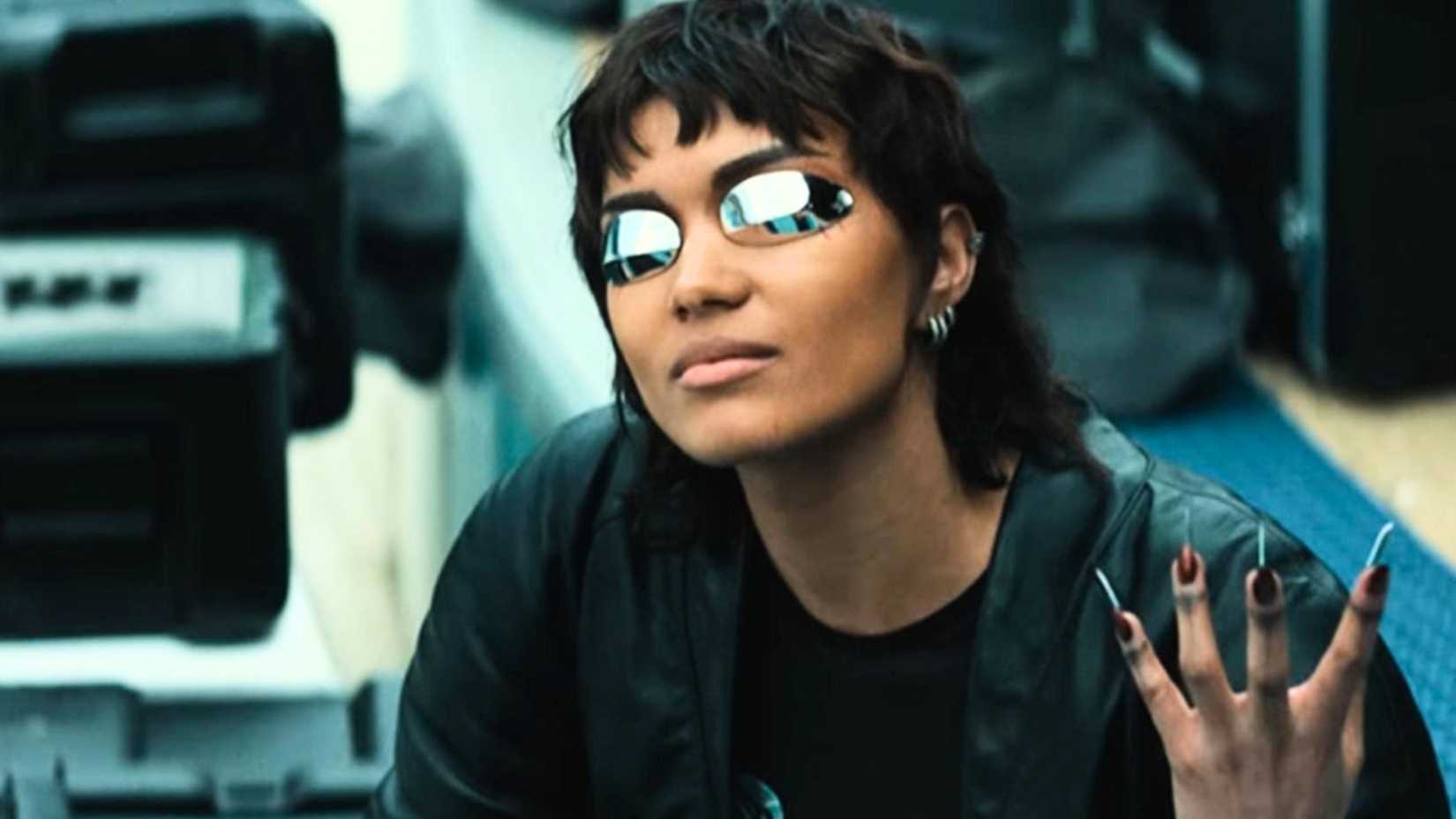
When the alluring “Razorgirl” Molly makes Case an enticing offer, the hard-up antihero is intrigued. Molly claims that she can regain Case’s access to The Matrix, but only if he helps her and a crew of criminals pull off a heist. A blend of classic heist story, paranoid film noir-style mystery thriller, and gritty, visionary sci-fi, Gibson’s book is both incredibly influential and infamously tough for new readers.
Why Neuromancer’s Screen Adaptation Took So Long
Neuromancer introduced concepts like cyberspace over a decade before movies like The Matrix normalized these ideas, and the fact that the hallucinatory novel was influenced by William S. Burroughs’ trippy Naked Lunch made its story all the more impenetrable for some readers. Compared to more accessible cyberpunk classics like RoboCop, the book’s bouncing between reality and virtual, across various global settings, makes Neuromancer a challenging read.
This explains why the screen adaptation of Neuromancer took so long to happen, even though Gibson’s book has influenced countless movies and TV shows in the years since its original publication. Luckily, Apple TV’s take on Neuromancer looks both visually stunning and faithful to the novel, meaning it’s not too late for viewers to get the screen adaptation they’ve wanted for decades now.

- Release Date
- January 22, 2027
- Network
- Apple TV+
- Showrunner
- Graham Roland
-

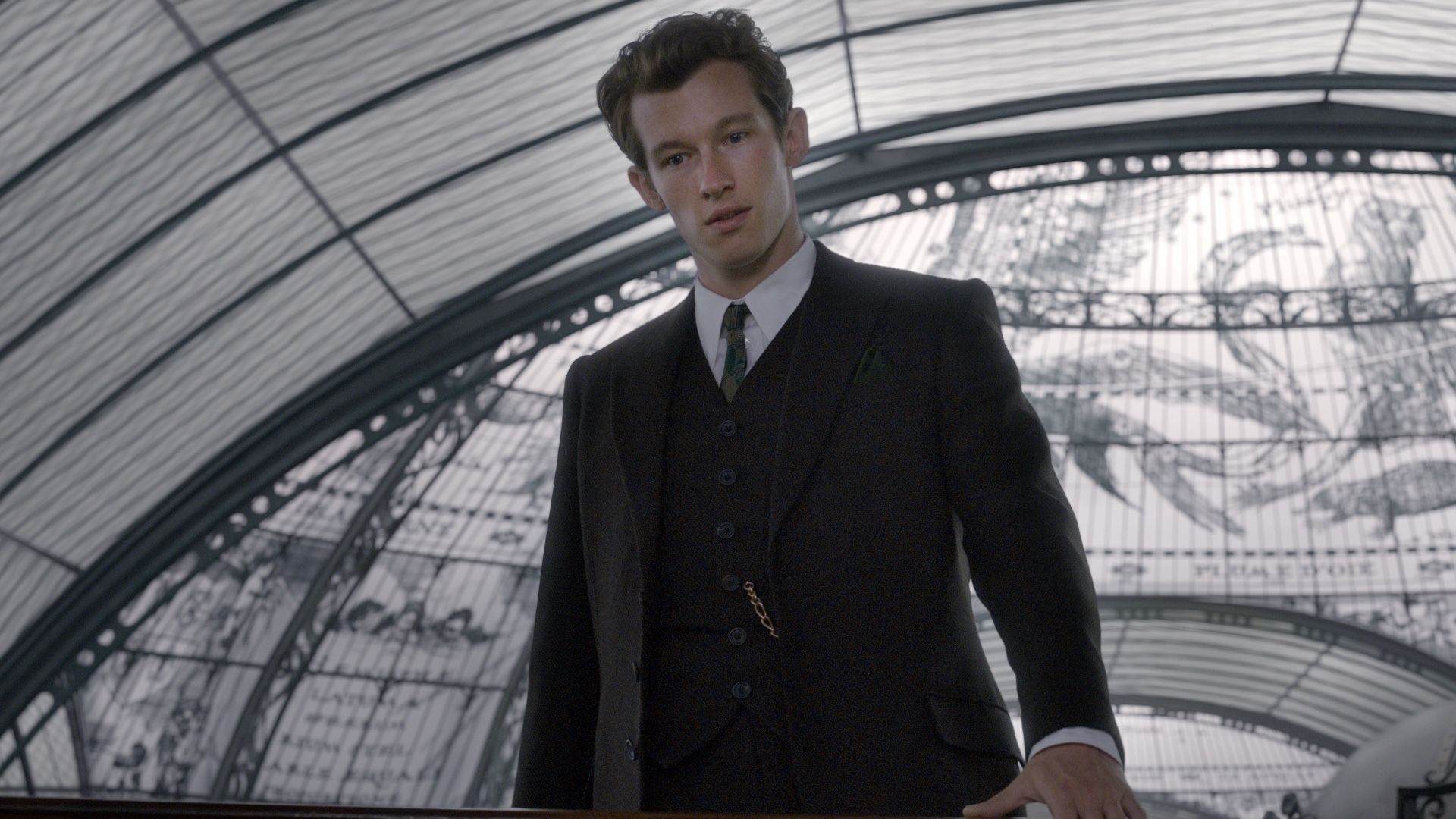
Callum Turner
Henry Case
-

Briana Middleton
Molly
-

Mark Strong
Armitage
-

Peter Sarsgaard
John Ashpool
- Directors
- J.D. Dillard
- Creator(s)
- J.D. Dillard, Graham Roland
KioskNews shows a cleaned-up reading view extracted from the publisher’s page — the original always lives on their site, not ours.