Chinese scientists’ magic comb restores hair growth by nearly 100% in mice study
For the more than 1.5 billion people worldwide who suffer from androgenetic alopecia, combing their hair before the mirror each morning is a routine that is often accompanied by quiet anxiety.
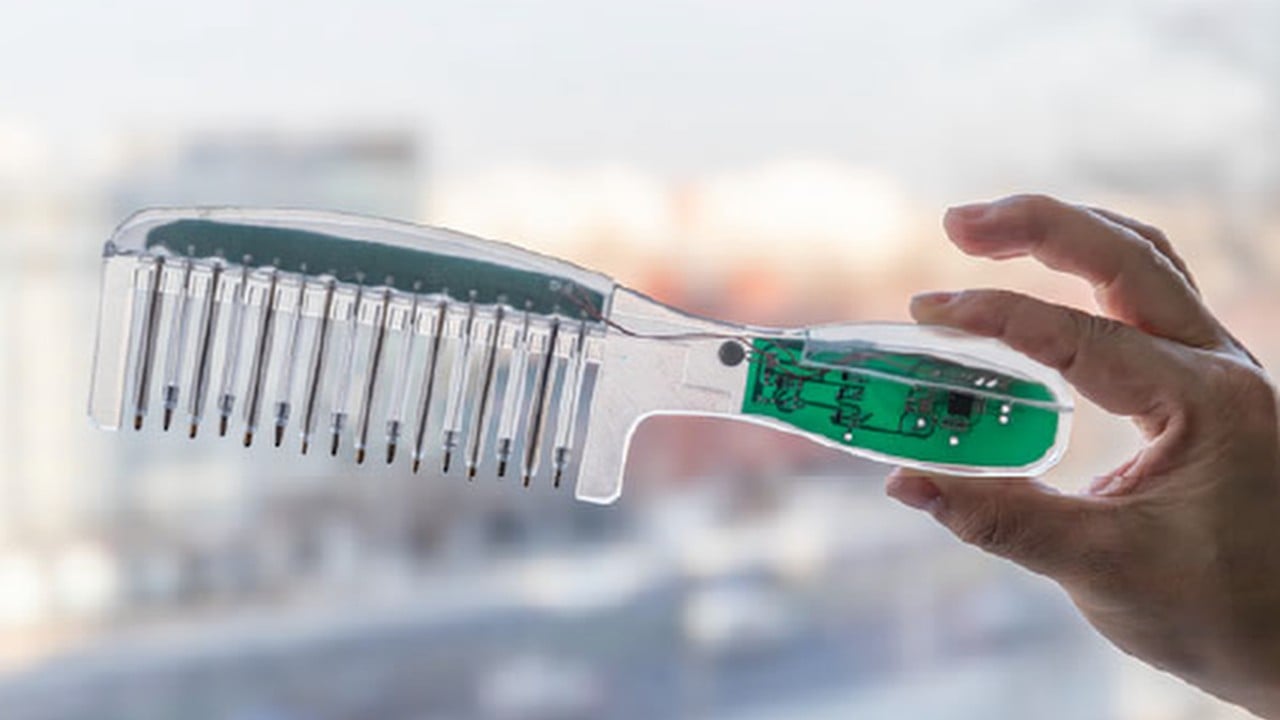
However, this most ordinary everyday tool may hold the key to reversing hair loss, according to a Chinese research team which developed a comb that uses microelectronics to treat hair loss.
A study on mice has found that nearly 100 per cent hair coverage was achieved in just 28 days using the device, compared with a rate of around 70 per cent for the topical medication minoxidil, the most commonly used hair-growth treatment.
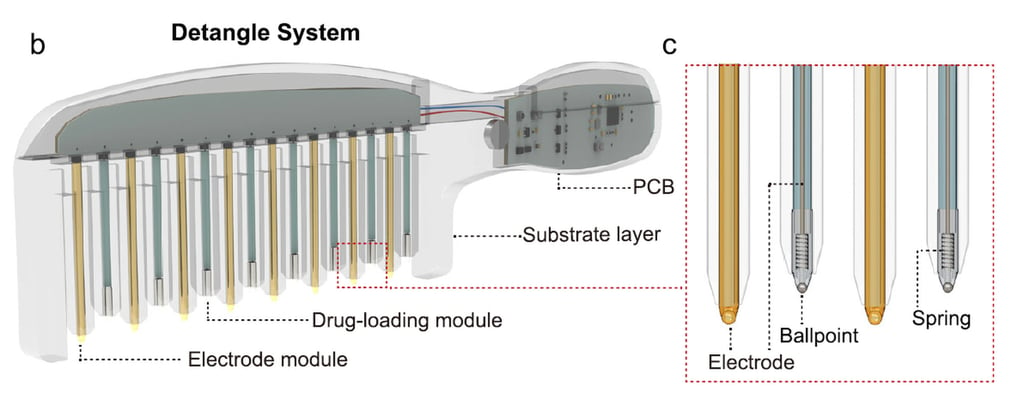
The comb features a microelectronic control circuit and a drug-release module – similar to a ballpoint pen refill. These were precisely integrated within its interleaved long and short teeth, the researchers said in an early access version of their peer-reviewed paper.
When the comb’s teeth glide across the scalp, the system releases a directional pulsed electric field that, while driving hair-growth molecules deep into the skin, briefly opens the “gates” of hair follicle cells.
The study, a collaboration between researchers from Beihang University and City University of Hong Kong, was published in the journal Nature Communications on November 3.
“The Detangle system proves safe and effective for deep tissue delivery in dermatology,” the researchers wrote.
According to the paper, the comb’s name was inspired by the 2010 animated Disney film Tangled, in which the character Rapunzel has to manage 70 feet (21.3 metres) of golden hair.
During combing, the Detangle can simultaneously generate an electric field and deliver two medications – one that improves blood vessel production around the follicles while the other inhibits enzyme conversion to androgens, the main cause of hair loss.
The electric field, generated by the long and short comb teeth, is triggered by the combing motion as the device pulls on the skin. The field’s strength was 2.63 times that of conventional electrodes, the paper said.
The medication, stored in a release module on the Detangle’s shorter teeth, is delivered simultaneously as the comb comes into contact with the skin. The action of the electric field means it can penetrate deeper than conventional topical applications.
In laboratory testing, the researchers found the system delivered molecules from the skin’s surface to a depth of around 660 micrometres within one second of performing a combing motion.
The result was more than nine times the 74-micrometre depth achieved by conventional topical medications and more than two times that of conventional electrodes, which reach around 250 micrometres, the researchers said.
At the Detangle’s achieved depth, the transmembrane potential induced by combing exceeded 0.7 volts, enabling efficient delivery of drug molecules on the comb into hair follicle cells through the electroporation effect, according to the paper.
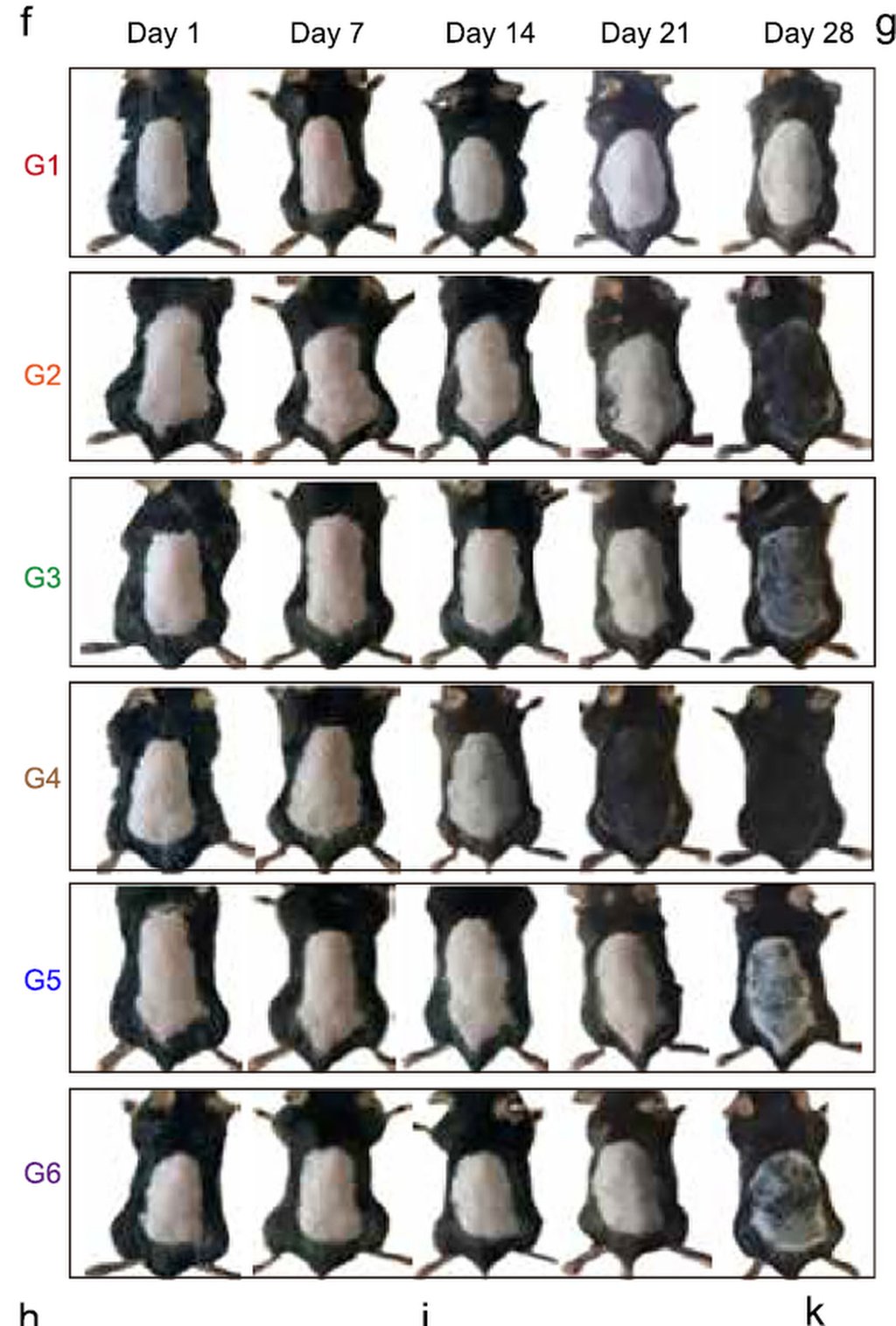
The mice in the study that received no treatment regrew only about one per cent of hair in the depilated area within 28 days. In those treated only with the Detangle’s electrical pulse stimulation, the regrowth rate increased to around 40 per cent, it said.
The study found that the mice receiving electrical stimulation combined with the two therapeutic molecules every three days had reached 97.85 per cent hair coverage by day 28.
By comparison, the hair regeneration rate in mice using the traditional hair-growth drug finasteride was around 50 per cent while those treated with minoxidil reached around 70 per cent.
Further testing showed that the combination treatment group also exhibited improvements in hair follicle count, local blood flow and vascular-related indicators, the paper said.
The research team also examined the mice for indicators related to skin, inflammation and nerve damage and found no obvious abnormalities under the experimental conditions used.
The paper does not indicate whether human clinical trials are planned or if the comb is intended for market entry. However, the researchers noted that the medication delivery system might be useful in the treatment of other conditions, not just hair loss.
“The Detangle system presents a versatile platform for co-delivering therapeutic agents beyond metabolic modulation,” they concluded.
The South China Morning Post has contacted the authors for comment.
Passionate about science? Dive deeper with the Dark Matters newsletter, a weekly in-depth analysis on China’s rise in science, technology and military that goes beneath the surface. Sign up for free now.
KioskNews shows a cleaned-up reading view extracted from the publisher’s page — the original always lives on their site, not ours.