Rubio kicks off India visit with trade deal, Russian oil on agenda
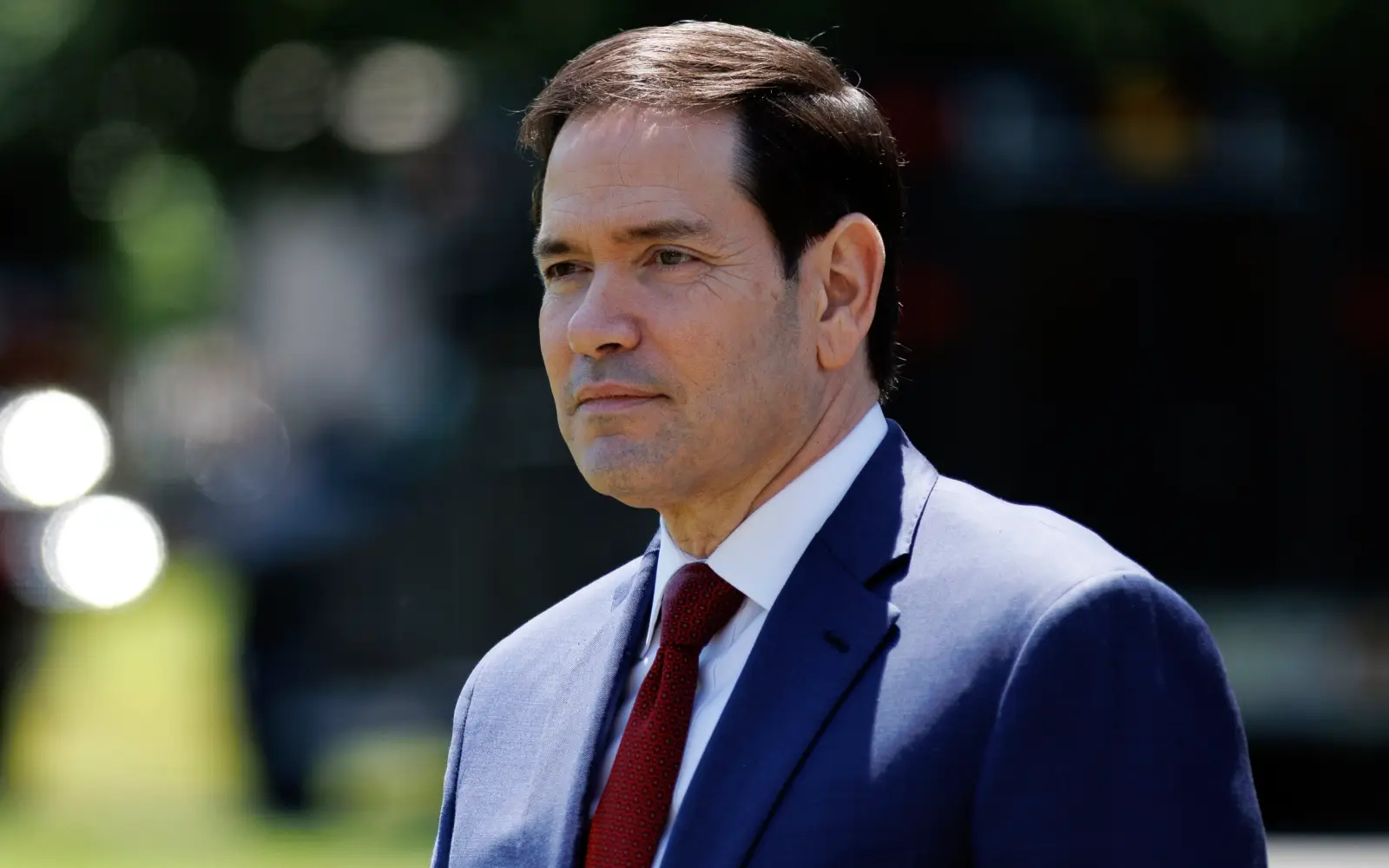
US Secretary of State Marco Rubio will travel to India on Tuesday, days after President Donald Trump delayed tariffs on US imports from the world’s largest democracy as the two countries seek to finalize a trade deal.
During the two-day visit to Mumbai and Jamnagar in western India, Rubio is slated to meet government and business leaders, including Foreign Minister S. Jaishankar and billionaire Mukesh Ambani, chairman of Reliance Industries, which operates the world’s largest refining complex at Jamnagar.
Rubio and other officials have said in recent days that a comprehensive trade deal between the two nations is almost complete, raising the possibility that it could be signed during the secretary’s visit.
Trump removed one potential stumbling block last Friday when he waived potential tariffs that would have punished New Delhi for the nation’s extensive Russian crude oil purchases.
Under legislation signed by Trump in September, the administration is authorized to impose tariffs of up to 100% on the top five importers of Russian oil, which would include India, which is number two on that list after China. Trump’s decision to waive all substantive provisions of that bill has upset both Democrats and Republicans who have pushed him to up economic pressure on Moscow for its war with Ukraine.
Rubio has said in recent days that the effort to finalize a trade deal was a factor in the decision to waive those tariffs. He also said that India has been diversifying its import mix away from Russian crude, even as it still buys millions of barrels of Russian oil every day.
He said the administration was entering a 60-day review period, during which it would consider which new tariffs, if any, to enact.
“You’ve got countries like India, for example, that have voluntarily diversified their energy portfolio, but are still getting a substantial amount of energy from Russia because it’s hard to pivot from one day to the next,” Rubio said on Sunday. “But they’re also an important ally and partner of the US.”
While the Trump administration has in the past pressed India to cut Russian oil imports, the US signed a deal with Russia last week to import diesel to bring down domestic fuel prices before the midterm elections, making it unclear to what extent that remains a foreign policy priority.
“Every country has a complex set of factors that they have to take into account,” Rubio told reporters on Monday when asked about India’s Russian oil purchases. “Geography is real. For some countries, it’s very difficult to acquire energy from alternative sources.”
India imports more than 85% of its crude oil requirements to help power its fast-growing economy.
Rubio is slated to fly into Mumbai from Samarkand, Uzbekistan, where he was meeting with Central Asian political and business leaders.
Subscribe to our newsletter and get news delivered to your mailbox.
KioskNews shows a cleaned-up reading view extracted from the publisher’s page — the original always lives on their site, not ours.