Myanmar’s will to fight money laundering questioned as tougher curbs loom
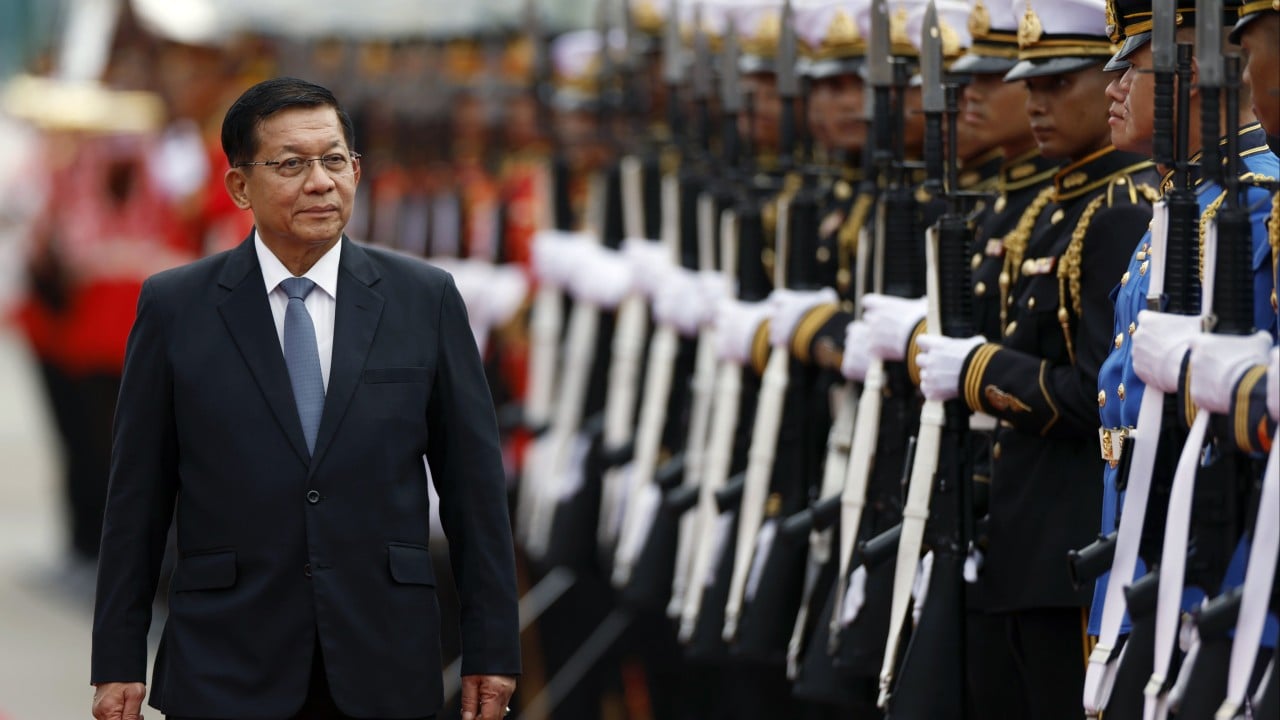
Myanmar’s military-backed government may find its reluctance to address the international community’s concerns a greater obstacle to economic recovery than the threat of tougher international financial restrictions, according to analysts.
The Financial Action Task Force (FATF), the global money-laundering and terrorist-financing watchdog, warned on October 30 that it could consider further measures against Myanmar if it failed to remedy shortcomings in its financial safeguards by February.
Myanmar has been on the FATF blacklist since 2022. The designation subjects financial transactions with the country to enhanced scrutiny, raising costs and complicating business dealings. Only Iran and North Korea share the same status.
On Thursday, Japan’s Ministry of Finance denied a Reuters report, published on October 30, that Tokyo was pushing for Myanmar’s removal from the blacklist to make it easier to do business there.
“There is no fact that the Japanese government sought to have Myanmar removed from the FATF blacklist. Japan hopes that Myanmar will make the necessary improvements to strengthen its measures against money laundering and related illicit activities,” the ministry said in a statement published by Reuters.
It added that Japan did not say it wanted Myanmar removed at a closed-door meeting of the 40-member global body held in Paris on October 30, after which Myanmar stayed on the list.
Reuters cited a senior Japanese government official and another person familiar with the matter in its report. One of the sources has since stood by the account.
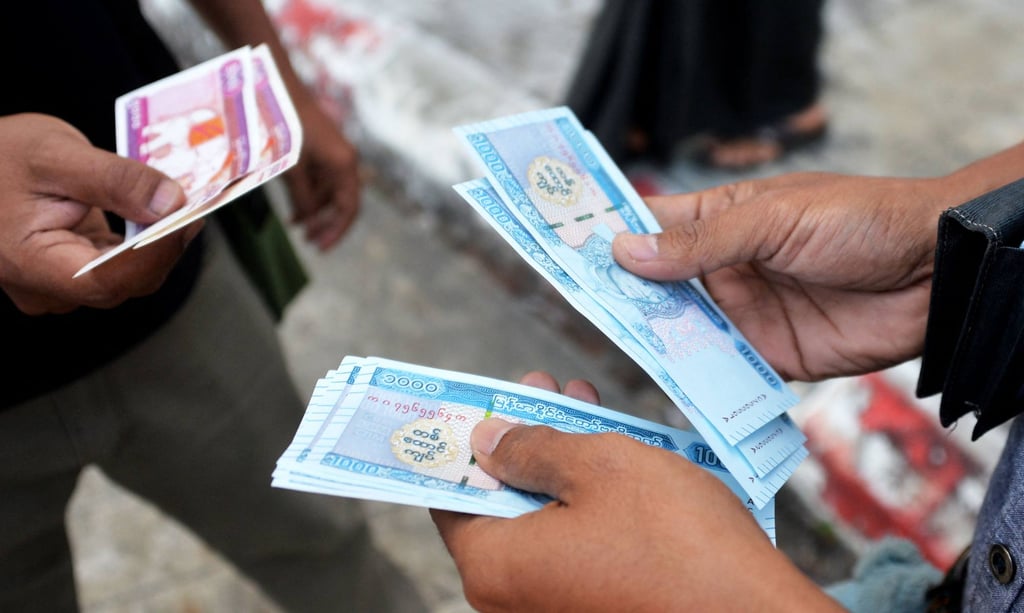
Last Saturday, Myanmar’s military-backed government said in a statement to Reuters that “friendly countries” were supporting its bid for removal from the list, naming Japan among them.
“The United States, China, Japan, India, South Korea and Indonesia recognise Myanmar’s efforts. We are grateful to all of them for acknowledging Myanmar’s current progress,” it said, without elaborating.
Questions remain over whether Myanmar’s efforts amount to meaningful reform. FATF has called for better use of financial intelligence and for more investigations and prosecutions of money laundering.
Jared Bissinger, a visiting fellow with the Myanmar studies programme at the ISEAS – Yusof Ishak Institute in Singapore, told This Week in Asia that Myanmar had taken some steps to address items on FATF’s action plan.
These included an anti-online scam law passed in July and a crackdown on informal money agents, known locally as hundis.
“However, these steps come across as performative and self-serving,” Bissinger said, noting that the crackdown was mainly intended to force migrant workers to use the state-controlled financial system when sending remittances home.
“This benefits the regime but leaves migrant workers worse off because they get a lower exchange rate from the state-controlled system,” he said.
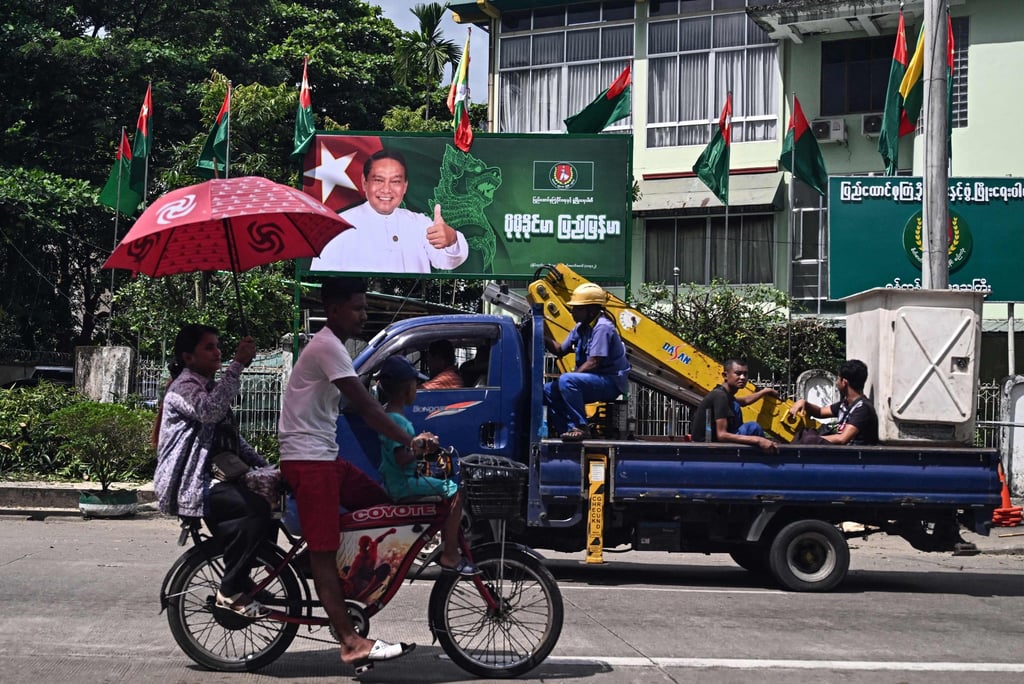
Last month, a joint investigation by the activist group Justice For Myanmar and Reuters reported that the regime’s Foreign Exchange Supervisory Committee had issued falsified import documentation to a private company to import jet fuel to bypass US and international sanctions.
Bissinger said this undermined any claim the country’s government was “genuinely committed” to anti-money-laundering and terrorism financing compliance. “The forging of documentation raises questions about whether they themselves are the money laundering concern,” he added.
Removing Myanmar from the blacklist could now be seen as rewarding it for “performative” measures, Bissinger said.
Japan has considerable economic interests in Myanmar, including a large stake in the Thilawa Special Economic Zone, located about 25km (15.5 miles) southeast of downtown Yangon.
“In recent years, the increased scrutiny of financial transactions with Myanmar has increased the burden on Japanese businesses when doing financial transactions with the country,” Bissinger said.
Min Zar Ni, an independent Myanmar researcher based in Japan, said Japanese business activity in the country had rebounded since 2022 but remained below pre-2021 coup levels.
Tokyo likely anticipated that fewer barriers to international fund transfers could support businesses already operating there and help Myanmar migrants in Japan send money home, he said.
For now, extra bank had meant higher costs, delayed payments and greater difficulty arranging trade finance or transferring investment funds, he added.
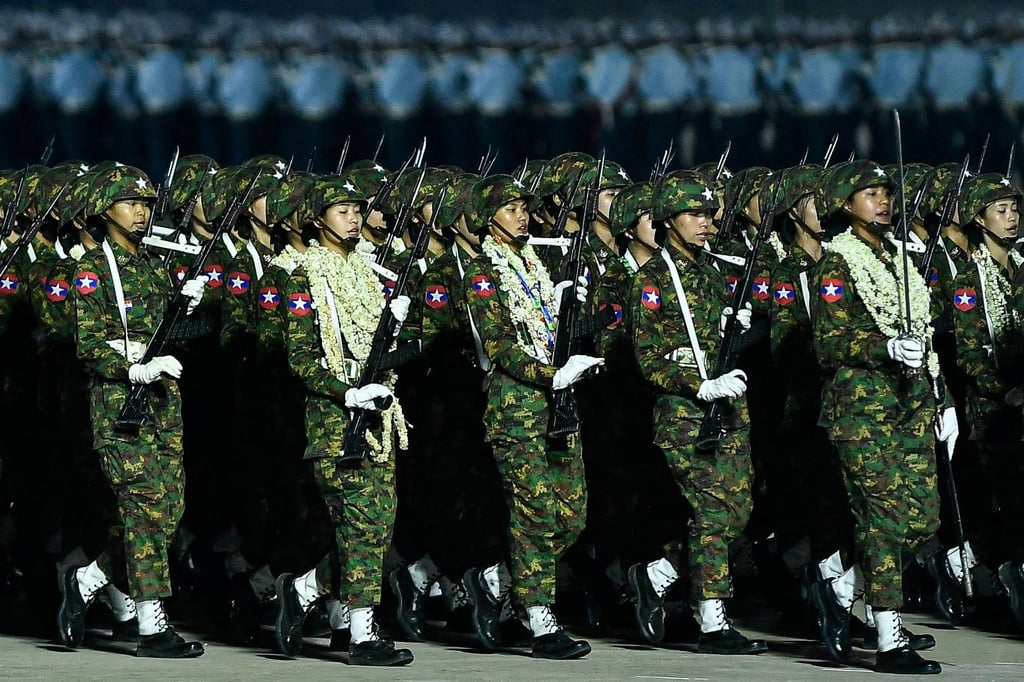
Sam Baron, a research fellow at the Yokosuka Council on Asia-Pacific Studies, said Japan had kept the strongest links among regional countries with senior Myanmar figures, including Min Aung Hlaing, the former junta chief who assumed the presidency after the regime-managed 2025-26 general election.
“This makes Japan a particularly effective interlocutor in American engagement with the regime,” he said.
Baron said Japanese officials might have lobbied for removal from the FATF blacklist through private intermediaries.
“The Japanese have frequently used special envoys and other intermediaries not technically part of the government to negotiate with the regime in the past,” he said. “This shadow diplomacy is somewhat distinctive to the Japanese approach.”
Tokyo had hosted talks between representatives from Washington and Myanmar’s government, he added, acting as “a bridge” and probably “taking policy actions that Washington may not be able to”.
Min Zar Ni said Japan was likely seeking to engage with Myanmar by involving the US and the Association of Southeast Asian Nations, while keeping the question of Naypyidaw’s political legitimacy separate.
Japan has not formally recognised Myanmar’s new government but, unlike other G7 countries, had imposed no direct economic sanctions, he added.
KioskNews shows a cleaned-up reading view extracted from the publisher’s page — the original always lives on their site, not ours.