Taiwan remains Asia’s ‘most dangerous’ issue, former Singaporean diplomat warns
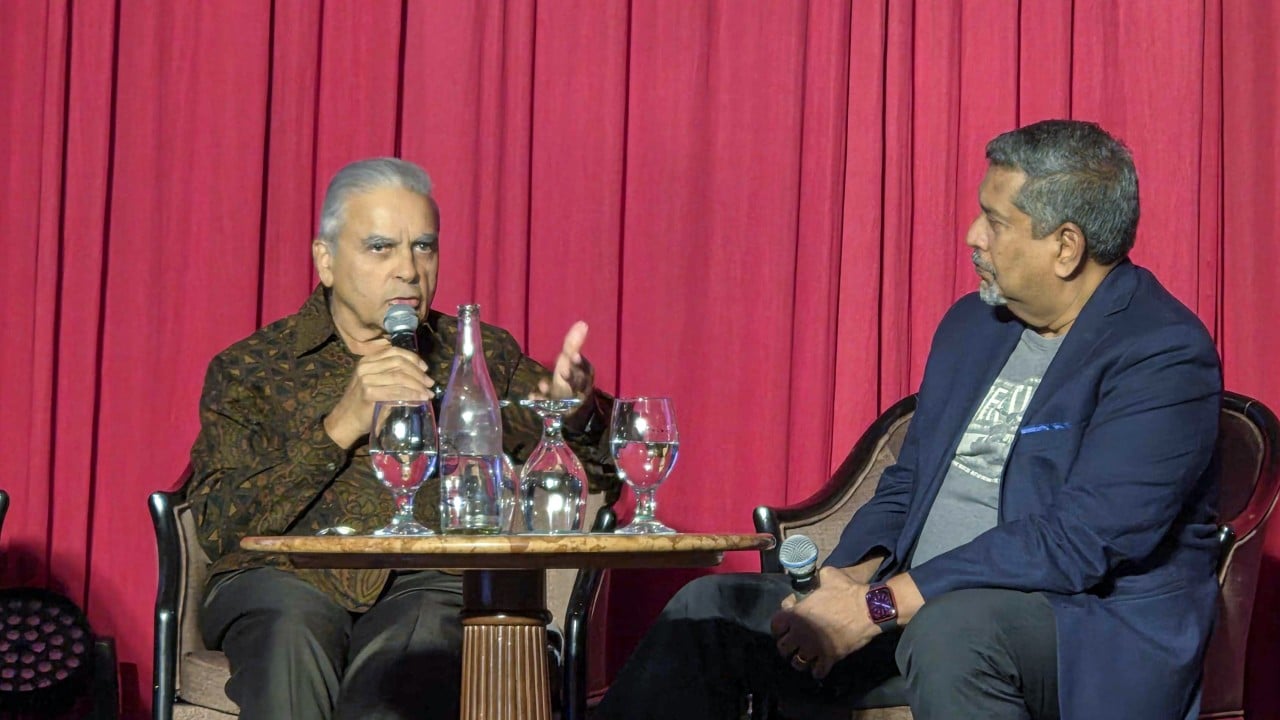
Asia remains shackled by “mental colonisation” despite accounting for over half the global population, a former UN Security Council president has said, while warning that Taiwan remains the region’s most dangerous flashpoint.
“The big mistake that Asians made after the end of colonial rule [is assuming] that the end of physical colonisation would automatically mean the end of mental colonisation,” veteran Singaporean diplomat Kishore Mahbubani told the inaugural Penang Peace Dialogue in Malaysia on Saturday.
The lack of confidence to challenge Western-dominated narratives “continued for several decades”, he added.
But the tide may be turning. “What is happening now is a major reversal in history where the Western states are effectively losing their self-confidence and the Asian states are gaining confidence,” Mahbubani said.
However, despite this “major transition point in world history”, he said the shift of power towards Asia had yet to reach a tipping point “where the Asian states will have the greatest say in the world [in the way] that the Western states [now] do.”
Home to China and India, the world’s two most populous nations, Asia accounts for roughly 60 per cent of the global population, or 4.3 billion people.
Mahbubani also said improving China-India relations was vital for Asia’s future, with Southeast Asia needing to play a more active role in pushing for better ties between them.
KioskNews shows a cleaned-up reading view extracted from the publisher’s page — the original always lives on their site, not ours.