Jetzt live: Wer bekommt den Medizin-Nobelpreis?
The Nobel Assembly at Karolinska Institutet has decided to award the 2026 Nobel Prize in Physiology or Medicine jointly to
Karl Deisseroth
Peter Hegemann
Georg Nagel
“for their discoveries concerning light-gated ion channels and optogenetics”
Live now
Physiology or medicine – Monday, 5 October, 11:30 CEST at the earliest
Physics – Tuesday, 6 October, 11:45 CEST at the earliest
Chemistry – Wednesday, 7 October, 11:45 CEST at the earliest
Literature – Thursday, 8 October, 13:00 CEST at the earliest
Peace – Friday, 9 October, 11:00 CEST
Economic sciences – Monday, 12 October, 11:45 CEST at the earliest
To understand how the brain forms memories, feelings and behaviours has long been a dream for researchers. Karl Deisseroth, Peter Hegemann and Georg Nagel have been awarded the 2026 Nobel Prize in Physiology or Medicine for discoveries leading to optogenetics, which makes it possible to switch on, or off, the activity of individual nerve cells in a living brain. This method is now being used in laboratories around the world to reveal the brain’s mysteries.
Press release
Popular information: A light-sensitive algal protein energised neuroscience
Scientific background: Optogenetics. Discovery of a neuronal switch

© The Nobel Committee for Physiology or Medicine. Ill. Mattias Karlén
The Nobel Assembly at Karolinska Institutet has decided to award the 2026 Nobel Prize in Physiology or Medicine jointly to Karl Deisseroth, Peter Hegemann and Georg Nagel “for their discoveries concerning light-gated ion channels and optogenetics.”
Hegemann and Nagel discovered channelrhodopsin, a protein with unique properties. They found that regardless of which cell they put the protein in, those cells became light sensitive. Deisseroth introduced the gene for channelrhodopsin into nerve cells from rats. By illuminating the cells with blue light, he was able to trigger a nerve signal. Later, he made this light-controlled switch for nerve cells work in the brains of living mice.
This method for controlling nerve signals with light is now called optogenetics, and it has rapidly gained global impact.

Ill. Niklas Elmehed © Nobel Prize Outreach
Did you know that light could be used to trigger individual nerve cells?
-
117
medicine prizes have been awarded so far
See all medicine prizes and laureates -
31
years old: the youngest medicine laureate
Read about the 1923 laureate Frederick G. Banting -
87
years old: the oldest medicine laureate
Read about the 1966 laureate Peyton Rous
Explore related prizes from the archives
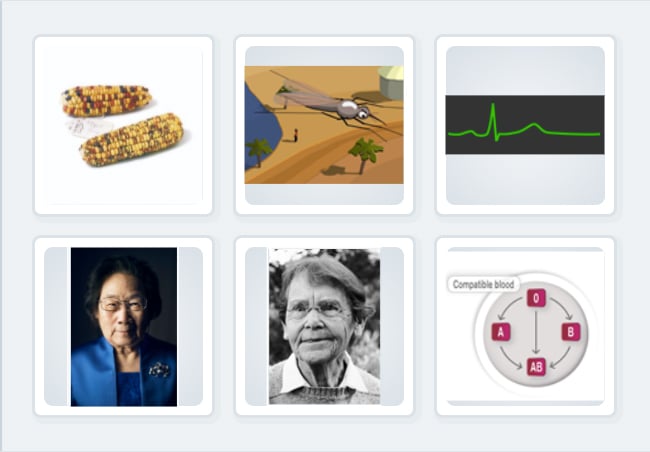
Can you match the right medicine laureate with the right discovery? Have a try!
Do you have what it takes to become a Nobel Prize laureate? We asked representatives from the committees who decide the Nobel Prize in Physiology or Medicine, Nobel Prize in Literature and the Nobel Peace Prize to provide some insight into what qualities they look for in a discovery, body of work or achievement.
-
Read more about the prize-awarding institutions.
-

The call from Stockholm woke 2023 medicine laureate Katalin Karikó.
-
Find answers to your questions in the FAQ.
-
Nomination starts
From September, thousands of people from all over the world are invited to nominate for the following year’s prizes. For the peace prize, an invitation letter is not required.
-
Deadline for nominations
The deadline for submissions is midnight on 31 January.
-
Evaluation process
Submitted nominations are considered by a Nobel committee of 5 to 10 members. Committees review the candidates, consult with experts and narrow down their list with the help of evaluation reports.
-
Final vote
After months of evaluation and discussion of candidates, the prize-awarding institutions take a final vote to select their newest laureates.
-
Announcements
The prizes are announced over a span of eight days.
-
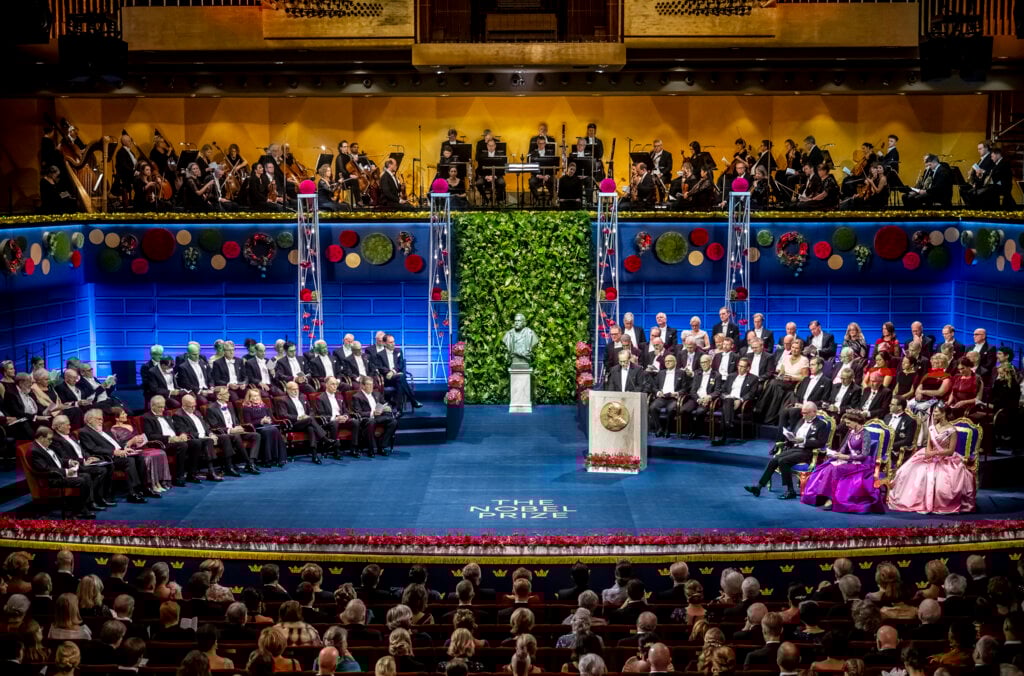
Nobel Day
The laureates receive their medals, prize money and diplomas in Stockholm and Oslo.
The Nobel Prize quiz
How much do you know about the Nobel Prize? Test your knowledge in this quiz!
The first design of the Nobel Center project is here – a public building in Stockholm, Sweden for science, literature and peace. It will be an international symbol of knowledge, focusing on the Nobel Prize laureates’ stories and groundbreaking achievements. Read more about the project.

View from the water along the quay. The Nobel Center consists of four interconnected volumes that relate to the buildings of Södermalm and the size and height of the buildings in Gamla stan, on the other side of the water. The choice to use a wooden frame and reclaimed bricks reduces the impact on the environment. Bricks have characterised the architecture of Stockholm for centuries. The red shade is found in Stockholm’s classic brick buildings, such as City Hall.
© Onirism/Nobel Prize Outreach
-
Explore powerful moments and life-changing discoveries.
Sign up for the monthly newsletter
Join thousands of global subscribers enjoying the free monthly Nobel Prize highlights, trivia and up-to-date information.
-
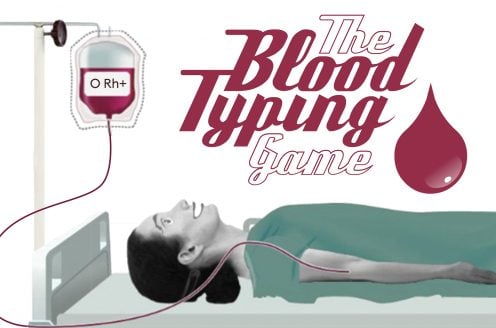
How much do you know about blood types? Try out in this game.
-

Learn about conditioned reflexes in this interactive game.
-
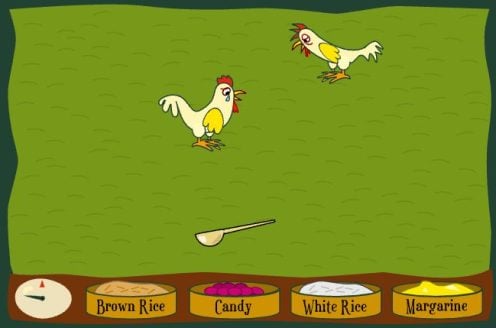
This fast-paced game relies on a keen knowledge of food containing vitamin B1.
Ada Yonath died on 31 August 2026, aged 87. She was awarded the Nobel Prize in Chemistry 2009 “for studies of the structure and function of the ribosome.”

Hideki Shirakawa passed away on 24 August 2026 in Yokohama, Japan, aged 90. He was awarded the Nobel Prize in Chemistry 2000 “for the discovery and development of conductive polymers.”

Rudolph Marcus passed away on 16 July 2026, aged 102. He was awarded the Nobel Prize in Chemistry 1992 “for his contributions to the theory of electron transfer reactions in chemical systems.”

Susumu Tonegawa died on 11 July 2026, aged 86. He was awarded the Nobel Prize in Physiology or Medicine 1987 “for his discovery of the genetic principle for generation of antibody diversity.”
KioskNews shows a cleaned-up reading view extracted from the publisher’s page — the original always lives on their site, not ours.