‘Double diabetes’: What it means, who is at risk and what to watch for
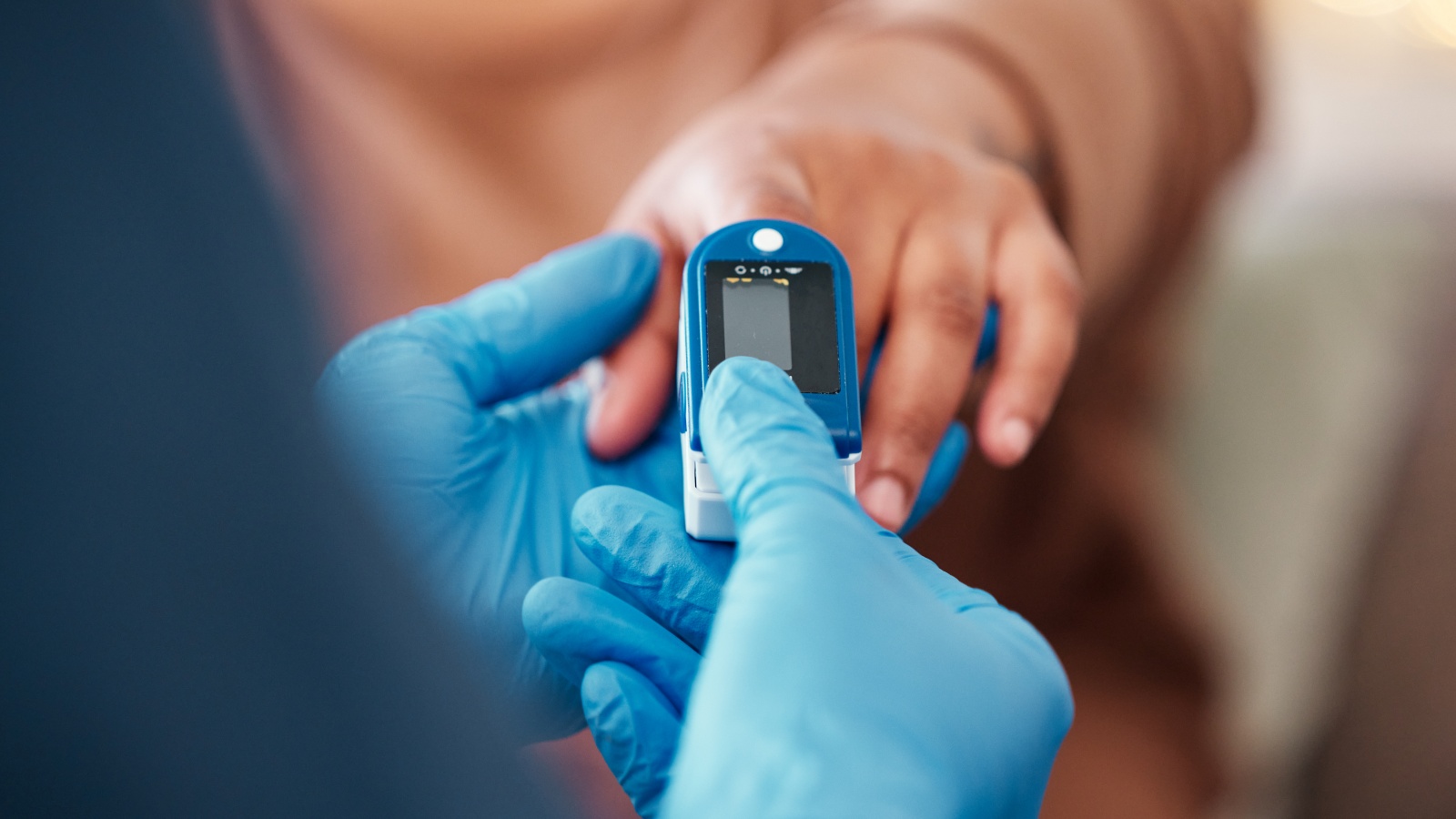
“Double diabetes” may sound like a person has been diagnosed with two different types of diabetes. But the informal term actually refers to something more specific: when a person with type 1 diabetes also develops insulin resistance, a feature commonly associated with type 2 diabetes, explains Dr Aarti Ullal, Physician and diabetologist at Gleneagles Hospital, Parel.
“It means the body needs more insulin to control blood sugar. It is not a separate type of diabetes. The term mainly describes this combination of conditions.” Dr Ullal tells indianexpress.com.
As the diabetologist explains, a person with double diabetes continues to have type 1 diabetes but may develop significant insulin resistance alongside it. This can make blood sugar harder to control and increase insulin requirements.
“So, the term describes overlapping features rather than two completely separate diagnoses,” Dr Ullal notes.
DISCLAIMER: This article is based on information from the public domain and/or the experts we spoke to. Always consult your health practitioner before starting any routine.
Why can this happen?
Dr Ullal points out that Type 1 diabetes occurs because the body does not produce enough insulin, but insulin resistance can develop later. Weight gain, low physical activity, genetics and other metabolic factors can play a role.
“The body’s cells then become less responsive to insulin. This can happen even though the person still has type 1 diabetes.”
Story continues below this ad
What signs should people with type 1 diabetes watch for?
There may not be obvious symptoms, so regular monitoring is important.
“Increasing insulin requirements, unexplained weight gain or difficulty keeping blood sugar controlled can raise suspicion,” Dr Ullal warns.
Increased waist circumference and high blood pressure may also occur. Doctors consider these findings along with the person’s overall metabolic health.
Who is more likely to develop it?
People with type 1 diabetes who gain excess weight or have more abdominal fat may have a higher risk.
Story continues below this ad
“A family history of type 2 diabetes can also contribute,” Dr Ullal said. Low physical activity and an unhealthy diet may further increase the risk.
However, these factors do not explain every case. “It can develop in different people for different reasons,” she said.
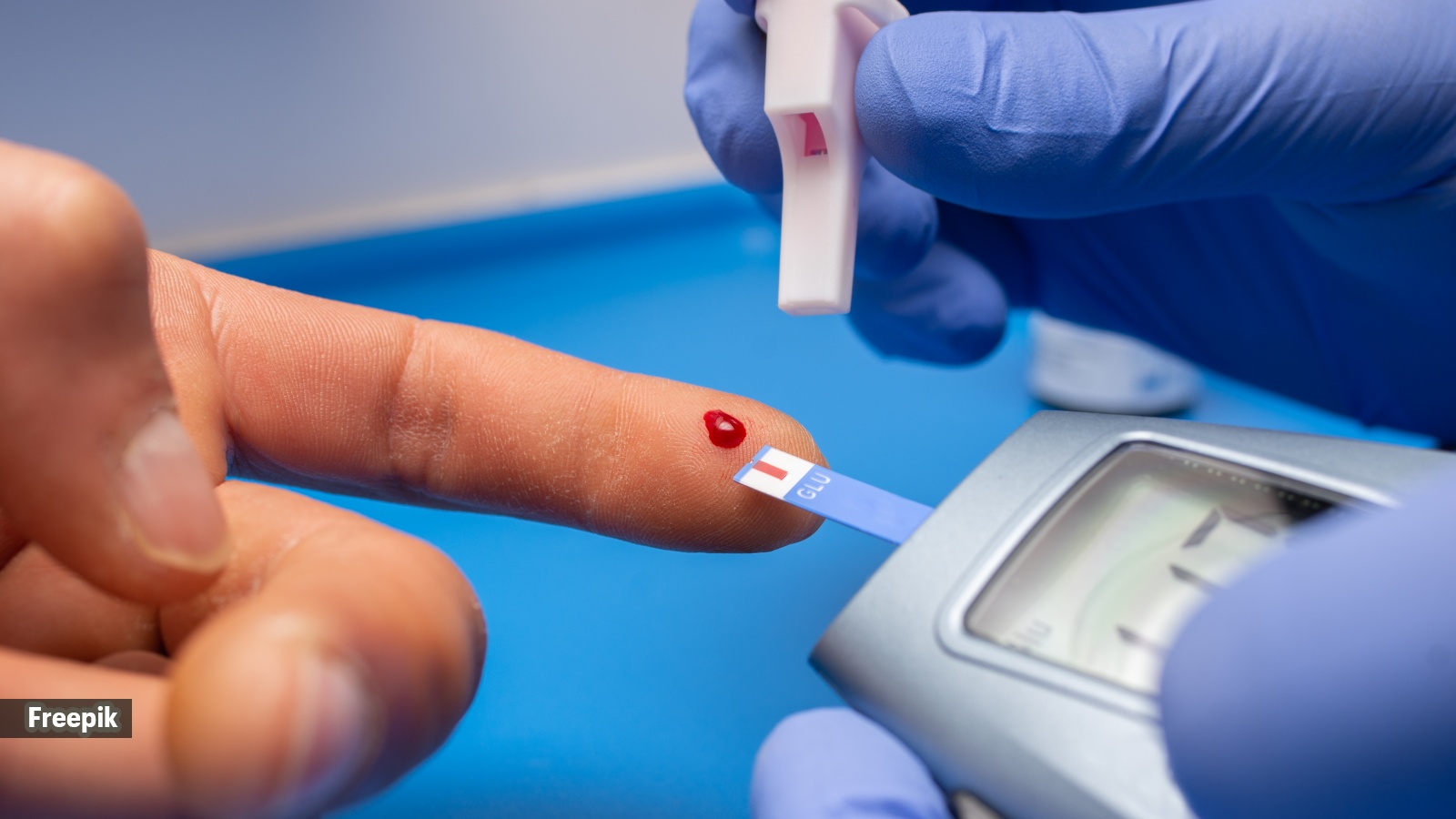 Regular screening and follow-up can help detect complications early
How do doctors diagnose it?
As Dr Ullal confirms, there is no single test that officially diagnoses “double diabetes”.
“Doctors look at the person’s type 1 diabetes history, insulin requirements, weight and waist measurements, blood pressure, and other metabolic markers,” Dr Ullal said.
Story continues below this ad
Blood tests such as glucose and lipid levels may also be assessed. “The overall clinical picture helps identify insulin resistance,” she further notes.
Does treatment change?
Insulin remains essential because the person has type 1 diabetes. Treatment may also include measures to improve insulin sensitivity.
“Doctors may also focus more strongly on weight management, physical activity, and improving insulin sensitivity.”
In some cases, doctors may consider additional medicines. “Treatment should always be individualised and supervised by a diabetes specialist,” she advises further.
Story continues below this ad
What can lower the risk?
Maintaining a healthy weight, staying physically active and following a balanced eating pattern can help reduce the risk. Regular monitoring of blood sugar, blood pressure and cholesterol is also important.
People with type 1 diabetes should discuss significant weight changes or rising insulin requirements with their doctor. “Insulin doses should not be reduced or stopped without medical advice,” the diabetologist strongly cautions.
What health problems should people watch for?
The combination of type 1 diabetes and insulin resistance can increase the overall risk of cardiovascular and metabolic complications. High blood pressure, abnormal cholesterol, excess weight, and fatty liver may also occur.
“ Good control of blood sugar and other risk factors is therefore important. Regular screening and follow-up can help detect complications early,” the diabetologist concludes.
Story continues below this ad
DISCLAIMER: This article is based on information from the public domain and/or the experts we spoke to. Always consult your health practitioner before starting any routine.
KioskNews shows a cleaned-up reading view extracted from the publisher’s page — the original always lives on their site, not ours.