In Islamabad, Indian official flags regional connectivity, transit & trade
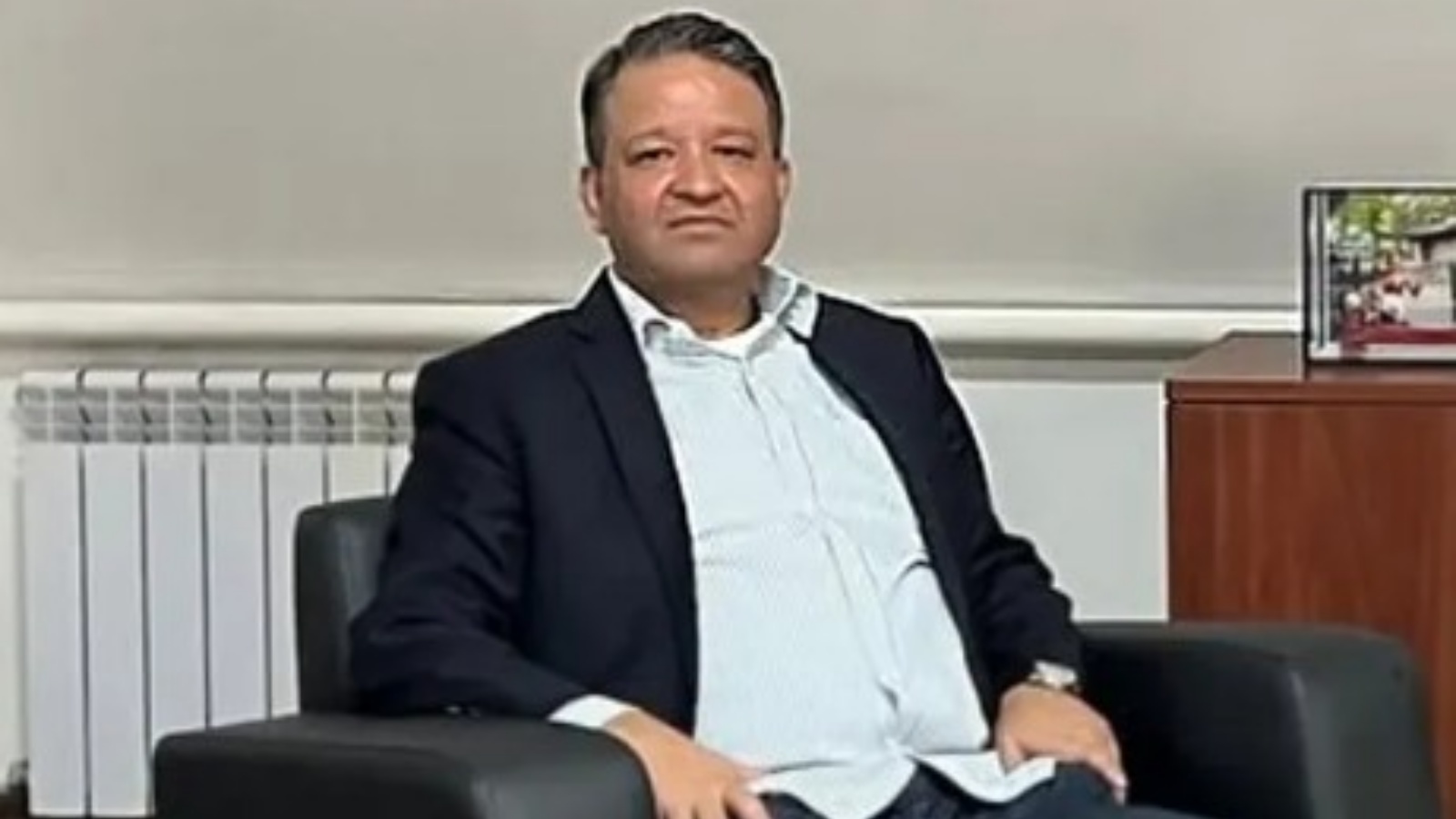
In the first visit by an Indian delegation to Pakistan since Operation Sindoor, a senior Indian official flagged the issues of “connectivity, regional connectivity, transit and trade” being discussed at the Shanghai Cooperation Organisation (SCO).
This is significant since Islamabad has blocked access to Afghanistan and Central Asia for India.
India’s national coordinator for the grouping Alok Dimri told Pakistan’s public broadcaster PTV that SCO has come to the neighbourhood after traversing East Asia and Central Asia — referring to the last two summits which took place in Bishkek (Kyrgyzstan) and Tianjin (China).
Dimri, a senior official with the rank of Additional Secretary in the Ministry of External Affairs, is leading the Indian delegation at the SCO national coordinators’ meeting in Islamabad — which is taking place this week.
He has served as India’s Ambassador to the Kyrgyz Republic and has also been posted in China.
He recalled that Prime Minister Narendra Modi had proposed a civilisational dialogue among SCO member countries, and it had been decided to be held in New Delhi on November 20.
Dimri, who spoke to PTV on the sidelines of the national coordinators’ meeting, said, “The SCO national coordinators’ meeting is taking place under Pakistan’s presidency, and this is an opportunity, after the September 1 SCO summit in Bishkek.”
Story continues below this ad
“This is SCO’s rotational presidency after Tianjin, Bishkek, and now Islamabad… from east Asia, to Central Asia, it has now come to our neighbourhood, our civilisation, Persian civilisation’s neighbourhood,” Dimri said, adding that it is an “important opportunity”.
“You may remember that PM Modi had given a call for a civilisational forum at SCO and SCO leaders had agreed in Bishkek that there should be a civilisational dialogue forum on November 20 in Delhi. This is a journey where Eurasian and Asian landmass member states have come together on the SCO platform,” he said.
“We have drawn up an agenda for well-being, prosperity and welfare. Connectivity, regional connectivity, transit, trade are important issues which we have discussed and we are moving forward on this,” he added.
“We will move forward and in a way, we have a specific regional flavour there.., north Asia, Central Asia, east Asia… that our languages, our voice, our thoughts can be expressed. Until now, SCO member states had conversations in Russian and Chinese, now it will start in English, under Pakistan’s presidency,” he said.
Story continues below this ad
English was adopted as the third official language in the Bishkek SCO summit in September, after Russian and Chinese.
Earlier, Pakistan’s Deputy Prime Minister and Foreign Minister Ishaq Dar reaffirmed his country’s commitment to an open, inclusive and constructive Shanghai Cooperation Organisation chairmanship, guided by the ‘Shanghai Spirit’ of mutual trust and mutual benefit.
The SCO member states include Russia, India, Iran, Kazakhstan, Kyrgyzstan, Pakistan, Tajikistan, Uzbekistan, Belarus and China.
Dar underlined the theme of Pakistan’s chairmanship: ‘Turning Vision into Action: Connectivity, Innovation, and Shared Prosperity’.
Story continues below this ad
The Indian delegation’s presence marks New Delhi’s participation in a SCO meeting in Pakistan after almost two years.
In October 2024, External Affairs Minister S Jaishankar went to Islamabad for the SCO Council of Heads of Government meeting.
During that visit, Jaishankar had met senior Pakistani leaders under the SCO format.
KioskNews shows a cleaned-up reading view extracted from the publisher’s page — the original always lives on their site, not ours.