I grew up in this Aussie region, but only just discovered how great it is
Nestled inside a shimmering abalone shell, the white tree fungus begins to smoulder and as we breathe in the smoke, Nathan Lygon welcomes us to Country.
We’re on the Sapphire Coast, on NSW’s south coast, the place in which I grew up and, perhaps arrogantly, thought I knew inside out.
Every summer I return to visit family here, slipping in to familiar places like pulling on a well-worn oyster glove. But, as I am realising, it’s important to see a place through different eyes.
The minute I meet Nathan from Yandama On Country, I discover things I wish I knew decades ago. My 15-year-old daughter and I are captivated by this emerging leader of the Yuin people and his deep relationship with nature.
“The Yuin nation, we identify with and connect to the black ducks,” he explains. “We abstain from hunting and eating that duck and we protect it. It’s a beautiful system that ensures different species have people to advocate for their protection.”
Sign up for the Traveller Deals newsletter
Get exclusive travel deals delivered straight to your inbox. Sign up now.
Meandering through bushland on the Pambula Beach Jiguma Track Experience, Nathan points out holes in the tea tree bark. Black cockatoos hear grubs inside and chew their way in. He pauses to pick a few apple berries for us to taste, and the tiny fruit are gummy and tart.
He explains the Yuin’s food gathering practices. “When the cuttlefish wash up on the beach, we know that snapper are around,” he says. “Tea trees flowering mean I can go swimming in Merimbula Lake to catch crabs.”
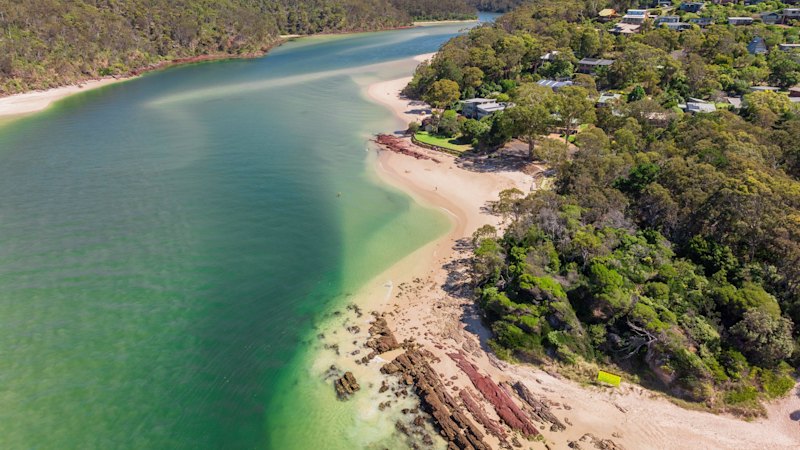
Reaching the white beach of the Pambula River mouth, Nathan shares the whale dreaming story, sketching giant images in the sand. It’s a moving finale to an eye-opening morning, leaving me keen to tap into more knowledge.
The whales, a recurring theme in this part of the world, frolic in their thousands every winter and spring. But previously, they had little to be happy about.
Beginning in the town of Eden in the 1820s, whaling was the first real industry for the Europeans here.
Whaling stories always include the Davidson family and its extraordinary partnership with a pod of wild killer whales. To sort out the facts from the folklore, I take my history-buff dad on a tour of Davidson Whaling Station in Beowa National Park, south of Eden.
Standing on the beach at pretty Kiah Inlet, we picture the scene where whale blubber was boiled for oil. “Whale oil was used for lighting, heating, perfume, paints, lubricants, even for margarine,” says guide Martin Parkinson of NSW National Parks and Wildlife Service.
“In the early 1830s, the major export in money value for Australia were products from whales. In those days, they would get up to 25 whales a day here.”
We tour the historic Davidson home where we meet volunteer Marty Davidson, the great-grandson of the final whaler.
Martin and Marty explain that as whale numbers declined, the Davidsons persisted with the assistance of killer whales, who acted like trained sheepdogs, rounding up the large baleen whales. The pay-off for the killer whales was the whale’s tongue.
So far, so good – this is well documented. But new to me is the Indigenous link. Martin says that long before Europeans arrived, killer whales were driving big whales to the shore where Thaua people could spear them. The killer whales were always given the tongue. It seems the Davidsons continued this tradition, being tutored by their Thaua workforce.
For my final tour, I take my two teenagers and their cousins on a Sunset and Stars Kayak Tour with Navigate Expeditions on forest-rimmed Wallagoot Lake.
We push off in single kayaks paddling past the currently closed mouth of the estuary. We startle a kangaroo and watch majestic swans take flight. Bellbirds ring through the late afternoon’s golden hour before chirping cicadas take over.
As the sunset fades, we pull up for a picnic supper of Tilba cheeses, locally roasted coffee and hot chocolate. Donning head torches, the kids spot brushtail possums, a wallaby and black cockatoos feeding their babies.
The paddle home is under a blanket of stars and an underwater torch illuminates the night creatures. Prawns, stingrays and crabs I’ve seen before, but the jellyfish? They’re a revelation, hundreds of bulbous bells, blobbing through the brine.
From these three tours the biggest discovery is this – that there’s still so much to learn.
THE DETAILS
FLY OR DRIVE
Qantas and Regional Express (Rex) fly daily from Sydney to Merimbula and Rex flies from Melbourne. Alternatively, the Sapphire Coast is a six-hour drive from Sydney, seven hours from Melbourne, or three hours from Canberra. See qantas.com; rex.com.au
TOUR
Yandama On Country Pambula Beach Jiguma Track Experience is a two-hour stroll; $137 for adults and $105 for children (free for children under six). The Historic Davidson Whaling Station Tour operates during school holidays or by request; $20 for adults, $14 for children. The Sunset and Stars Kayak Tour is a three-hour paddle; $170 for adults, $150 for children. See yandamaoncountry.com.au; nationalparks.nsw.gov.au; navigateexpeditions.com
The writer was a guest of Yandama On Country and Navigate Expeditions.
More:
KioskNews shows a cleaned-up reading view extracted from the publisher’s page — the original always lives on their site, not ours.