Experts say all high-risk groups vulnerable to haze, including those with medical conditions
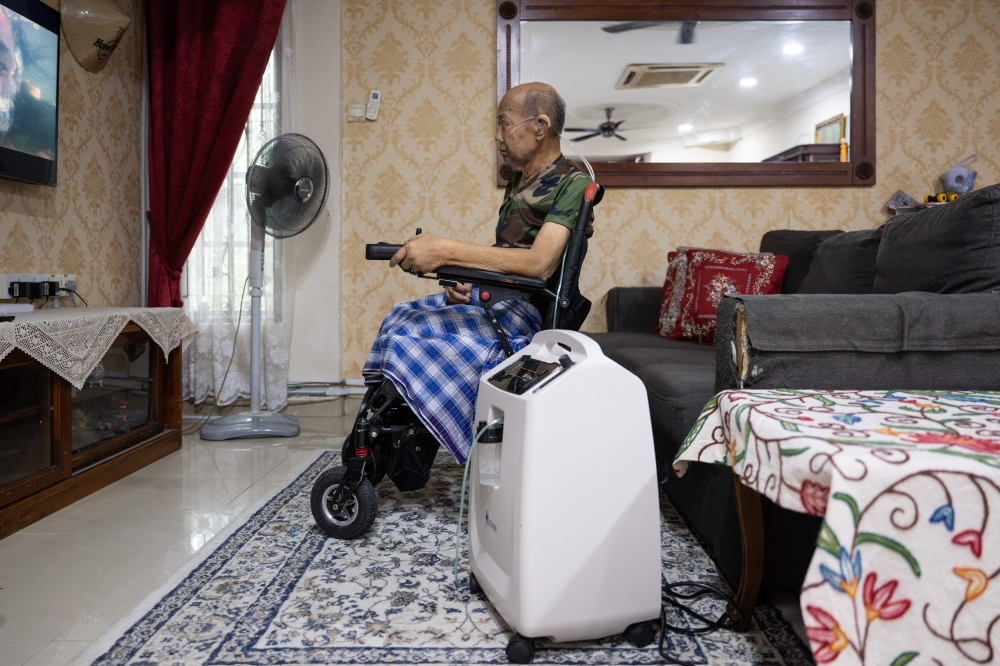

Md Noor Bin Bujang watches television while using an oxygen concentrator at his home in Rawang, Selangor, on October 16, 2026. While haze exposure poses health risks to the general population, high risk groups such as children, seniors and pregnant women are generally more likely to be vulnerable. — AFP pic
By Ben Tan
First Published: Saturday, 24 Oct 2026 7:00 AM MYT
KUALA LUMPUR, Oct 24 — While haze exposure poses health risks to the general population, high-risk groups such as children, older adults and pregnant women are more vulnerable to its effects.
However, medical and health experts say no single group among those considered high-risk is necessarily more vulnerable than others, with susceptibility depending on factors such as age, underlying medical conditions and the duration and intensity of exposure.
Those with chronic lung diseases and other medical conditions are also among those who need to take precautions against haze exposure.
How haze affects high-risk groups
Universiti Malaya Faculty of Medicine’s social and preventive medicine department public health medicine specialist Dr Bala Murali Sundram said there was no single group among those considered high-risk that was more vulnerable than others.
He told Malay Mail that young children with asthma, older adults with heart or lung diseases, and pregnant women with underlying medical conditions may be especially susceptible during haze episodes.
Dr Bala, who is also the department’s Occupational and Environmental Health senior medical lecturer, said the risks vary according to age, existing medical conditions, and the duration and intensity of exposure.
“Children, especially those below five years of age, are more susceptible because their lungs and immune systems are still developing. They also breathe more air relative to their body weight and may spend more time being physically active.
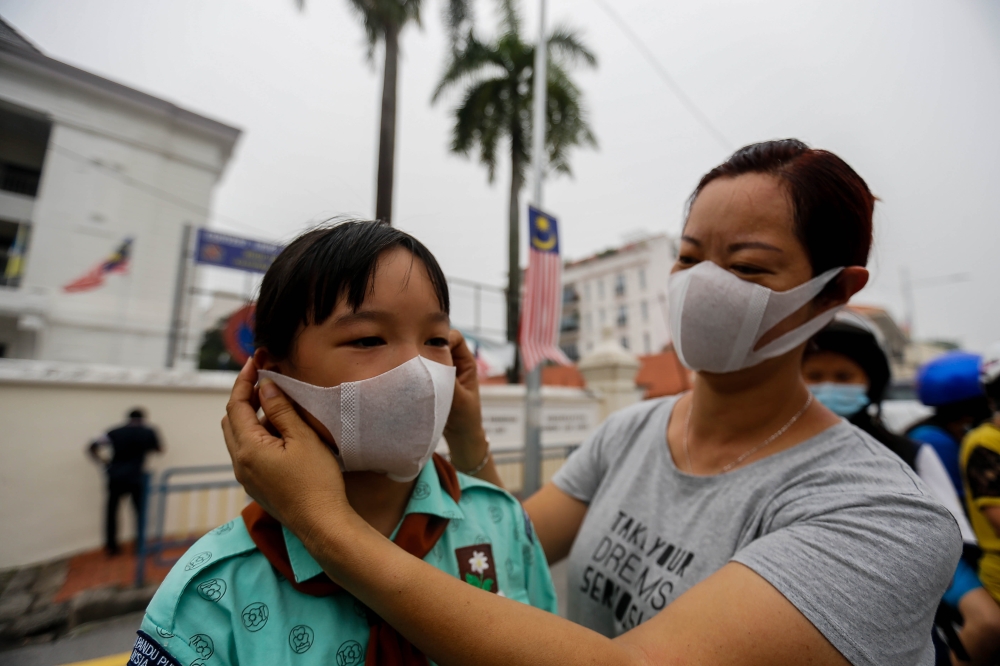
File picture of a mother helping her child put on a face mask. — Picture by Sayuti Zainudin
“Older adults, defined in Malaysia as individuals aged 60 years and above, face increased risks because of age-related physiological changes and the higher prevalence of chronic disease,” he said, adding that haze can aggravate asthma, respiratory and cardiovascular conditions, potentially increasing the risk of hospitalisation, heart attacks and even strokes.
Pregnant women are another high-risk group, with Dr Bala saying epidemiological evidence links exposure to air pollution during pregnancy to adverse birth outcomes.
He said these include preterm birth and low birth weight.
“However, the risk depends on the timing, intensity and duration of exposure, and a brief haze episode does not necessarily result in pregnancy complications,” he noted.
Respiratory conditions and other health risks
Pantai Hospital Batu Pahat consultant internal medicine specialist, gastroenterologist and hepatologist Dr Mohamed Amin Kader said there was usually no single test to confirm an illness caused by haze exposure.
He told Malay Mail that diagnosis was based on symptoms, exposure, the patient’s medical history, underlying health conditions and clinical findings.
General practitioner Dr Boo Cheng Hau said most haze-related cases, particularly among high-risk groups, involved respiratory problems.
The former Johor assemblyman said these included acute exacerbations of bronchial asthma among children and adults, as well as chronic obstructive pulmonary disease among older adults.
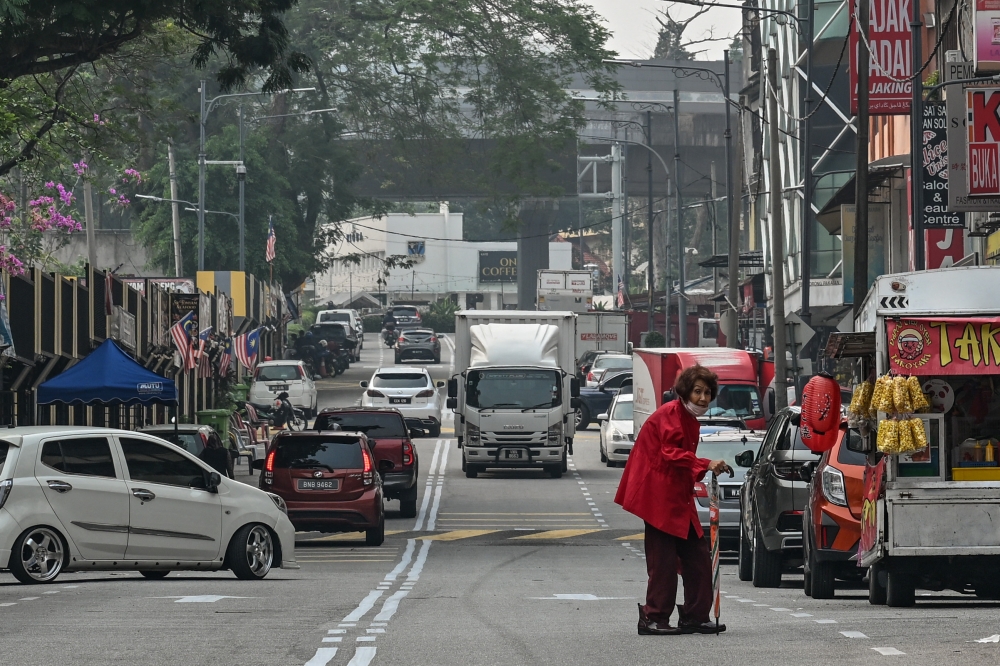
A woman wears a face mask as she walks along a street in Kuala Lumpur on October 19, 2026. — AFP pic
“In addition, there is the issue of related allergic reactions and nasal congestion due to allergic rhinitis,” he said when contacted by Malay Mail.
Dr Boo said children could face more serious long-term effects because they would be breathing toxic gases and polluted air over a much longer period if the haze problem persisted.
Medical specialist Dr Norafiza Mohd Yasin said children with bronchial asthma, chronic respiratory illnesses or primary immunodeficiency may face a higher risk of complications.
She told Malay Mail that those undergoing chemotherapy or recovering from it may also be more vulnerable if their immune systems were suppressed.
What in haze can affect your health?
Dr Norafiza highlighted the risks associated with exposure to fine particulate matter known as PM2.5.
“The PM2.5 particles can penetrate deep into the lungs and may enter the bloodstream, worsening respiratory and cardiovascular conditions,” she cautioned, adding that pregnant women should also take precautions, as exposure to PM2.5 has been associated with adverse pregnancy outcomes, including preterm birth and low birth weight.
Dr Mohamed Amin said PM2.5 particles could penetrate deep into the lungs and contribute to lung infections and pneumonia among high-risk groups.
He said children, particularly those below two years old, were more vulnerable.
“As their lung capacities are not fully developed yet, the haze can also aggravate asthma and trigger worsening respiratory symptoms,” he said.
The World Health Organisation defines PM2.5 as a mixture of solid and liquid particles, with major components including sulphates, nitrates, ammonia, sodium chloride, black carbon, mineral dust and water.
It also notes that PM2.5 can originate from direct emissions as well as chemical reactions between gases in the atmosphere.
Taking the right precautions
With air quality reaching unhealthy levels, health and medical experts advise the public to take steps to reduce their exposure to haze.
These include:
- Wearing an N95 respirator when going outdoors to reduce exposure.
- Staying indoors as much as possible, limiting unnecessary outdoor activities and prolonged exposure.
- Taking extra precautions to protect children, older adults, pregnant women and people with respiratory or heart conditions.
- Monitoring air quality in their respective areas.
KioskNews shows a cleaned-up reading view extracted from the publisher’s page — the original always lives on their site, not ours.