In the Pacific century, Chinatowns in the US deserve more than preservation
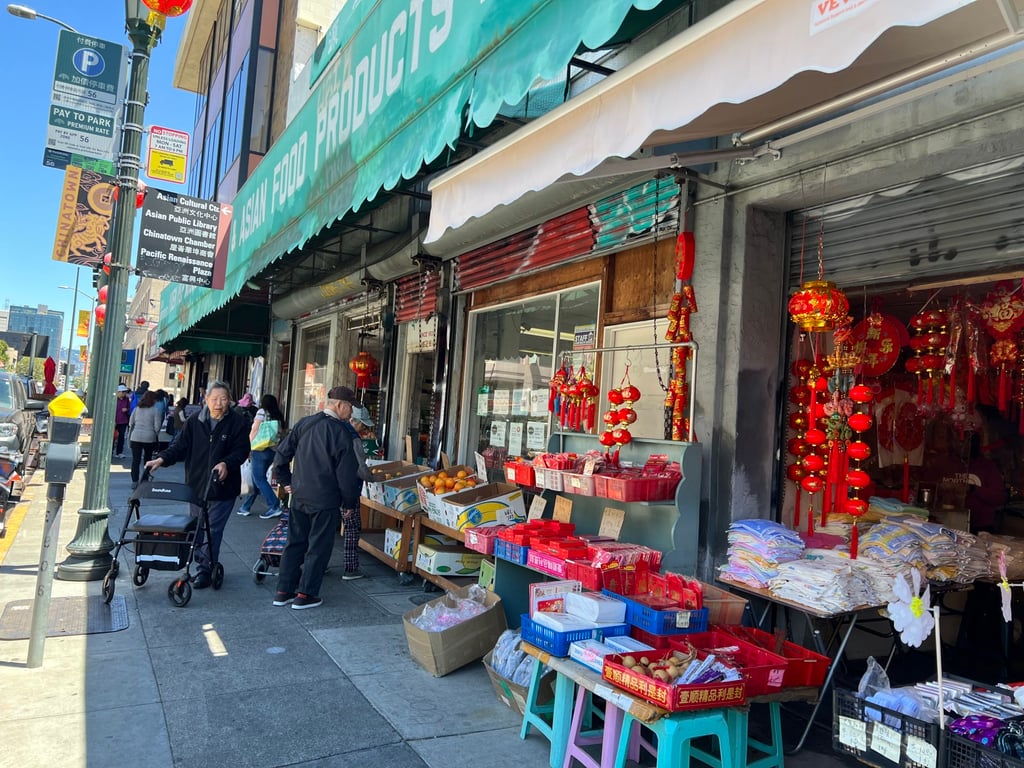
I was sitting in my car in Oakland’s Chinatown with Desta, my dog, while my wife visited her Chinese-American doctor. Across the street stood the Shoong Family Chinese Cultural Centre. On the pavements, older shoppers carrying bags of greens paused to greet acquaintances. People threaded between produce displays, fish counters and shopfronts crowded with everyday necessities.
There was a rhythm to the morning: deliveries, conversations, the exchange of money and news, the small acts of recognition that turn streets into a neighbourhood.
Chinatown was not a relic of the past; it was alive before my eyes. Yet I wondered what lay behind that vitality: who was struggling with rent, loneliness or the prospect of displacement? And what future should such a community have in a Pacific economy increasingly shaped by Asia?
For me, these are questions of urban planning, but also of justice. The liveliness of Chinatown cannot be measured by its buildings alone. It resides in the shopkeeper who knows a customer, the elder who can walk to familiar services, and the family passing along a language, a recipe or a business. Those relationships are as essential to a city as roads and rail lines.
Oakland Chinatown emerged amid hostility. Chinese migrants contributed to California’s railways, agriculture and commerce, yet encountered discrimination and restrictions on where they could live and work. The Chinese Exclusion Act of 1882 made exclusion federal policy. As the Oakland Chinatown Chamber of Commerce recounts, the community moved repeatedly before consolidating in its present downtown area. Chinatown was therefore both a refuge from exclusion and a testament to immigrant enterprise.
Families, associations, religious communities and merchants created forms of mutual support when public institutions often failed them. But we should not romanticise resilience. The ability to endure injustice does not excuse the injustice itself. Nor should we assume that family solidarity automatically eliminates poverty, isolation or conflict between generations.
Later, the language of progress brought another challenge. Freeways, redevelopment and rapid transit promised regional mobility and growth, but they also imposed local costs. A City of Oakland historical report records that land acquisition for the Bay Area Rapid Transit displaced about 75 Chinese households near Madison Square. For older residents with limited English, relocation meant more than losing an address: it meant possibly losing access to familiar shops, places of worship and companionship.
The community did not remain passive. Asian Health Services began in 1974 as a volunteer-staffed clinic in Chinatown. The East Bay Asian Local Development Corporation traces its origins to a 1975 effort to turn a warehouse into a resource centre for community organisations; its mission later expanded to affordable housing.
These institutions show that preserving a neighbourhood requires healthcare, housing and civic power, not just ornamental gateways and festivals.
The question now is whether a new economic geography can create opportunities that earlier generations were denied. The Port of Oakland reports that about 74 per cent of its trade in 2023 was with Asia. California also hosts universities, research centres and technology businesses with extensive Pacific connections. Yet geographic proximity to international commerce does not guarantee that a Chinatown shopkeeper, student or elderly tenant will share in its benefits.
I propose an Oakland-California Chinatown-Pacific partnership linking neighbourhood organisations with universities, chambers of commerce, trade agencies and the port. Its purpose would not be to turn Chinatown into a showroom for foreign investment. It would be to give local people practical access to opportunities: multilingual small-business advice, digital commerce training, internships, cultural and educational exchanges, and pathways into international trade.
Such a partnership should begin by listening. Which businesses are at risk? What do young residents want from the neighbourhood? What obstacles prevent immigrant entrepreneurs from accessing finance or new markets? How can older residents remain close to the services and social networks they depend on? Public agencies and private partners should publish measurable outcomes rather than celebrate announcements alone.
Safeguards matter as much as investment. Commercial rent pressures can displace long-established merchants; rising housing costs can push families away even when a neighbourhood’s cultural identity is praised. Affordable homes, protections for vulnerable tenants, support for locally owned businesses and meaningful resident participation must therefore be central to any plan.
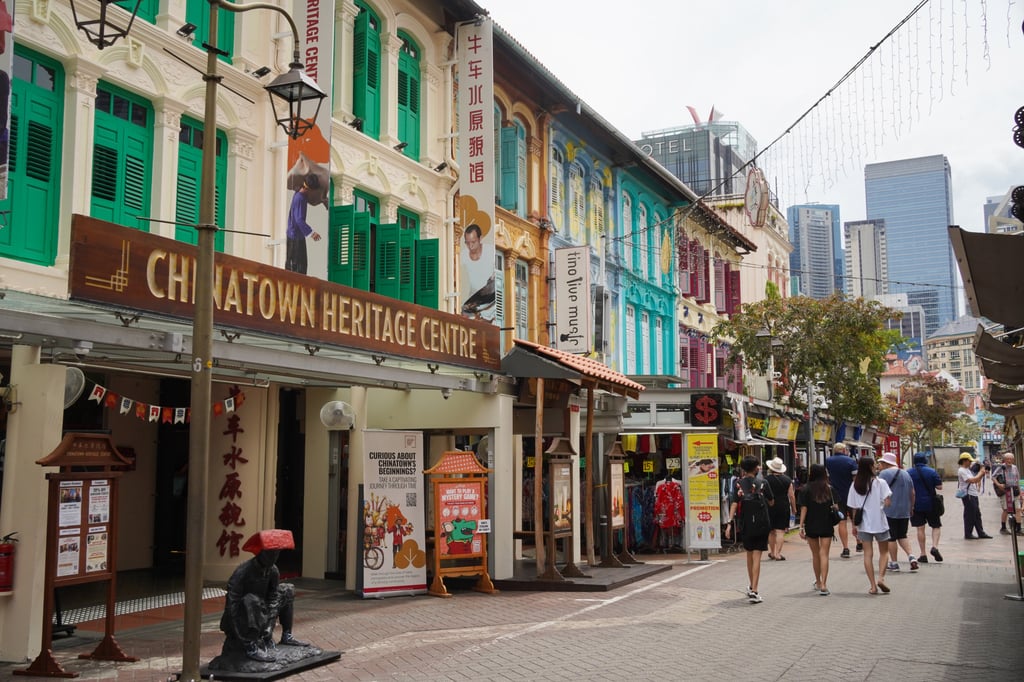
Singapore and Malaysia offer useful questions, not ready-made formulas. Heritage conservation can protect distinctive streetscapes and attract visitors, but a preserved building is not necessarily a thriving community. The measure of success is whether residents and small businesses can remain participants in the life they helped create.
This argument extends beyond Chinese-Americans. In cities from Oakland to Addis Ababa, planners and political leaders can mistake visible modernisation for social progress. Roads, towers and investment matter. But they cannot substitute for trust, belonging and a fair distribution of opportunity. Urban transformation becomes genuinely successful when those who have the least power are not asked to bear its greatest costs.
When my wife returned, Desta stirred beside me and the morning continued: shoppers comparing vegetables, neighbours exchanging greetings, merchants preparing for another day. I thought of the generations who had transformed exclusion into community. America’s Chinatowns deserve more than preservation as reminders of a difficult past. They deserve a future in which the same people who give these streets their energy can participate in the Pacific century – and still afford to call the neighbourhood home.
AI was used to explore ideas, discuss the arguments and assist with preliminary drafting of this article. The original observations, central arguments and professional perspectives are the author’s own.
KioskNews shows a cleaned-up reading view extracted from the publisher’s page — the original always lives on their site, not ours.