Shane was already ‘stretched to the limits’. Now he’s worried about affording his son’s birthday dinner
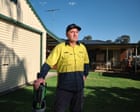
Shane McClymont heard the news about Tuesday’s rate hike through a text from his wife, asking if they would be able to afford their son’s birthday dinner this week.
“It’s always special. The kids get to choose their takeaway of choice for their birthday,” he says. “She’s wanting to know what we’re going to do for dinner. We don’t know if we can afford the takeaway or not, whether we’re going to have to cook.”
McClymont is among many Australians left reeling from the Reserve Bank of Australia’s decision to lift its key interest rate on Tuesday from 4.35% to 4.6%, its highest level since 2011 – and the fourth increase this year. For someone with an average-sized new mortgage of $731,000, paying a typical rate of 6.2%, the rise would add about $119 to their $4,477 monthly repayments.
For McClymont, the hike is “daunting” for his family, whose finances are already “stretched to the limits”.
The 50-year-old toolmaker bought his house in Sydney’s western suburb of Doonside two decades ago. He lives in the three-bedroom, one-bathroom home with his wife and their four children, aged between 11 and 21. They still have a loan balance of $345,900, with McClymont paying $625 a week in repayments, including an additional $100 to help pay down the loan faster.
“We’re going to have to cut back and it’s going to be really tight … We’ve already cut all the streaming services, food, petrol, and we don’t get to go away on family holidays or anything as much … if at all,” he says.
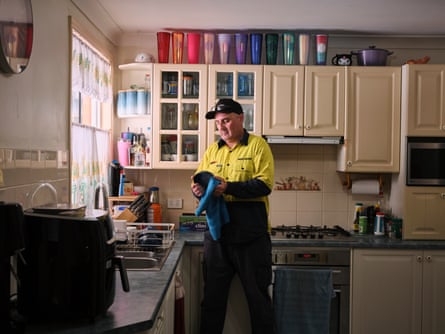
“We invested in a big freezer out the back, out in the garage. We have to shop the specials, so we’re going to go to the wholesalers for meat and shop the specials at Woolworths and Coles and things that can last,” he says.
McClymont says the family has also been forced to make other “really difficult” decisions – his wife, a stay-at-home mum, has had to go back into full-time employment.
He says he feels “robbed”.
“It’s just an endless cycle of the same thing. Every time you get a pay rise or something at work, it’s taken off you tenfold with the increases in the bills. Every time you try and get ahead, you just keep going backwards.”
Ann Mureithi, a mother of two in Melbourne’s south-eastern suburb of Pakenham, is also worried by the hike.
The 31-year-old freelance financial adviser moved to Australia from Kenya in 2018 as an international student. She later met her husband, bought a home in 2023 and had two children – milestones that made her feel she like she’d achieved the “Australian dream”.
after newsletter promotion
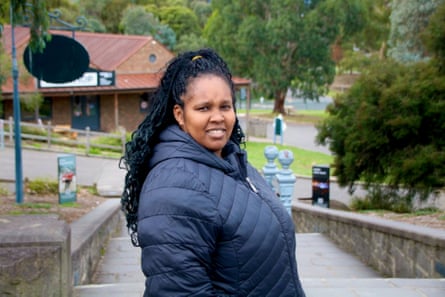
But the RBA’s latest rate hike has fuelled anxiety about how her family will manage rising mortgage repayments and living costs.
“When an increase happens, you’re thinking, ‘Where do I get that extra $200? Where do I get that extra $300?’ That is such a scare because it’s a lot of money. It’s not like you have an option where you can say, ‘oh, I’ll cut this out’,” she says.
The family pays more than 30% of their income towards the mortgage. Mureithi says the pressure has left her questioning whether she needs to work more, despite already struggling to find enough time while caring for two young children.
“The overwhelm of thinking, ‘Should I work more?’ I don’t even have enough time with young kids as well. You think, how do I even get that extra time to work, to get that extra pay?” she says.
There could be further blows in store for mortgage holders. Speaking after the announcement, the RBA governor, Michele Bullock, said the board would raise rates again “if that’s what’s needed to get inflation down” although she acknowledged the impact on households and businesses.
“Now, I know this decision is difficult for households with a mortgage and businesses with loans, but high inflation hurts all Australians, especially the most vulnerable,’” Bullock said. “Every household has seen how the price of everything has gone up in recent years. Pay packets don’t go as far as they used to and that’s why we need to stop this high inflation.”
But Mureithi says rising costs have left her feeling as though “there’s a threat waiting for me”.
“The anxiety, the small fear of: what if something happens? Then they get my house,” she says. “That is a scary part. That is where I don’t feel like I’m still living the Australian dream.”
KioskNews shows a cleaned-up reading view extracted from the publisher’s page — the original always lives on their site, not ours.