France spared Moody’s rating downgrade as it struggles with unrest
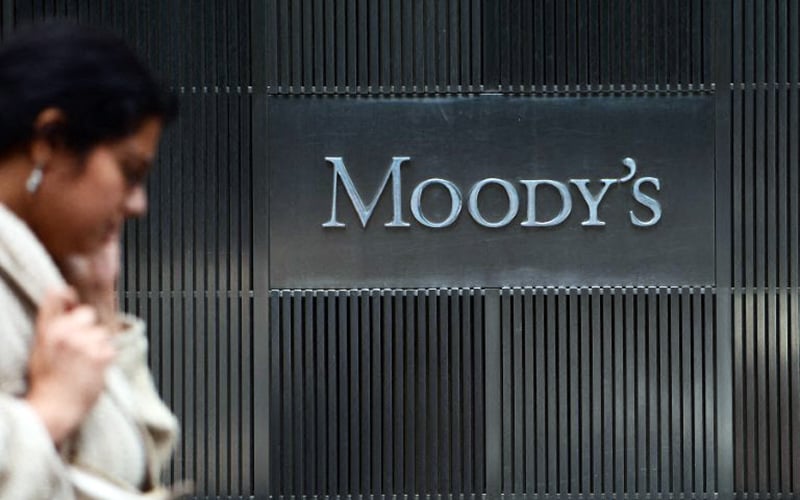

Moody’s spared France a credit rating downgrade on Friday, easing pressure on a government struggling to contain social unrest and shore up its strained finances.
Moody’s said it had concluded a periodic review of its rating, leaving it at Aa3, which has carried a negative outlook since last October.
Bond markets had been pricing in a downgrade, which would have brought Moody’s in line with Standard & Poor’s and Fitch, which moved earlier as France struggled to rein in its public finances after a 2024 snap election produced a hung parliament and political paralysis.
The French finance ministry said in a statement that the fact Moody’s kept its rating unchanged reflected the “credibility of the budget the government has put forward in the 2027 finance bill, which is designed to keep our public finances on the path to recovery.”
The government is struggling to pass the bill in parliament, where opposition parties could refuse to compromise, reject the legislation and topple the government in a no-confidence vote.
“The Aa3 rating assumes that a deficit-reducing budget for 2027 will be adopted, while financing costs and social tensions will abate somewhat in the next few months,” Moody’s said in a statement.
French borrowing costs already exceed those of lower-rated peers such as Italy, as investors fret over the budget deficit — one of the eurozone’s biggest — and a presidential election on April 18 and May 2 next year that polls suggest the far right could win.
TV images of weekend protests descending into riots and looting underscore the political difficulty of pushing budget cuts through.
That helped push the risk premium on French government debt over safe-haven German bonds to its highest in 15 years on Thursday, while France’s benchmark 10-year bond yield hit 5.14%, its highest level since July 2002.
Outlook in focus
Moody’s said earlier this month that the French government’s ability to overcome “fragmentation in parliament” would be the key factor for its next rating move.
That task looks harder after violent protests over underfunded schools escalated last weekend into riots during mass cost-of-living demonstrations. The government has refused to release more school funding or raise the minimum wage, and further protests are planned for Saturday.
In parliament, the lower house has scrapped some key savings measures in the 2027 budget, which targets a deficit of 5% of output versus 5.4% this year. Opposition parties show little appetite for compromise before the election, scrapping some proposed cuts while adding spending.
“You want to wait and see how the narrative evolves over the next six months into the election. That’s going to have a more meaningful impact on the spread,” said Rushabh Amin, a portfolio manager at Allspring Global Investments.
Pressure on French debt could grow after the presidential vote if Moody’s, S&P and Fitch all cut France to BBB — just above junk status — potentially forcing sales by those investors with rating limits, said Mike Bell, head of market strategy at RBC BlueBay Asset Management.
“That’s where it could really start to get more ugly,” he added.
Subscribe to our newsletter and get news delivered to your mailbox.
KioskNews shows a cleaned-up reading view extracted from the publisher’s page — the original always lives on their site, not ours.