This northeastern state is known as India’s ginger hub; here’s why
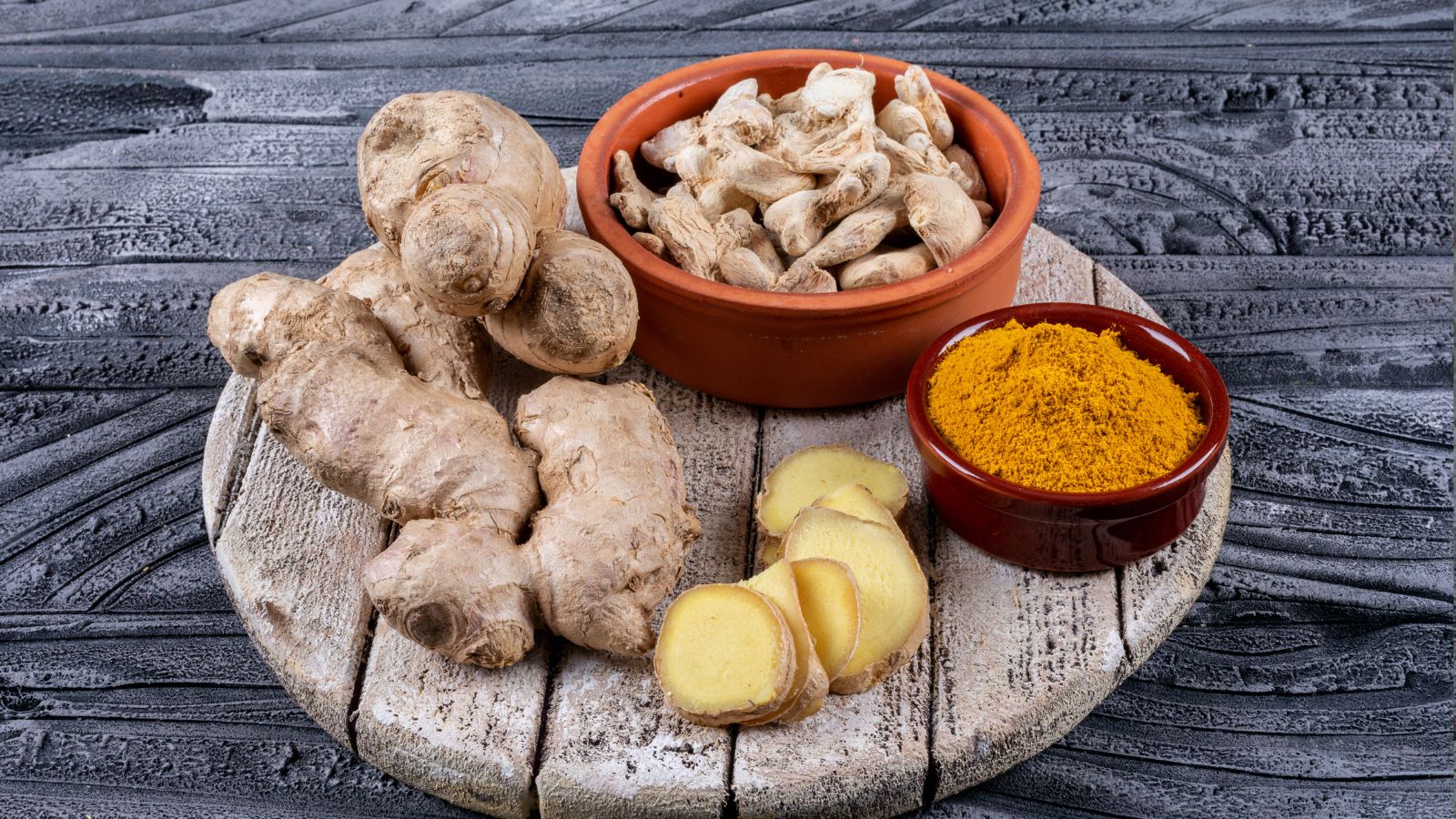
India is one of the world’s major ginger producers, with several states cultivating the aromatic rhizome for culinary and medicinal uses. However, one Indian state is known as the ‘Ginger Capital of India’. From favourable climate to extensive cultivation, discover what makes this region stand out in India’s ginger production landscape.
Mizoram is officially recognised as the Ginger Capital of India by NITI Aayog in 2025 owing to its high‑quality ginger production and strong agricultural output. Shilpa Agrawal, Vice President and Head of Operations, Ind Food and Beverage Association (IFBA) says, “It is a premium, GI-tagged ginger from Mizoram, distinguished by its high oleoresin content, strong pungency, low fibre, and suitability for pharmaceutical, food-processing, and export markets.”
DISCLAIMER: This article is based on information from the public domain and/or the experts we spoke to.
What is special about Mizoram ginger?
Mizo ginger, cultivated in Mizoram, is distinguished by its large rhizomes, light-yellow flesh, characteristic aroma, mild pungency, and relatively low fibre content.
“The GI application documents locally cultivated varieties, including Thingpui and Thinglaidum, with a crude fibre content of 5.74%, gingerol content of approximately 1.25%, volatile oil content of 1.80%, and dry matter content of 22.47%. In May 2026, the Ministry of Development of North Eastern Region reported an oleoresin content of 6–8%, compared with a stated global average of about 3%. Oleoresin contains gingerols and other flavour-related constituents that contribute to ginger’s characteristic pungency and aroma,” Agrawal says.
These attributes are associated with Mizoram’s agro-climatic conditions and traditional cultivation practices.
“ICAR (Indian Council of Agricultural Research) identifies ginger as a significant cash crop grown in the state’s subtropical hill zone, characterised by acidic soils and annual rainfall of approximately 2,000–3,200 mm. Local cultivars, including Thingpui, Thinglaidum and Thingaria, are recognised for their distinctive flavour profiles,” she adds.
Story continues below this ad
The Geographical Indication (GI) tag, registered on 14 September 2021, recognises Mizo Ginger’s geographical identity and distinctive characteristics. It helps protect authenticity, strengthen product differentiation, and create opportunities for farmers to access premium markets.
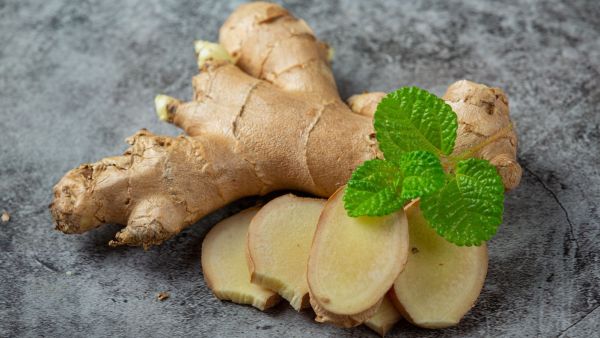 Mizo Ginger received a Geographical Indication (GI) tag in 2021, recognising its regional identity. (Image Source: Freepik)
Significance of Mizo ginger
Mizo ginger’s significance extends beyond production volumes.
“Its distinctive characteristics, GI recognition, and potential for value addition offer opportunities to strengthen regional agricultural livelihoods, develop differentiated products, and expand domestic and export markets. Strategic investment in quality assurance, processing, branding, and market linkages can help translate its geographical identity into sustainable economic benefits for Mizoram’s ginger farmers,” Agrawal says.
DISCLAIMER: This article is based on information from the public domain and/or the experts we spoke to.
KioskNews shows a cleaned-up reading view extracted from the publisher’s page — the original always lives on their site, not ours.