Explained: How Iran allegedly used Elon Musk’s Starlink against US forces, and why it raises questions?
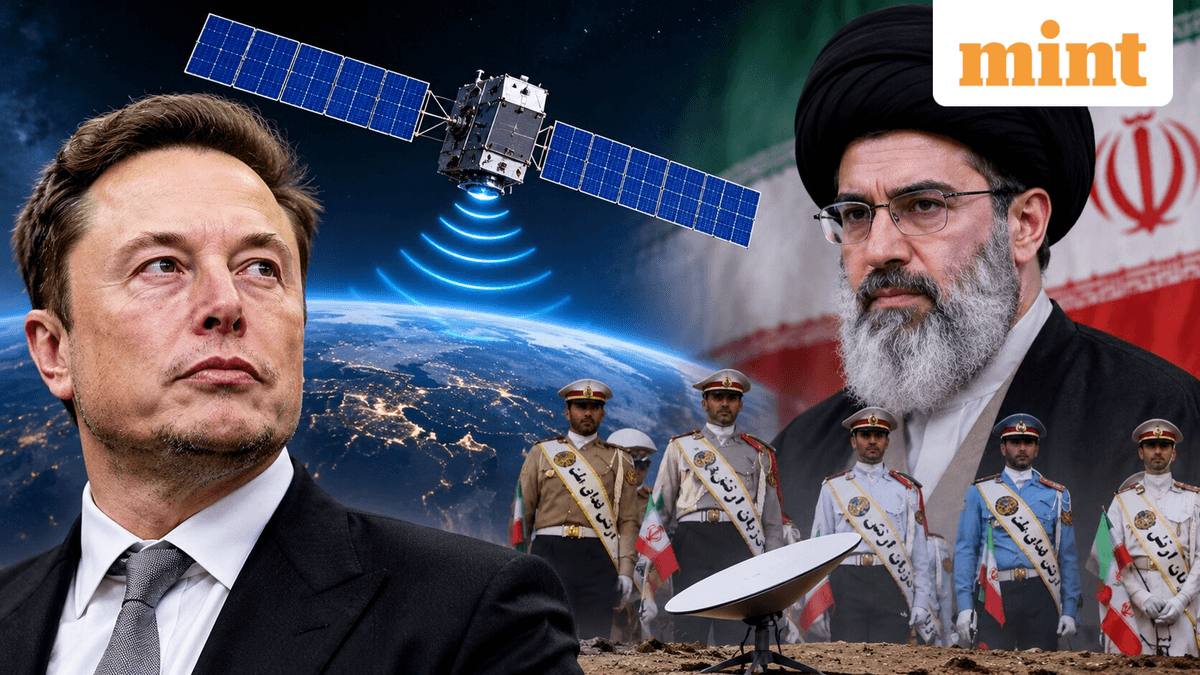
Iran allegedly used Elon Musk-owned SpaceX’s Starlink network in operations targeting US forces, raising concerns over satellite internet's role in modern warfare.
Iran allegedly used SpaceX’s Starlink satellite internet network in operations targeting US forces after the United States and Israel launched military strikes against Tehran, raising fresh concerns over the use and control of satellite-based communication technology in modern warfare.
A Washington Post report on Saturday, citing people familiar with internal discussions at SpaceX, said the company had identified two unauthorised uses of Starlink that its team believed were connected to Iran’s efforts against US forces.
The revelations have reportedly angered SpaceX chief executive Elon Musk, who was briefed about the incidents, according to the newspaper.
The report also highlighted questions surrounding the use of SpaceX's military-grade satellite communication system by the US military itself.
Musk was reportedly informed that the US military had deployed one-way drones using Starshield, a militarised version of Starlink, but had subscribed to a cheaper service plan designed for ground operations, one source told the Washington Post.
A classified report detailing the Iranian military's alleged use of Starlink was also submitted to US Defence Secretary Pete Hegseth, the newspaper reported.
However, the US Department of Defense told Reuters that it was "not aware of the report to the [office of the defense secretary] pertaining to this subject".
What is Starlink, and how does it work?
Starlink is a satellite-based internet service operated by SpaceX, the aerospace company founded by Elon Musk. Unlike conventional internet services that depend heavily on ground-based infrastructure, Starlink uses thousands of satellites in low Earth orbit to provide internet connectivity to users through specialised terminals.
The network can provide internet access in remote areas and locations where conventional communication infrastructure is unavailable, damaged or restricted.
Its ability to operate without relying on conventional terrestrial networks has also made it strategically important during military conflicts and humanitarian emergencies.
However, the same capabilities have raised concerns about its potential use by military forces, including those operating in countries where the service is not officially authorised.
Why is Starlink's alleged use by Iran significant?
Starlink is not licensed to operate in Iran, but Musk has previously acknowledged that the service is active in the country.
Iranian authorities have repeatedly restricted public internet access during periods of political unrest. During nationwide protests in January, the government imposed internet restrictions following deadly demonstrations.
The Wall Street Journal reported that the US government subsequently smuggled thousands of Starlink terminals into Iran to help people bypass restrictions on internet access.
Since the United States and Israel began their military campaign against Iran towards the end of February, Tehran has maintained tight controls over internet connectivity.
Why has Starlink faced scrutiny in other conflicts?
The controversy is not limited to Iran. Starlink's role in the Russia-Ukraine war has also brought the satellite network under scrutiny.
Ukraine has relied on Starlink for communications during the war, including in areas where conventional infrastructure has been damaged. However, concerns have also emerged over Russia's attempts to access the network for military purposes.
According to the Washington Post, Musk earlier this year took action after Ukraine requested that SpaceX prevent Russian forces from using Starlink to operate attack drones.
SpaceX has since increased restrictions to prevent unauthorised access to its network, including tighter oversight of resellers and their customers.
Unlike traditional military communication infrastructure, Starlink is controlled by a private company whose decisions can influence connectivity in active conflict zones.
KioskNews shows a cleaned-up reading view extracted from the publisher’s page — the original always lives on their site, not ours.