Thailand’s deepening labour shortage roils harvest as unpicked fruits rot
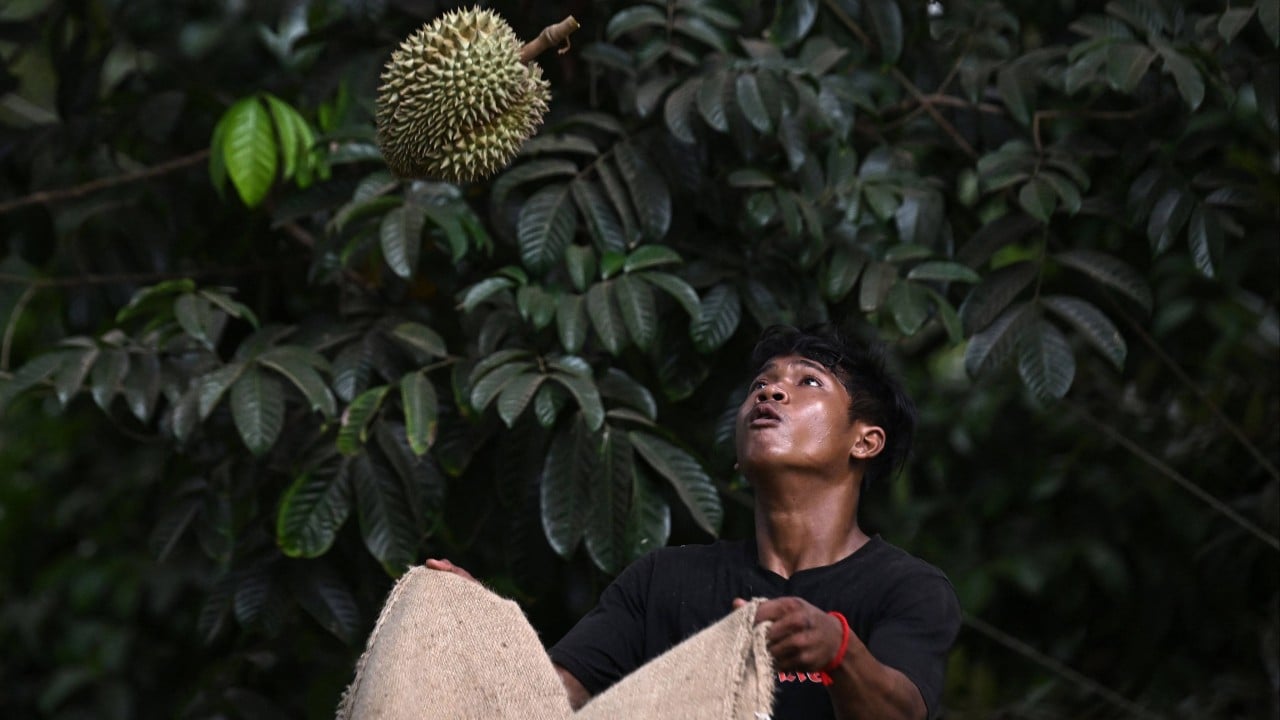
Ripe mangosteen and rambutan hang unpicked from trees in eastern Thailand, where a shortage of migrant workers is forcing growers to decide which crops are valuable enough to harvest and which will be left to rot.
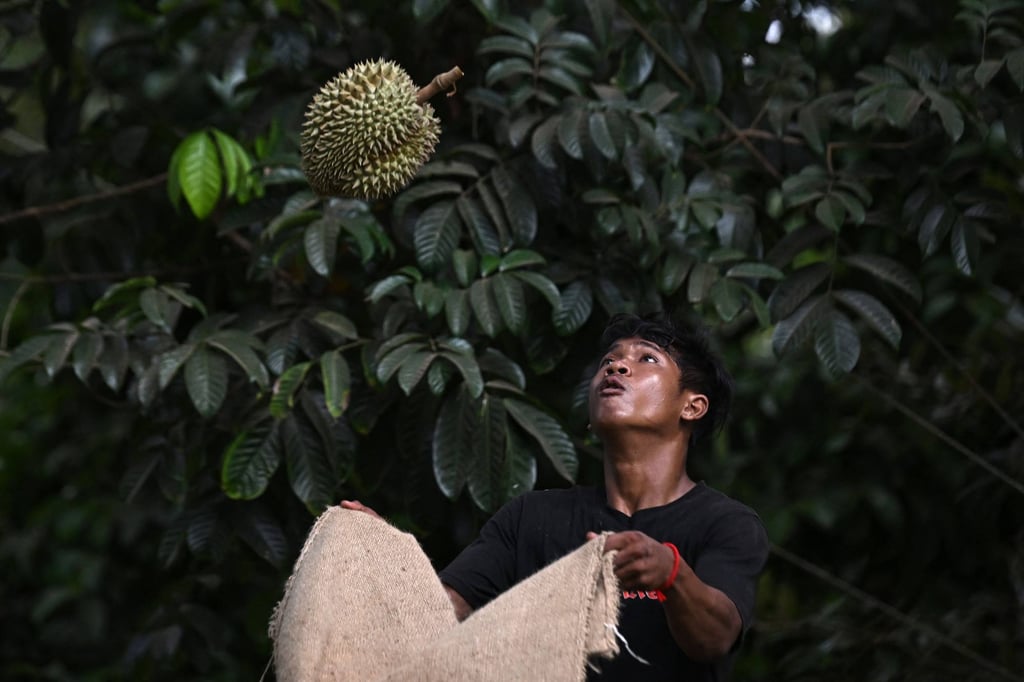
For Jomsak Putirattana, who also grows durian in Chanthaburi province, the departure of his five Cambodian workers after a border dispute disrupted crossings has intensified competition for labour.
Daily wages have more than doubled in some cases, from about 350 baht to 400 baht (US$10 to US$12) to as much as 800 baht to 1,000 baht, he said, making some lower-value crops too costly to harvest.
“We have to choose which fruit to harvest and leave the lower-priced fruit to rot on the trees,” Jomsak said. His hope of keeping more of the crop from going to waste “is dimming every day”, he added.
The dearth of workers highlights Thailand’s growing dependence on migrant labour as an ageing population shrinks its domestic workforce. Migrants account for roughly a 10th of the nation’s labour force.
Workers from neighbouring Myanmar, Cambodia and Laos have long filled jobs on farms, construction sites and factory floors that employers struggle to recruit Thais to do. Increasingly, they are also behind shop counters, serving tables at restaurants and bars, and filling other service jobs across Bangkok and major cities.
04:02
Malaysia pushes to lure Chinese durian fans away from Thai fruit supply
Geopolitical pressures are reducing the nation’s migrant pool. The country’s border dispute with Cambodia prompted many Cambodians to leave Thailand, while political turmoil and recruitment restrictions in Myanmar are making hiring more migrant workers a slower and more difficult process.
Recruitment in Myanmar now takes six to eight months, according to Myat Thu, managing director of recruitment agency Kaung Myat San Thu. Complaints over wages, subcontracting and worker protections have also made some Thai construction jobs less attractive to workers in Myanmar.
So Thailand is looking further afield with plans to recruit workers from Sri Lanka, Nepal and Bangladesh for the first time, according to Labour Minister Julapun Amornvivat. The shift could put Thailand in greater competition for migrant labour with Singapore and Malaysia, which already draw workers from South Asia.
“We need to build resilience and flexibility, rather than depend too heavily on any one source,” Julapun said in an interview.
The first Sri Lankan workers are expected to arrive in January, primarily for construction projects. Thailand has discussed an initial pilot of about 10,000 workers, while labour agreements with Nepal and Bangladesh are expected next year.
The search for new workers is particularly urgent for Thailand’s construction industry, where migrants account for 60 to 70 per cent of a workforce of about 4.2 million to 4.5 million people, according to Liza Ngamtrakulpanit, president of the Thai Contractors Association.
Employers warn that shortages could delay major infrastructure projects and private construction while squeezing contractors’ cash flow as developments are held up.
The government is also preparing a broader registration programme to more quickly renew migrant worker permits and bring undocumented migrants already in Thailand into the legal workforce, potentially covering millions of people, the labour minister said.
For Jomsak, longer-term reforms may come too late for the next harvest. Eastern Thailand produces fruit valued at about 200 billion baht annually by his estimate, with the primary season compressed into four or five months beginning in late April.
While some businesses are moving workers from other parts of Thailand to fill the gaps, Jomsak sees that as a temporary relief.
“What we’re doing is giving a painkiller to treat the wound,” he said. “The problem is still there.”
KioskNews shows a cleaned-up reading view extracted from the publisher’s page — the original always lives on their site, not ours.