Blind chimp in Louisiana regains sight after cataract surgery
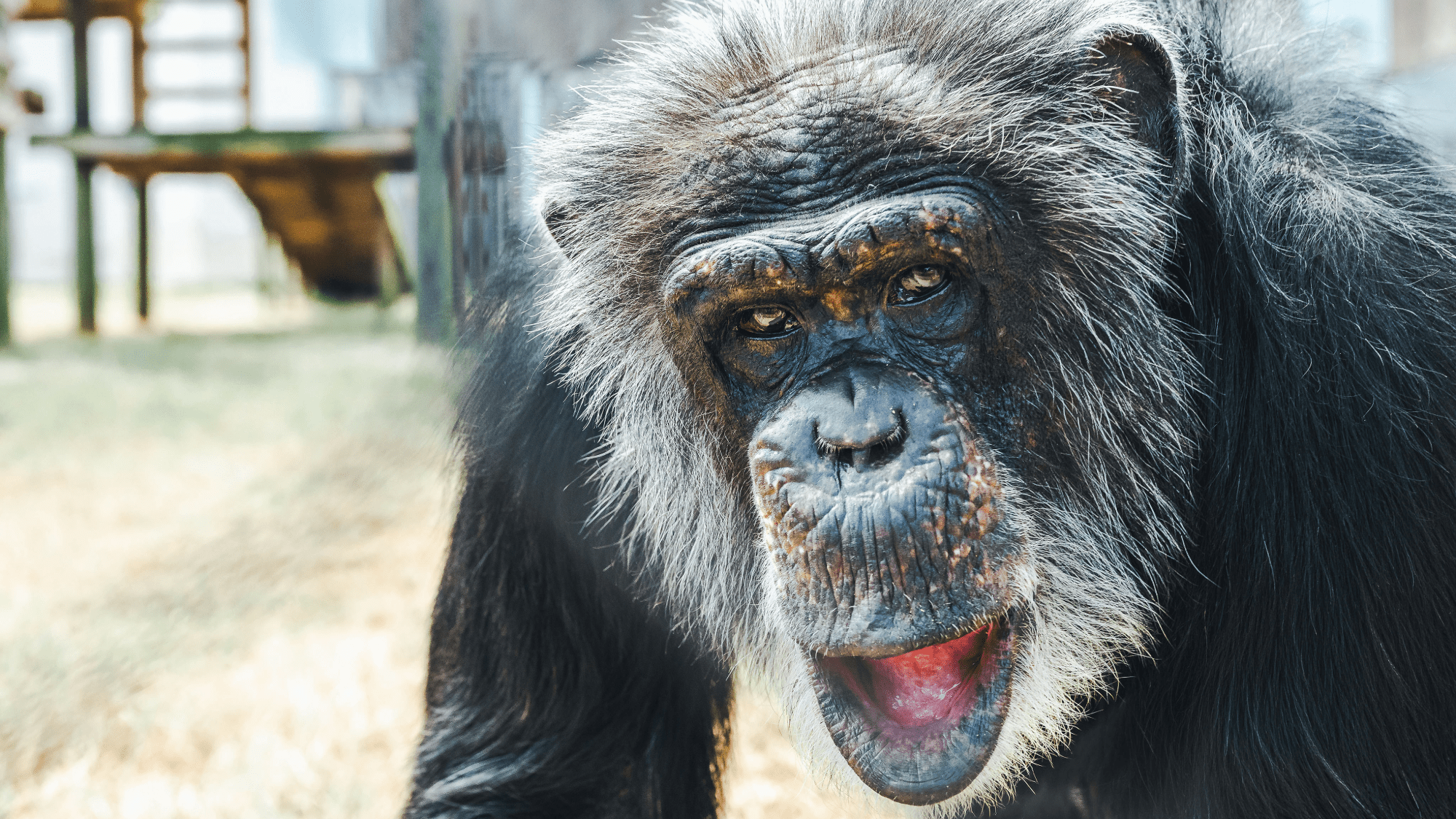
Fifty-four-year-old Pierre was completely blind before undergoing a cataract surgery that restored his sight. With this surgery comes a greater ability to move around his surroundings, participate in fun activities, climb more confidently, and control his dynamics with other chimps (Pan troglodytes). Oh forgot to mention, Pierre is a chimpanzee. He’s a resident at Chimp Haven, a chimpanzee sanctuary in Louisiana (and the largest in the world) where most of the chimps have retired from biomedical research.
In humans, cataract surgery is a very common procedure that replaces the eye’s cloudy lens with an artificial one. However, in other animals, it’s not so simple. Pierre required months of preparation, not for the surgery itself, but for his recovery and possible post-operative needs. Before the surgery, Pierre’s team trained him to present his eyes for care, including positioning for the administration of eye drops and close eye monitoring if necessary, according to a statement sent to Popular Science.
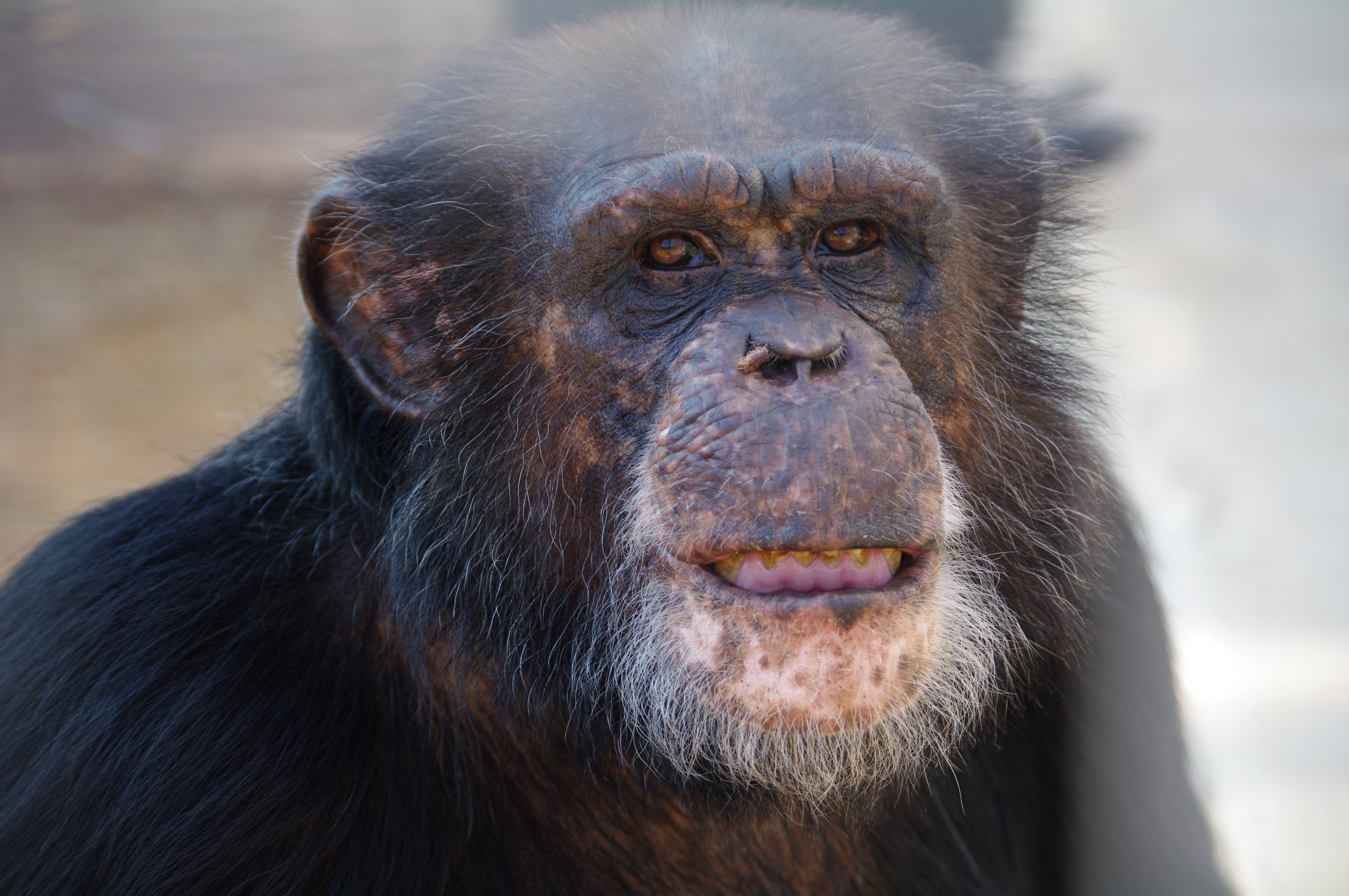
“Pierre has always excelled at positive reinforcement training, so he was already familiar with his trainers and many physical cues,” Chimp Haven veterinarian DaShaunté Coleman tells Popular Science. “As Chimp Haven explored the possibility for cataract surgery, his longtime trainer, Mary Reininger, worked with Pierre using audio cues, a soft bamboo stick for physical guidance, and plenty of his favorite treats to learn to present his eyes for post-surgery care. Throughout their training sessions, Pierre learned to hold his face against the safety mesh of his enclosure and hold it there with his eyes open for Mary to administer eyedrops. This training was an important step in getting Pierre approved for surgery.”
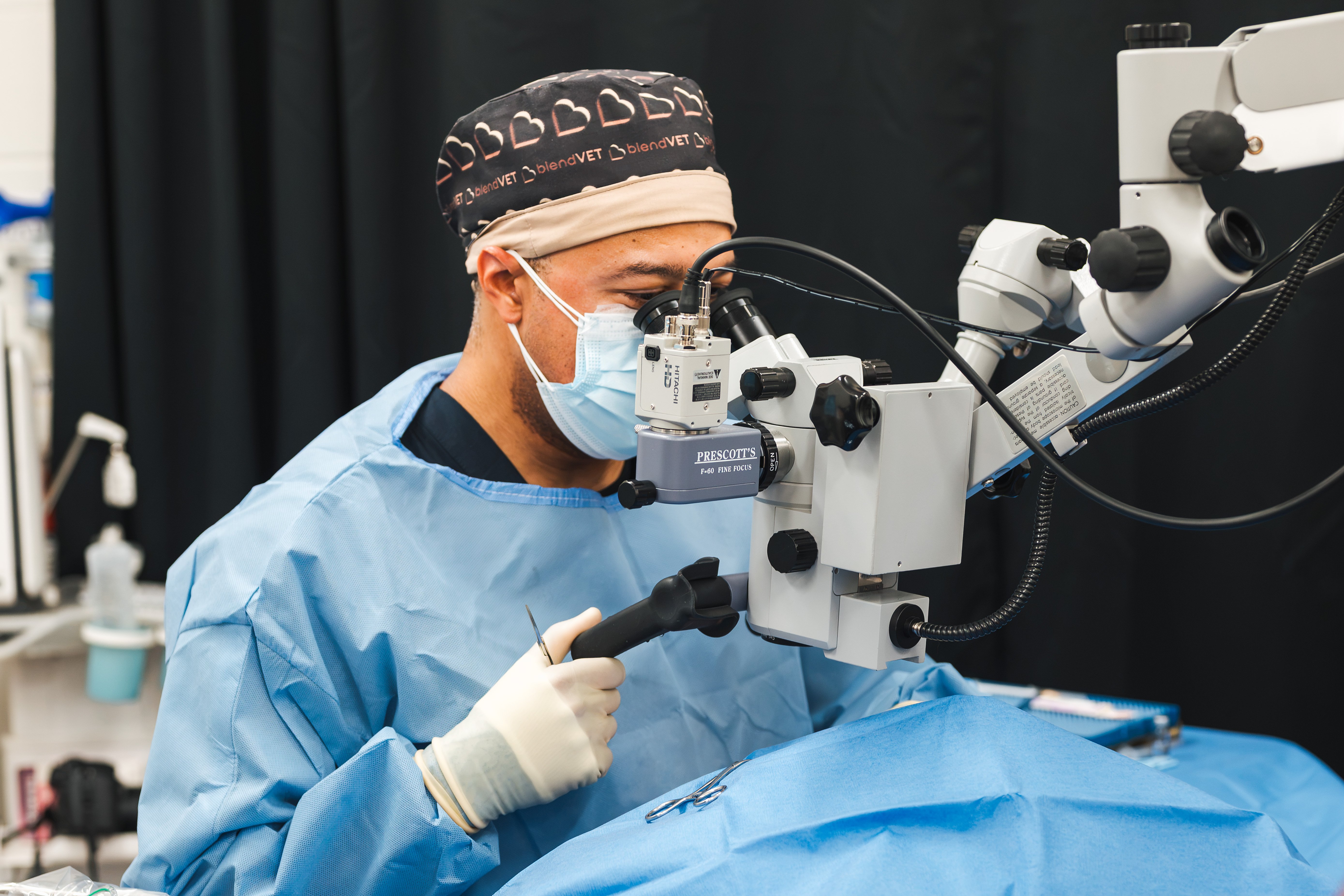
Board-certified veterinary ophthalmologist Dr. Kenneth Pierce then operated on Pierre. The approximately hour-long surgery was successful and gave the chimpanzee functional sight. Within just hours after the surgery, he was responding visually and watching one of his favorite movies. Within days he reunited with Jill, one of his chimpanzee besties, and ultimately rejoined his social group earlier than his team had expected.
Reininger has known and cared for Pierre for over 25 years, and she was one of the first people Pierre saw with his newfound vision.
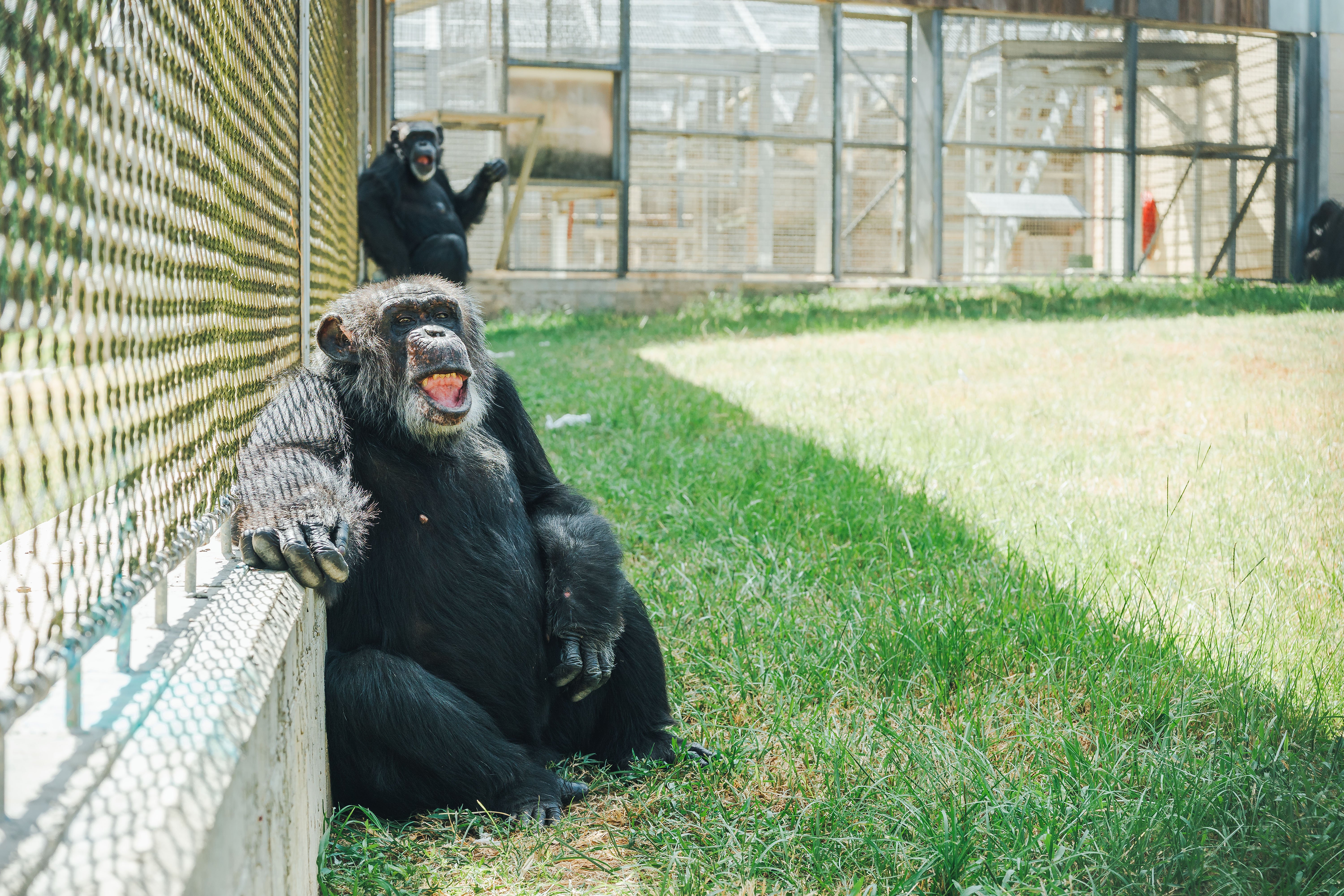
“Watching Pierre look at me again was something I will never forget,” Reininger said.. “We know these chimpanzees incredibly well, and every part of Pierre’s care has been about helping him continue doing the things that matter to him. Seeing him recognize familiar faces, enjoy his favorite activities and get back to his group made all of that preparation worth it.”
In the wild, a blind chimpanzee is unlikely to live for long. The primates need their sight to forage, navigate terrain, stay away from predators, and remain connected within their social group, Coleman explains. Restoring eyesight through surgeries like these are necessary so that animals living in sanctuaries like Chimp Haven can continue to lead better lives.
KioskNews shows a cleaned-up reading view extracted from the publisher’s page — the original always lives on their site, not ours.