Low pay, fatigue and staff shortages put Hong Kong’s aviation hub status at risk: unions
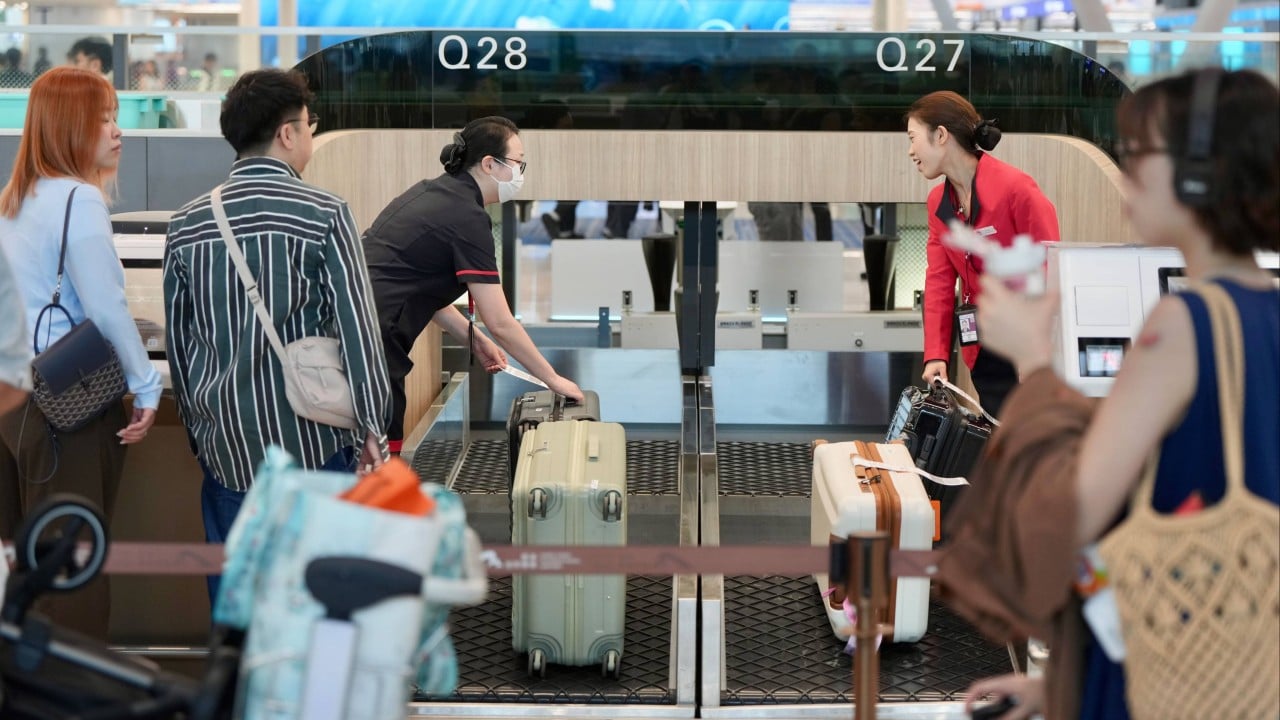
Unsatisfactory employment conditions in Hong Kong’s aviation industry are threatening the sector’s ability to attract and retain talent, potentially undermining the city’s competitive edge as a global aviation hub, unions and a lawmaker have warned.
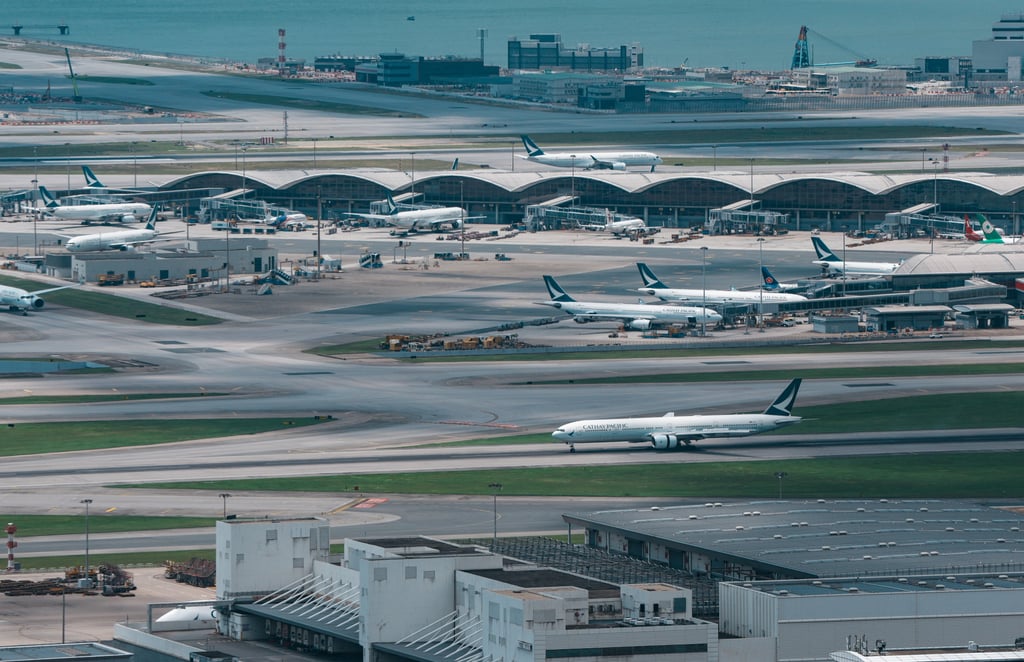
Hong Kong International Airport retained its title as the world’s busiest cargo airport in 2025, the 15th time it has taken the top spot.
With the full operation of the three-runway system and Terminal 2, the city aims to strengthen its position as an international aviation hub, a goal set out in the Hong Kong government’s first five-year plan.
But the Staffs and Workers Union of Hong Kong Civil Airlines said low pay, irregular shifts, long commuting times and physically demanding working conditions, including exposure to extreme heat, had made frontline aviation jobs increasingly unattractive to local workers.
This was undermining the industry’s ability to recruit and retain experienced staff, it said.
“Hong Kong airport’s greatest competitive advantage over other global aviation hubs lies not in its infrastructure, but in its operational agility,” union chairman Wilson Yap Yee-liek said.
The experience and skills of frontline workers were what enabled the airport to maintain a high level of operational efficiency, he said.
According to Yap, the industry is facing a shortage of experienced, long-term personnel as veteran workers retire, staff who left during the pandemic remain reluctant to return and unsatisfactory employment conditions make it difficult to attract and retain new recruits.
“We are facing a crisis of succession in industry experience,” he said. “The situation will definitely affect Hong Kong’s goal of developing its aviation industry.”
The union said warehouse workers earned less than HK$10,000 (US$1,275) in basic monthly salary before July 2023.
Since then, the government has introduced the Labour Importation Scheme for the aviation sector, allowing employers to import up to 6,300 workers across 10 designated frontline occupations to address manpower shortages.
To protect local workers from wage competition, the government also set median-wage benchmarks for these occupations, which employers must meet when recruiting locally and importing workers. For warehouse operators, the benchmark was set at HK$14,300 in 2023 and raised to HK$14,800 in November 2025.
But the union said the mechanism covered only designated occupations and their entry-level pay, leaving other positions, including supervisory roles, without similar safeguards.
Citing complaints from workers, the union said some employees had seen their pay fall after promotion. A supervisor’s basic monthly salary could be just over HK$16,000, with total earnings, including allowances, still lower than those of a frontline customer service agent. The mandated median monthly salary for customer service agents is currently HK$18,900.
The union warned that the disparity had discouraged workers from seeking promotion, risking a shortage of experienced supervisors and affecting the safety and efficiency of airport operations.
In reply to the South China Morning Post, a spokesman for the Airport Authority said it had been closely monitoring the staffing situation and would continue to engage with employers, industry partners and trade unions on manpower needs at the airport, labour-related matters and the implementation of the importation scheme.
The Hong Kong Aircrew Officers Association, which represents pilots at the city’s flag carrier, Cathay Pacific, also said unsatisfactory employment conditions and inadequate statutory protections for pilots could undermine Hong Kong’s ability to attract and retain aviation talent.
“We have a lot of safety-related issues that we need to address,” said Justin Murray, the association’s general secretary, citing pilot fatigue and the airline’s safety reporting system as areas of concern.
He said the association wanted to ensure pilots had a stronger collective voice in raising operational issues with management, and called for closer collaboration among pilots, airline management and the aviation regulator.
The association urged Cathay Pacific to restore two regular meetings with airline management: the “Flight Ops-AOA meetings”, which reviewed operational safety issues; and the “Joint Rostering Committee” meetings, which discussed pilot scheduling.
Murray said Cathay’s pilot representative body had not been formally involved in these discussions since 2021.
The association also proposed creating a tripartite dialogue involving pilot representatives, the airline and the Civil Aviation Department to strengthen aviation safety.
“Safety is a system, and it is a circle,” Murray said, stressing that pilots’ operational insights were an important part of the process.
Responding to a media inquiry, Cathay Pacific said it continued to engage directly with its staff and listen to their views.
“Our pilots have a number of avenues to engage with our management teams and we consider their feedback carefully. We remain committed to constructive dialogue and value the feedback they provide,” the airline said.
Labour sector lawmaker Bill Tang Ka-piu said he remained confident in Hong Kong’s role as an aviation hub, but added the sentiment among frontline personnel painted a different picture.
“Employees’ own assessments of their benefits, career progression and even foundational principles such as safety are largely negative,” Tang said.
Tang urged the industry to improve employment conditions and called on major employers to respect labour unions and restore or build communicative relationships with staff.
He said Hong Kong’s aviation industry was a massive talent reservoir that should provide high-quality jobs, adding that stakeholders must ensure it delivered on that promise.
KioskNews shows a cleaned-up reading view extracted from the publisher’s page — the original always lives on their site, not ours.